Say goodbye to chapped lips: Your ultimate winter lip care guide
Updated On: 18 November, 2024 03:26 PM IST | Mumbai | Maitrai Agarwal
As temperatures plummet and the air becomes dry, our lips are often the first to feel the effects but with the right care, you can keep your pout soft, and supple all winter long. Beauty experts delve into reasons and provide practical solutions to avoid chapped, cracked, and uncomfortable lips



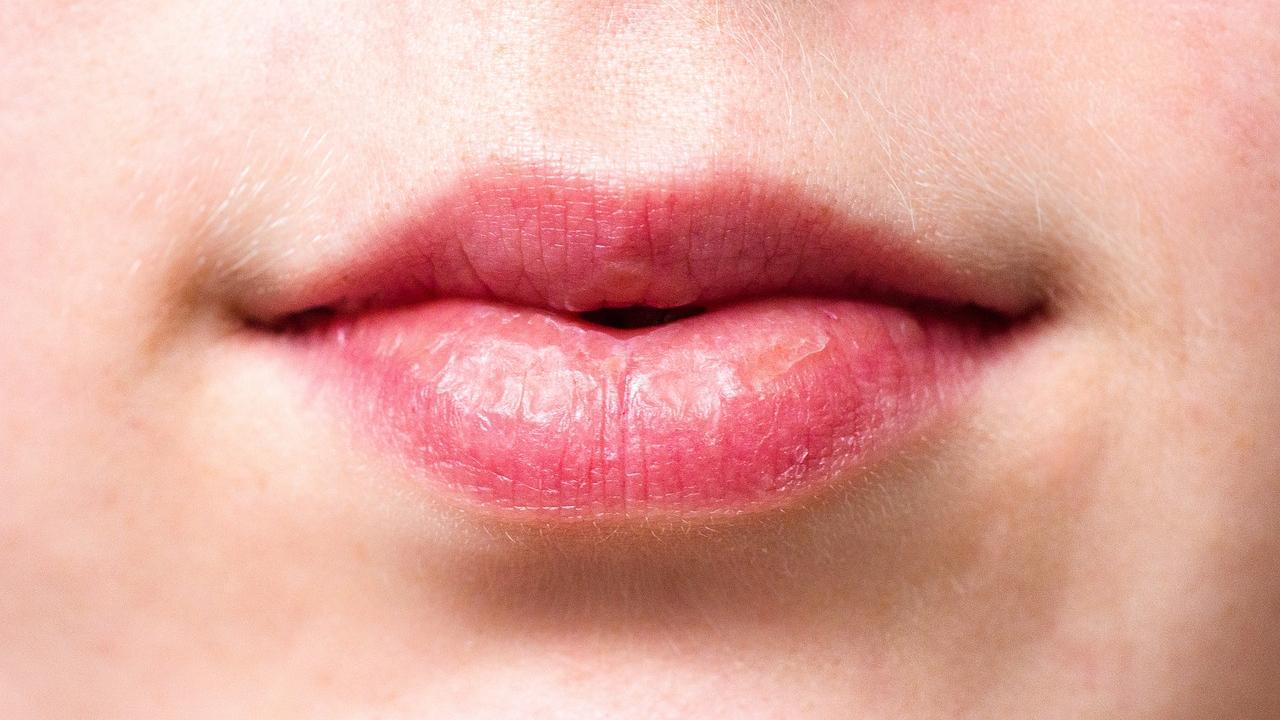
Image for representational purpose only. Photo Courtesy: istock
Winter is almost here, and so is the cold breeze that may leave your skin and lips feeling parched. Much like skincare, holistic lip care is also a combination of good habits, and choosing the right products. If you find yourself grappling with dry and chapped lips every winter, and overwhelmed with the amount of random information on the internet, fret not! We’ve posed the most pressing questions about winter lip care to experienced dermatologists, Dr. Varsha Reddy, at Zennara Clinics, and Dr. Manisha P. Kothari, at Kosmoderma skin, hair and body clinics (Mumbai). The experts will delve into the root causes of chapped lips, share healthy habits for year-round hydrated lips, and provide practical tips on selecting the right lip balm to help you bid farewell to your winter woes.
Common causes of chapped lips
During winter, the cold and dry air strips away moisture from the delicate skin of our lips. This may lead to a common yet painful issue: chapped lips. “The skin at the lips is thin and lacks oil glands, making it vulnerable,” says Kothari. Below, she lists common causes of chapped lips:
Cold and dry weather
Winter air lacks humidity, pulling moisture from the skin and causing lips to become dry and cracked.
Sun exposure
UV rays can damage the lips in winter, causing dryness and even increasing the risk of sunburn.
Smoking
Smoking regularly may lead to chapped lips.
Licking the lips
While it may seem like a quick fix, licking lips worsens dryness, saliva evaporates quickly, leaving lips even drier.
Dehydration
Not drinking enough water during the colder months can leave skin and lips parched.
Diet
Eating a lot of salty or spicy foods may lead to chapped lips.
Medications
Taking certain medications such as antibiotics, diuretics, statins, retinoids, or lithium may lead to chapped lips.
Vitamin deficiency
Deficiency of vitamins and nutrients, like vitamin B and iron could lead to chapped lips.
Use a hydrating lip balm
Choose lip balms that are free from drying ingredients like alcohol, camphor, methanol, fragrance, etc. Instead, look for those containing hydrating ingredients such as shea butter, ceramides, glycerine or hyaluronic acid. These ingredients help lock in moisture and form a protective barrier on the lips.
Stay hydrated
Internal hydration is just as crucial as external hydration. Drinking plenty of water throughout the day keeps the skin and lips moisturised from within.
Use a humidifier
Indoor heating can make the air very dry, so using a humidifier in your home or workspace can help maintain moisture levels and keep your skin and lips from drying out.
Look for lip balms with SPF
The skin on the lips is thinner and lacks melanin, the pigment present in the skin, making it more susceptible to damage and sunburn. Therefore, incorporating SPF lip balms with SPF 15 is helpful for short sun exposure. For longer outdoor activities or sports, it's advised to use SPF 30. For intense or long sun exposure, use SPF 50, which offers the strongest protection.
Exfoliate regularly
Just as you exfoliate your face, use a specialised lip scrub 2 to 3 times a week to remove dead skin buildup.
Use lip masks
Applying a lip mask, three times a week can improve the appearance of lips, providing nourishment and hydration.
Trending Stories
Latest Photos
Latest Videos
Latest Web Stories
ADVERTISEMENT
Mid-Day Fast
ADVERTISEMENT

ADVERTISEMENT