Home / Lifestyle / Health & Fitness / Article /
Australia leads first trial of gene editing therapy to halve bad cholesterol
The trial tested CTX310, a one-time CRISPR-Cas9 gene-editing therapy that uses fat-based particles to carry CRISPR editing tools into the liver, switching off the ANGPTL3 gene



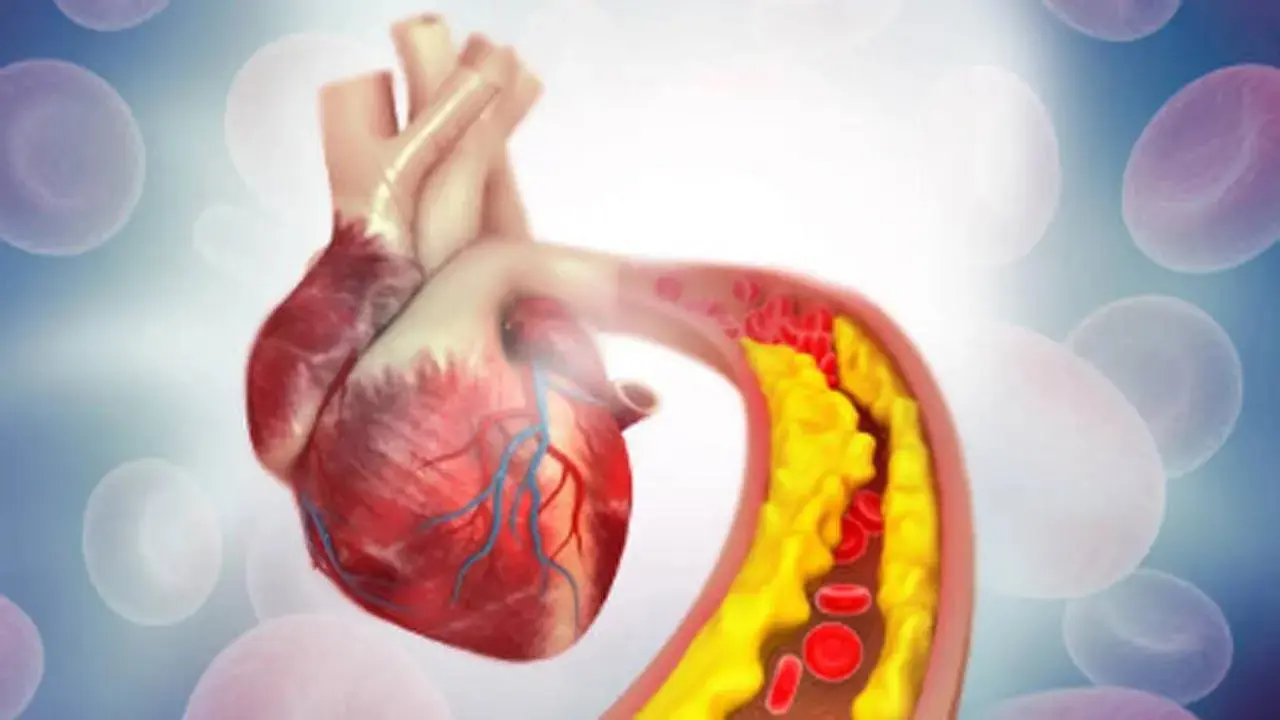
Image for representational purpose only. Photo Courtesy: File pic
Researchers in Australia have led a first-in-human trial for a breakthrough gene-editing therapy that halves bad cholesterol and triglycerides in people with difficult-to-treat lipid disorders.
The trial tested CTX310, a one-time CRISPR-Cas9 gene-editing therapy that uses fat-based particles to carry CRISPR editing tools into the liver, switching off the ANGPTL3 gene. Turning off this gene lowers LDL (bad) cholesterol and triglycerides, two blood fats linked to heart disease, according to a statement released Monday by Australia's Monash University.
Trending Stories
Latest Photos
Latest Videos
Latest Web Stories
ADVERTISEMENT
Mid-Day Fast
ADVERTISEMENT

ADVERTISEMENT