Home / Lifestyle / Health & Fitness / Photos /
IN PHOTOS: With the rainy season here, watch out for these common monsoon diseases
Updated On: 12 June, 2025 11:46 AM IST | Raaina Jain
While the monsoon season brings respite from heat, it also comes with several challenges, especially for health. During this time of the year, the risk of some infections increases, hence it becomes important to not only take efforts to boost general immunity but also watch out for specific diseases




1/6
2/6
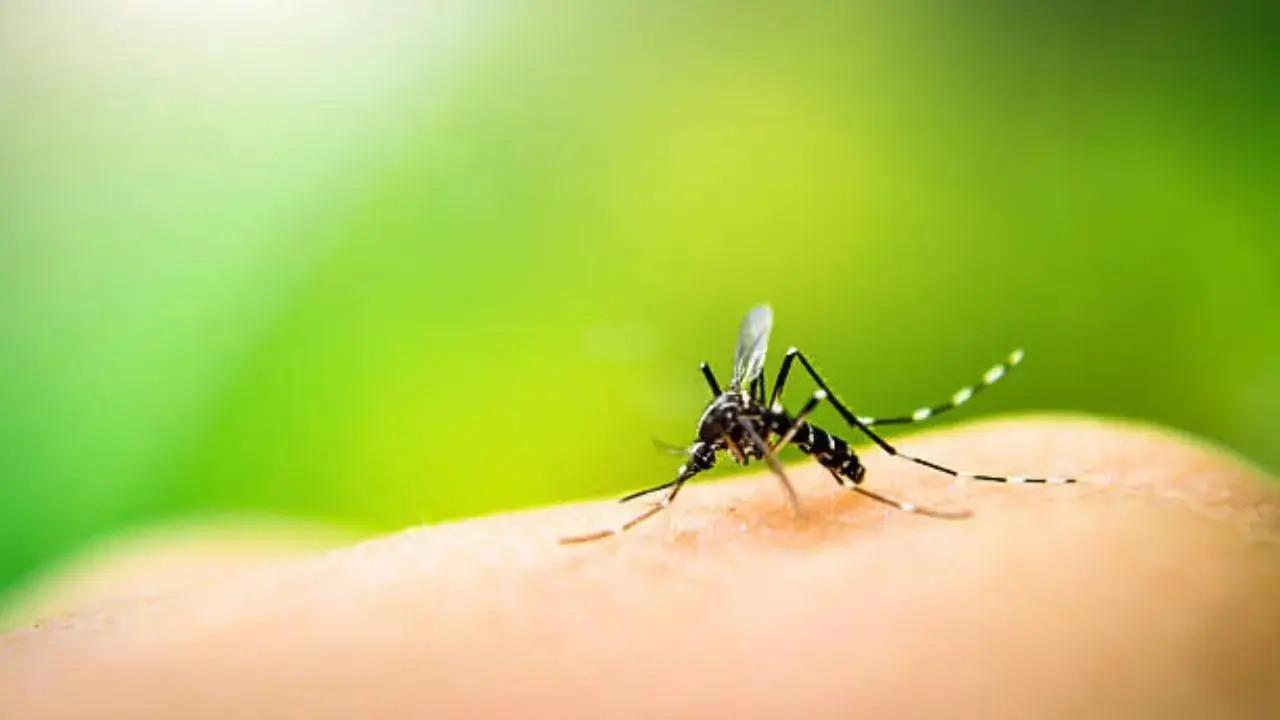
Dengue
Dengue infection, which is transmitted to humans through the bite of infected Aedes mosquito, peaks during the monsoon season due to various factors, including stagnant water acting as breeding ground for mosquitoes. According to the World Health Organization (WHO), some people don’t show any signs and recover in 1-2 weeks while others may experience symptoms like high fever, headache, pain behind the eyes, muscle and joint pains, nausea, among others.
ADVERTISEMENT

3/6
Malaria
Malaria is also a mosquito-borne disease. It usually spreads to humans through the bite of female Anopheles mosquito and the risk of infection increases during the monsoon season. According to WHO, primary symptoms include fever, headache and chill. Some severe symptoms are extreme tiredness and fatigue, impaired consciousness, difficulty breathing, etc.
4/6
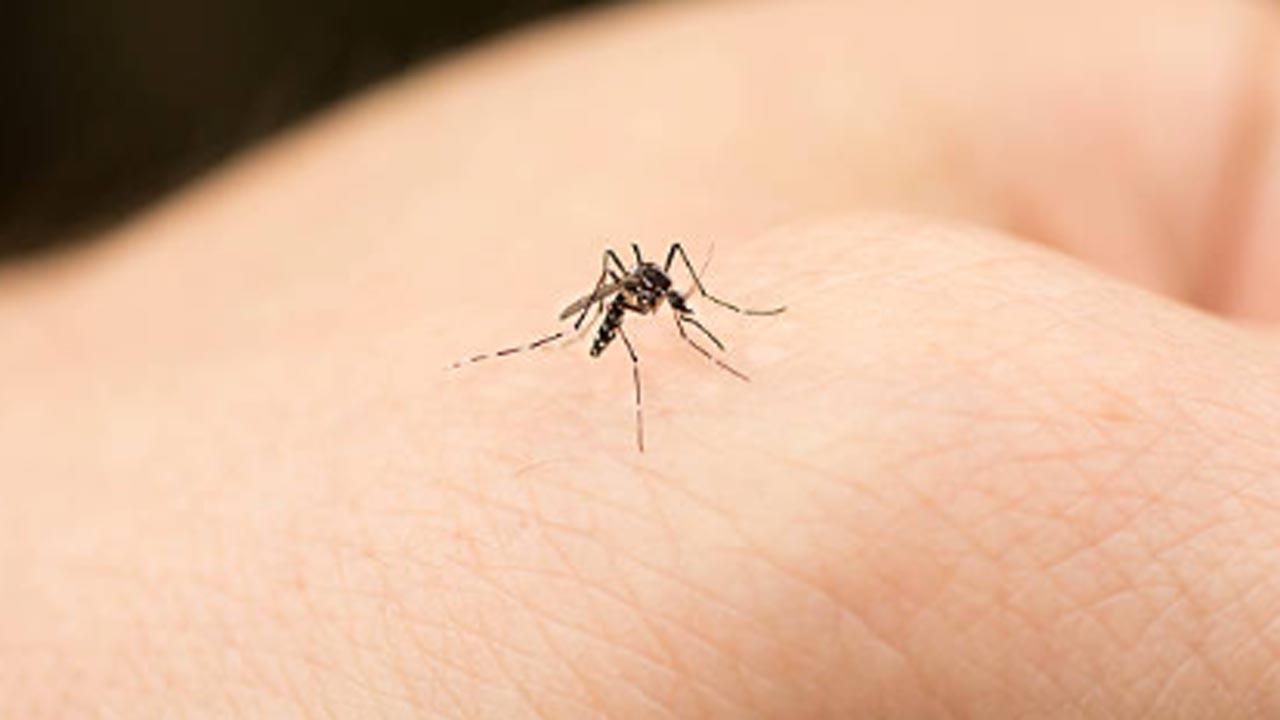
Chikungunya
Another common mosquito-borne disease during monsoon, chikungunya causes fever and severe joint pain. Some other symptoms include joint swelling, muscle pain, headache, nausea, fatigue and rash. WHO states that chikungunya virus is most commonly transmitted by the bites of Aedes aegypti or Aedes albopictus mosquitoes.
ADVERTISEMENT

5/6
Leptospirosis
Leptospirosis is a zoonotic bacterial infection that usually occurs when a human comes in contact with the urine of an infected animal through food, water, or soil. Rodents are the primary source of infection. A WHO report lists the following common symptoms: abrupt onset of fever, chills, headache, muscle pain and jaundice.

6/6
Typhoid
Typhoid is caused by the bacterium Salmonella Typhi. It usually spreads through contaminated food and water – a common occurrence during the monsoon season. According to WHO, some symptoms to look out for are prolonged high fever, fatigue, headache, nausea, abdominal pain, and constipation or diarrhoea.
Basic hygiene practices during the monsoon season like proper sanitation and healthy food can prevent spread of these diseases.
Disclaimer: This is for informational purposes only and does not replace professional medical advice. Kindly consult a qualified medical expert for personalised guidance.
ADVERTISEMENT
ADVERTISEMENT
Photo of Day

Global AI leaders join PM Modi in a bid to push for a smarter, inclusive future
PM Narendra Modi joins hands with Google CEO Sundar Pichai, OpenAI CEO Sam Altman, and others during the India AI Impact Summit 2026, in New Delhi. PIC/PTI
ADVERTISEMENT