Home / Lifestyle / Nature & Wildlife / Article /
Experts share safe hacks to deal with wildlife animals in human-dominated spaces
Updated On: 04 March, 2024 10:13 AM IST | Mumbai | Ainie Rizvi
The suburban areas connected with Sanjay Gandhi National Park have a higher incidence of wildlife as they lie at the periphery of the forest. On World Wildlife Day, Midday Online spoke to Pawan Sharma, a wildlife rescuer from RAWW, an animal welfare organisation in Mumbai, to learn about human-wildlife interaction



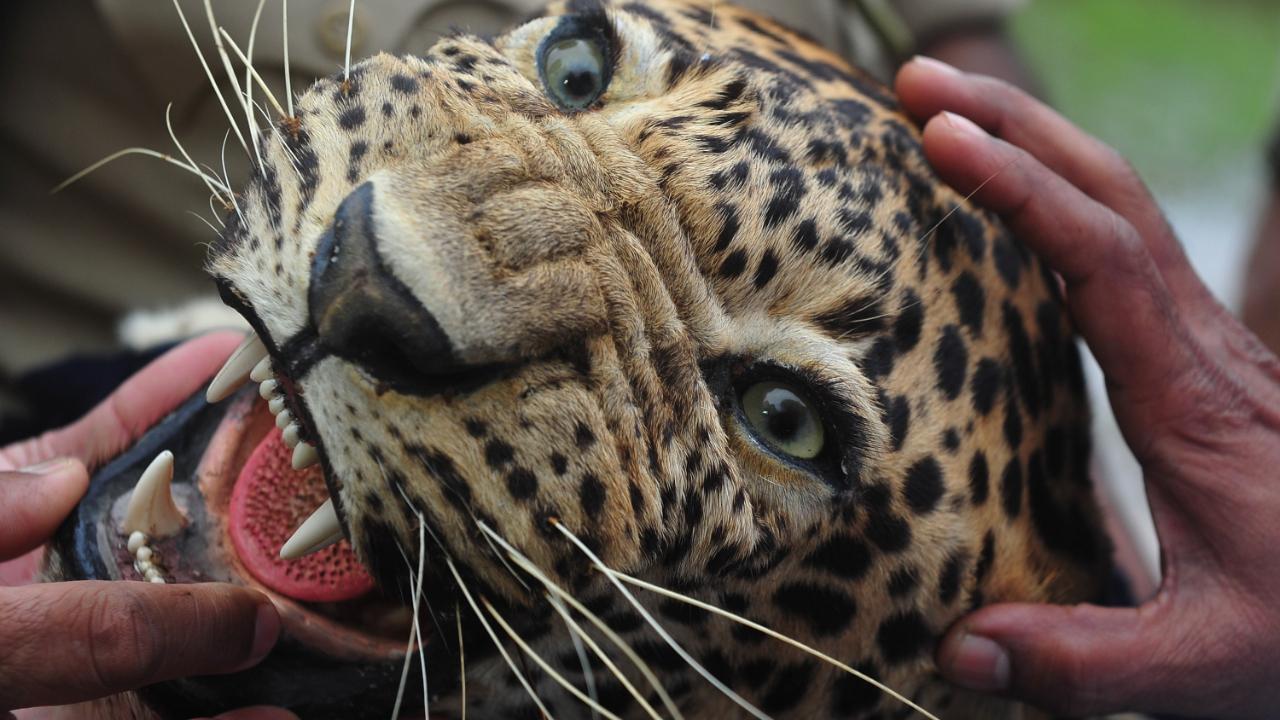
The World Wildlife Day is observed every year on March 3 to raise awareness about the wild fauna and flora across the globe. Photo Courtesy: AFP
The adjoining areas of Sanjay Gandhi National Park (SGNP) have recently witnessed instances of wildlife coming in contact with humans. Leopards have been spotted in schools at Mulund, Bhandup, Borivali, Andheri and in malls at Thane. No human casualty has been reported in these incidents.
“The movement patterns of these animals are based on their instincts and not intentions”, shares Pawan Sharma who works as a wildlife rescuer at the Mumbai based welfare organisation called RAWW (Resqink Association for Wildlife Welfare). According to Pawan, Leopards do not have intentions to harm humans and they wish to coexist with people.
Trending Stories
Latest Photos
Latest Videos
Latest Web Stories
ADVERTISEMENT
Mid-Day Fast
ADVERTISEMENT

ADVERTISEMENT