Home / Mumbai / Mumbai News / Article /
Why Mumbai’s becoming a giant, urban heat island
Updated On: 26 January, 2025 09:27 AM IST | Mumbai | Anand Singh
Every summer hits record temperatures, winters are getting warmer and there are pockets in the city that remain hot whether it’s day or night. Mumbai has become a “heat trap”, and experts say urban planning and smarter building materials are the way out



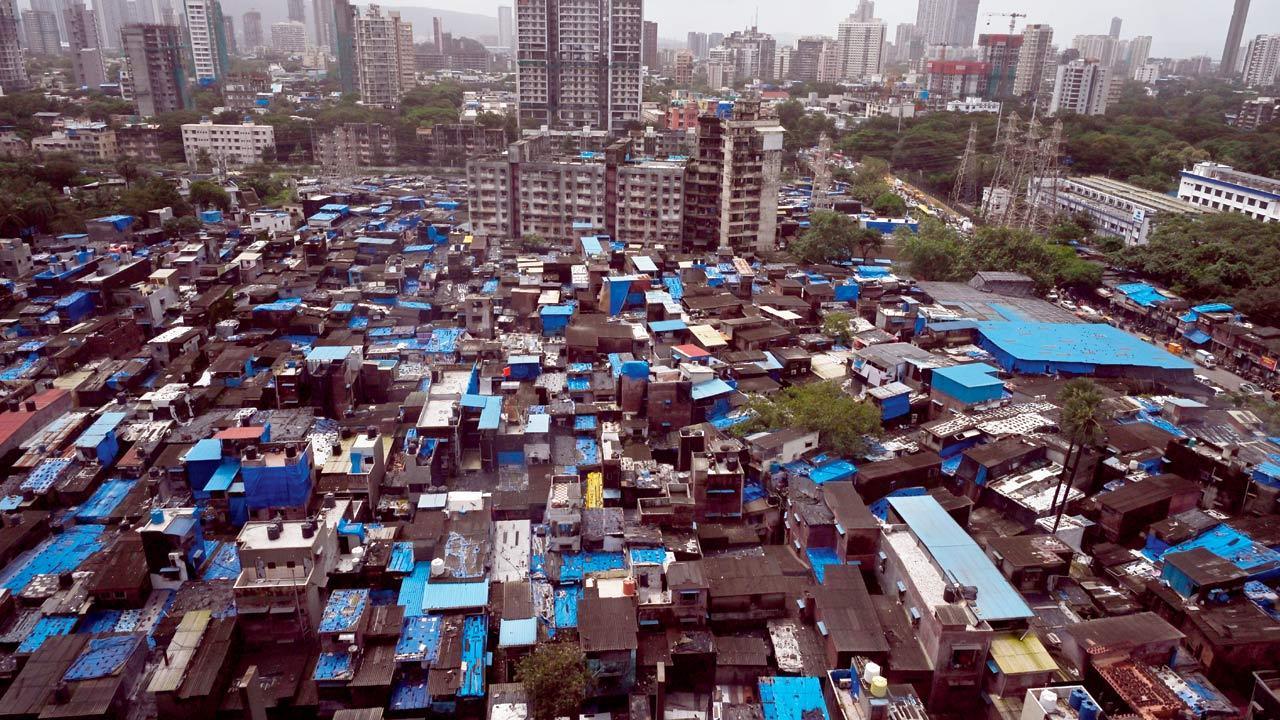
Shanties often use materials like tin, asbestos, or plastic for roofing, which absorb and retain heat throughout the day. Without proper insulation or ventilation, these roofs amplify temperatures inside the homes, making slum areas significantly hotter than their neighbouring regions. This intensifies the heat stress on residents, especially during peak summer months. File pic
Rishabh Rathaur, an IT engineer, commutes daily from Powai to the data science company he works at in JB Nagar, Andheri East. The nearly-30-minute motorcycle ride is marked by potholes, traffic, and dust. However, after a long day of troubleshooting IT issues at work, he looks forward to one thing on his way back home—as soon as he crosses the Seepz industrial area, and drives onto Jogeshwari-Vikhroli Link Road during the nighttime, the temperature drops by at least two-three degrees Celsius.
In a city where winters bring only a short respite from the year-round heat—temperatures have surpassed 35°C in mid-January itself—this pocket of cool air during his commute is something that Rathaur can look forward to every day.
Trending Stories
Latest Photos
Latest Videos
Latest Web Stories
ADVERTISEMENT
Mid-Day Fast
ADVERTISEMENT

ADVERTISEMENT