Home / Mumbai / Mumbai News / Photos / Did you know that the name Colaba was originally coined by Kolis as Kola-bhat?

Did you know that the name Colaba was originally coined by Kolis as Kola-bhat?

Updated On: 30 March, 2023 11:13 AM IST | Ainie Rizvi

We have curated ten historical facts about Mumbai`s iconic locality Colaba. Known for its old world charm, diverse neighbourhood, lively markets and eclectic food, the locality is an extension of human enterprise in South Bombay. The extracts have been taken with permission from the book, "Bombay: The Cities Within" by Rahul Mehrotra and Sharada Dwivedi, and published by Eminence Designs Pvt. Ltd.


We have curated ten historical facts about Mumbai`s iconic locality Colaba. Known for its old world charm, diverse neighbourhood, lively markets and eclectic food, the locality is an extension of human enterprise in South Bombay. The extracts have been taken with permission from the book, "Bombay: The Cities Within" by Rahul Mehrotra and Sharada Dwivedi, and published by Eminence Designs Pvt. Ltd.

1/11

We have curated ten historical facts about Mumbai`s iconic locality Colaba. Known for its old world charm, diverse neighbourhood, lively markets and eclectic food, the locality is an extension of human enterprise in South Bombay. The extracts have been taken with permission from the book, "Bombay: The Cities Within" by Rahul Mehrotra and Sharada Dwivedi, and published by Eminence Designs Pvt. Ltd.
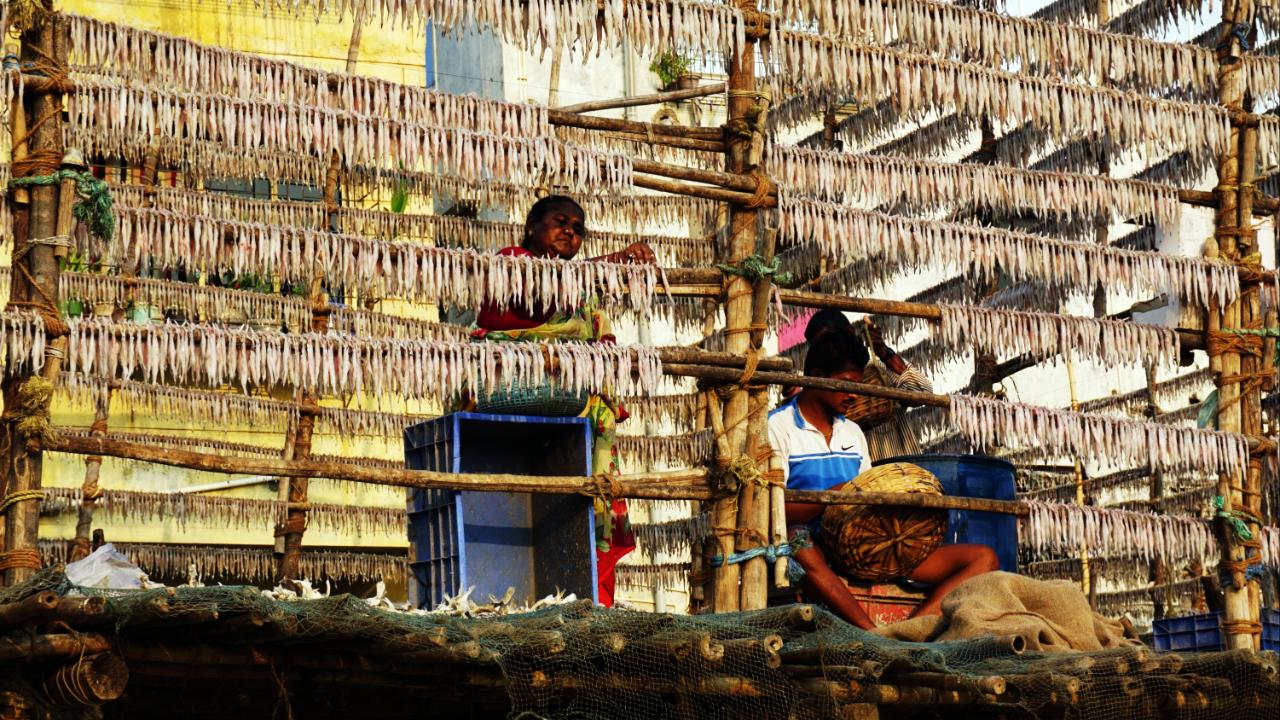
<p>The Kolis gave their name to the southernmost of Bombay&rsquo;s seven islands, Kola-bhat or Colaba, the landed estate of the fisherfolk</p>

2/11

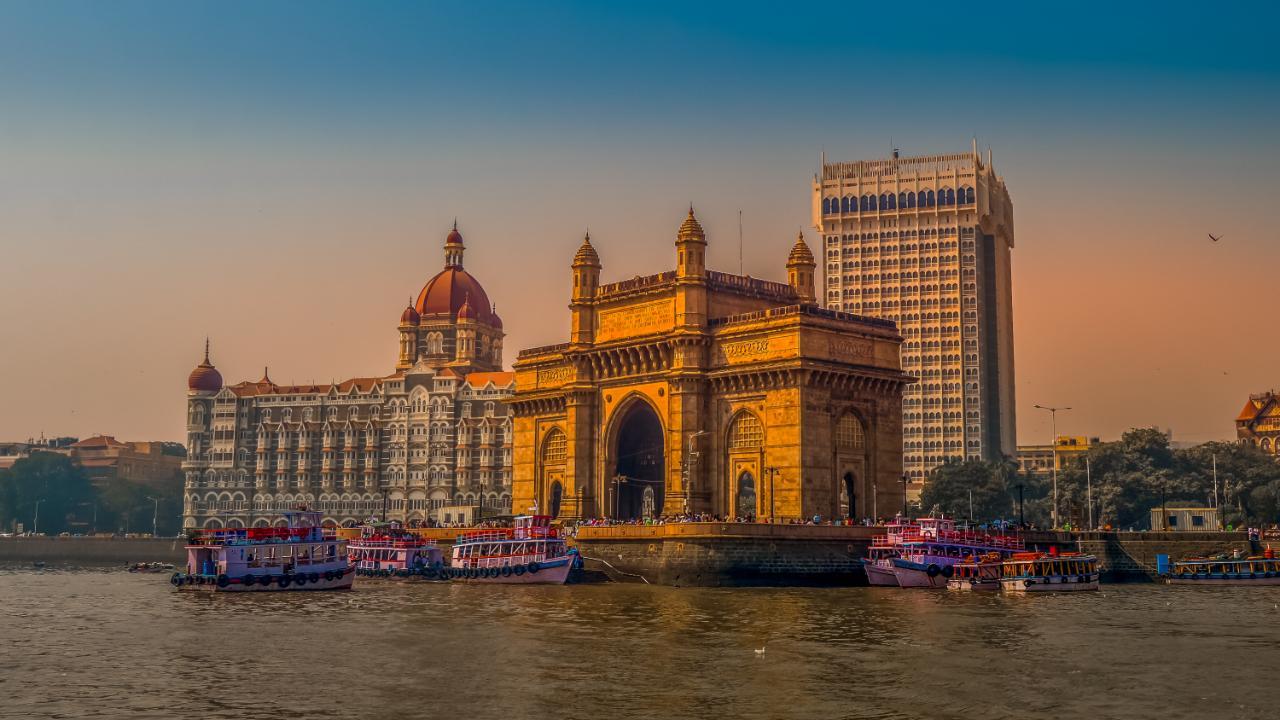
The Kolis gave their name to the southernmost of Bombay’s seven islands, Kola-bhat or Colaba, the landed estate of the fisherfolk

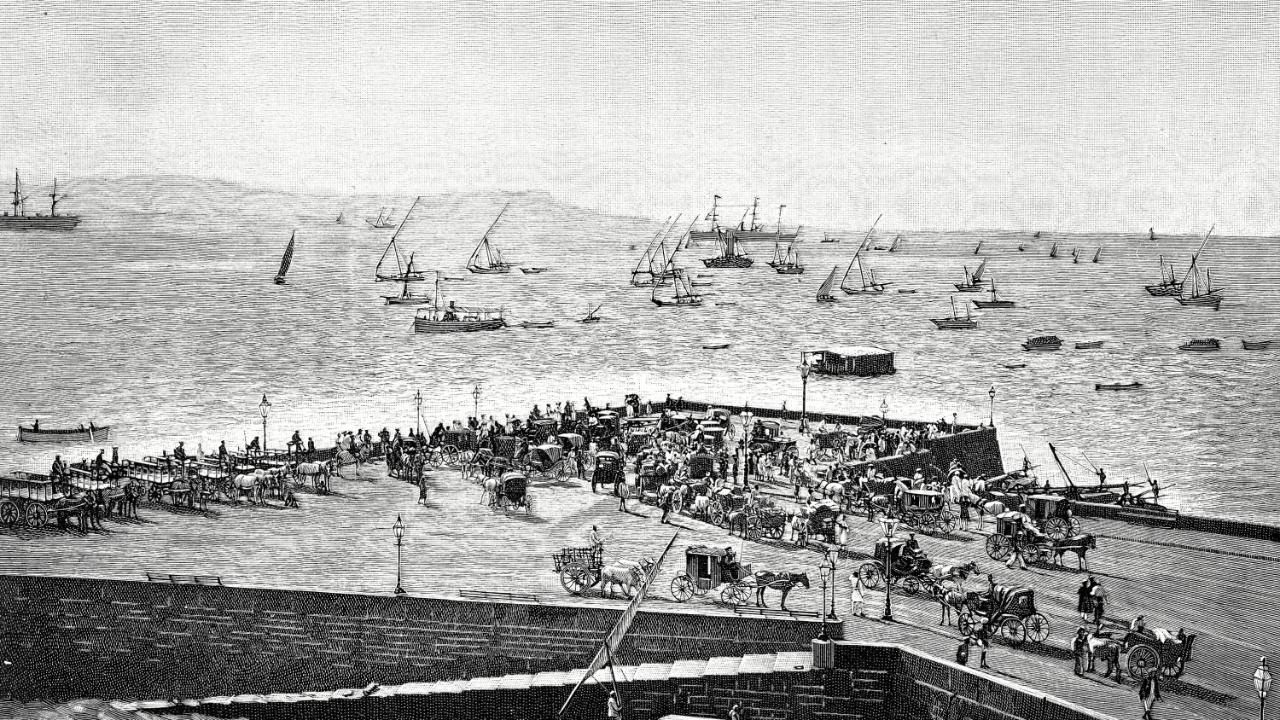
<p>In the early 18<sup>th</sup> century, Colaba became a place for recreation, when the East India Company released large herds of deer on the islands. Englishmen came here by ferryboat and other small craft for shikar and sport, primarily to escape the claustrophobic confines of the walled town</p>

3/11

In the early 18th century, Colaba became a place for recreation, when the East India Company released large herds of deer on the islands. Englishmen came here by ferryboat and other small craft for shikar and sport, primarily to escape the claustrophobic confines of the walled town
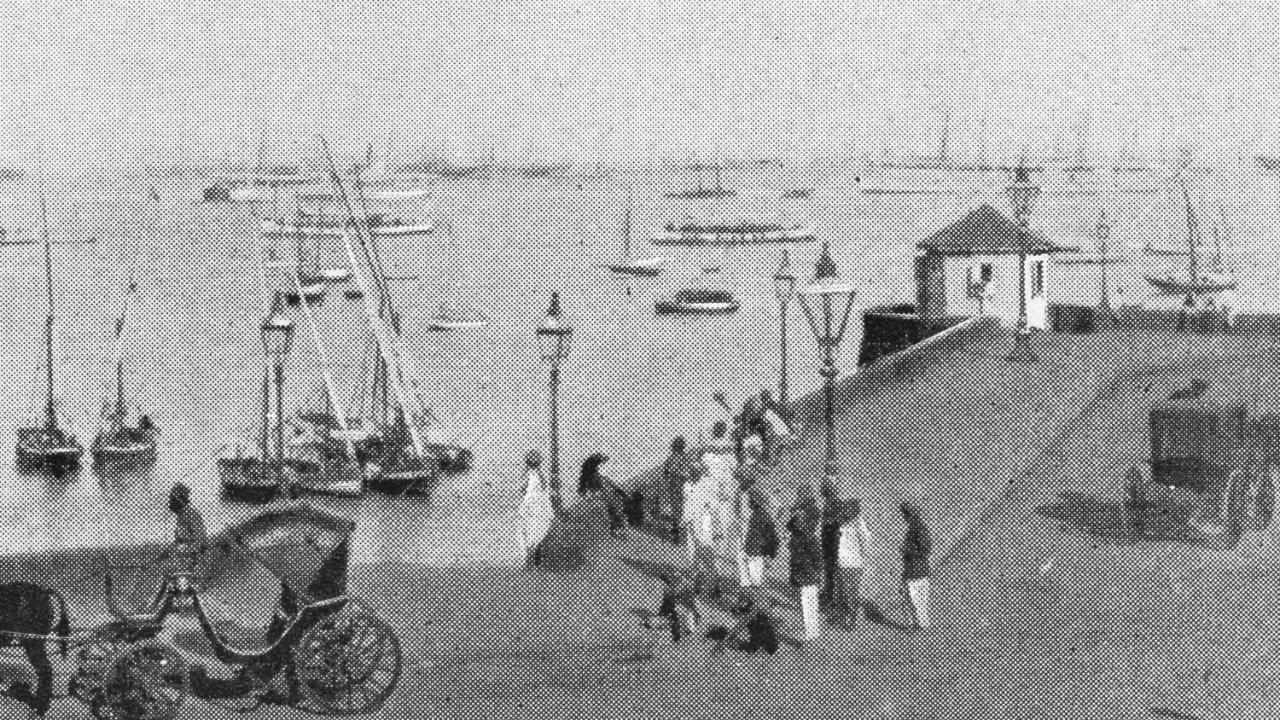
<p>In 1743, Colaba was leased to a Richard Broughton at Rs 200 per annum. Until it was renewed in 1764 in favour of his heirs, hardly any development was noticeable except for a few tombs including that of Sir John Chid, Governor from 1681 to 1690, of which no trace now remains</p>

4/11

In 1743, Colaba was leased to a Richard Broughton at Rs 200 per annum. Until it was renewed in 1764 in favour of his heirs, hardly any development was noticeable except for a few tombs including that of Sir John Chid, Governor from 1681 to 1690, of which no trace now remains

<p>Many families lived on the island which was connected to Bombay by a mile long open, rocky way, accessible only at low tide. Foolhardy visitors who missed the proper time for crossing, swam their horses across the waters of the incoming tide and many lives were lost in the attempt</p>

5/11

Many families lived on the island which was connected to Bombay by a mile long open, rocky way, accessible only at low tide. Foolhardy visitors who missed the proper time for crossing, swam their horses across the waters of the incoming tide and many lives were lost in the attempt
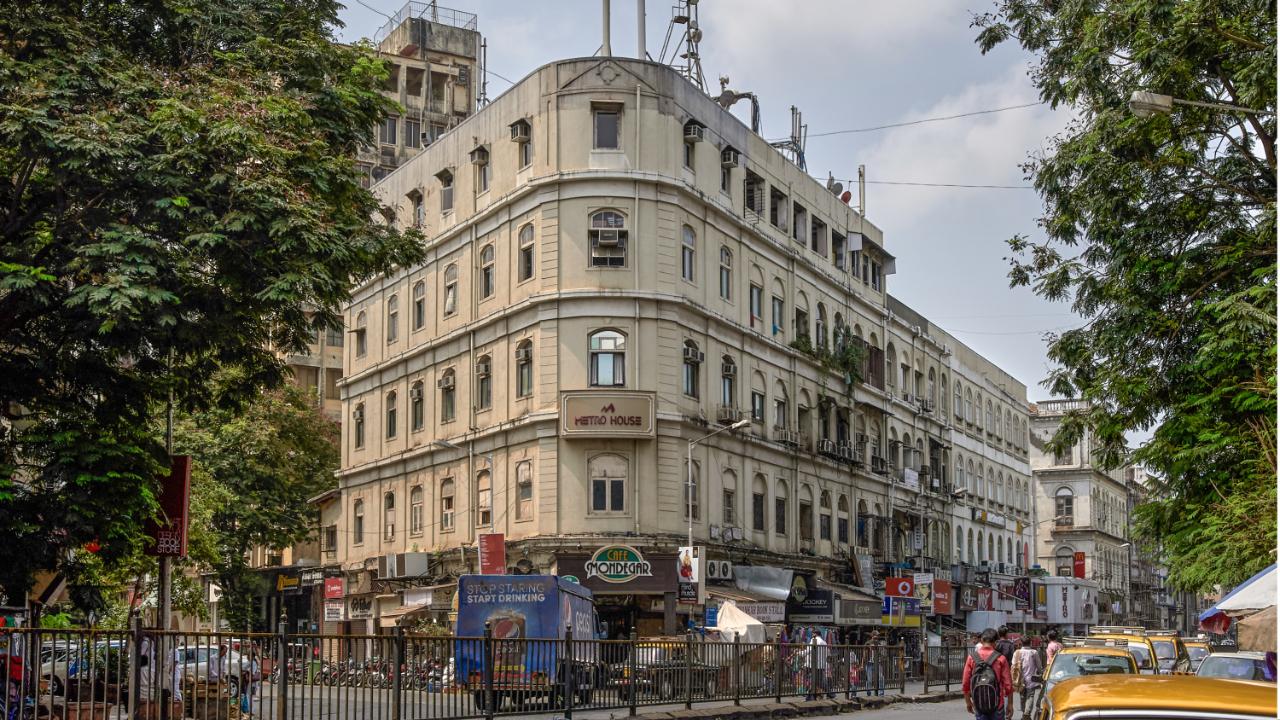
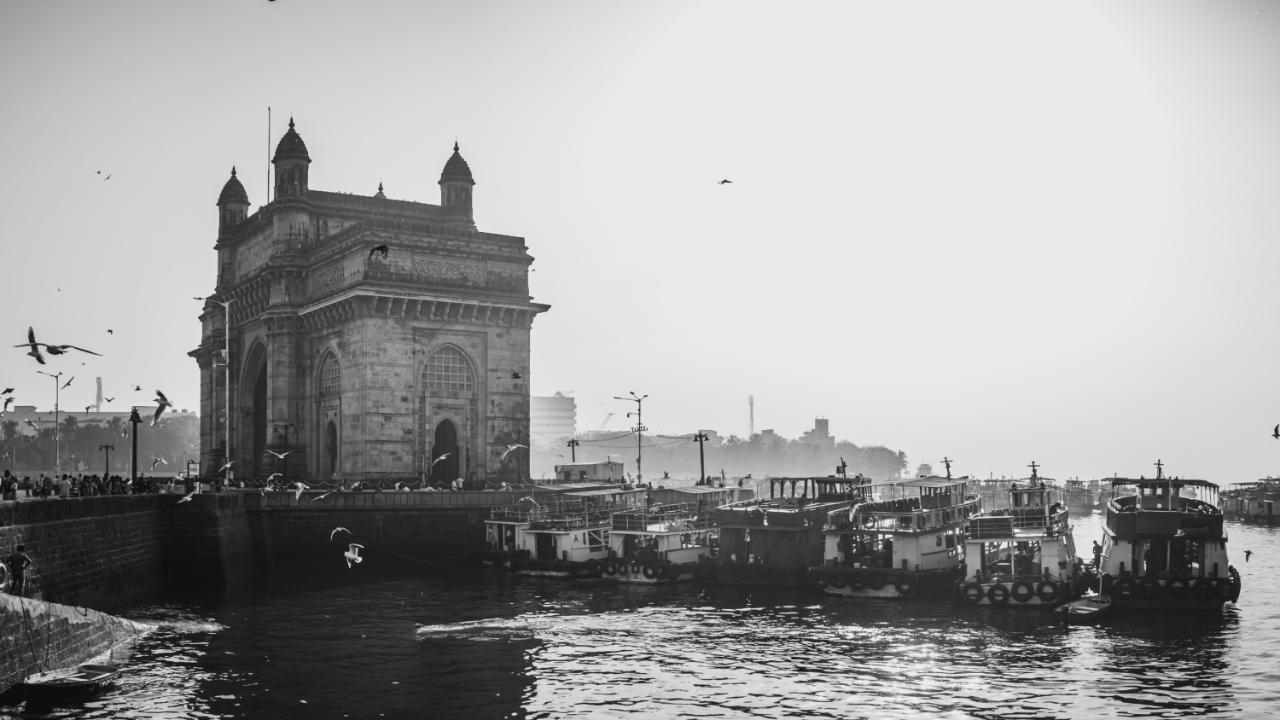
<p>Colaba causeway was therefore built for the convenience of visitors. The construction of the causeway in 1838 was an important milestone in Bombay`s history. Not only did it open up new land for development, but more importantly, it was the last link in the process of fusing together Bombay`s seven islands into one land mass</p>

6/11

Colaba causeway was therefore built for the convenience of visitors. The construction of the causeway in 1838 was an important milestone in Bombay`s history. Not only did it open up new land for development, but more importantly, it was the last link in the process of fusing together Bombay`s seven islands into one land mass

<p>There was very little habitation in the southern end of the Colaba island, in what was then called Upper Colaba. The first prominent structures built here included a meteorological observatory, located on the eastern side and a lunatic asylum constructed near the western foreshore in 1826</p>

7/11

There was very little habitation in the southern end of the Colaba island, in what was then called Upper Colaba. The first prominent structures built here included a meteorological observatory, located on the eastern side and a lunatic asylum constructed near the western foreshore in 1826
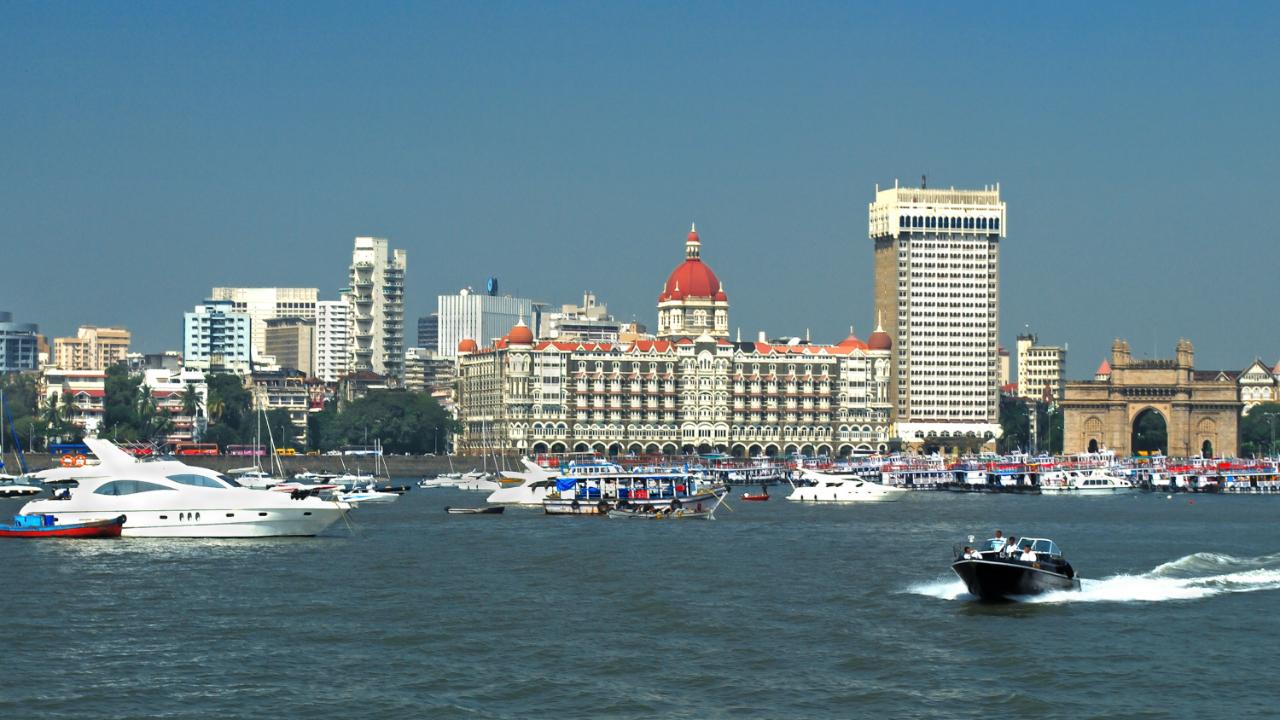
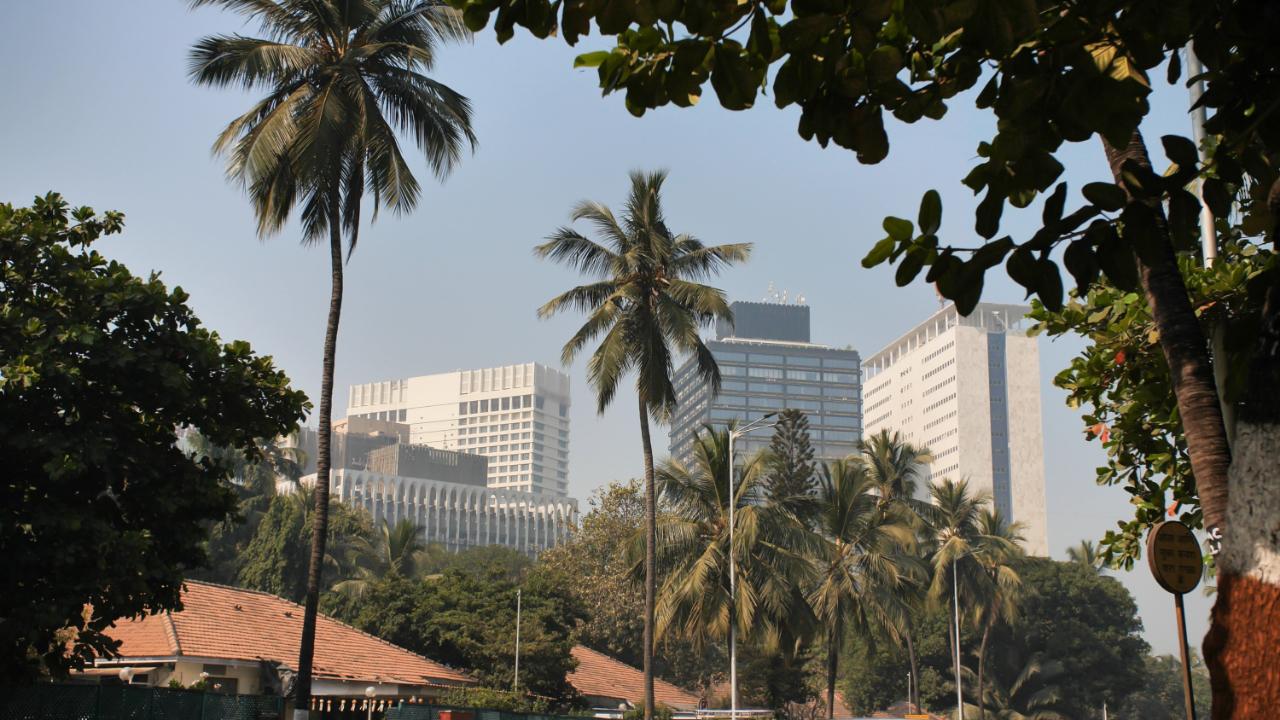
<p>The linking of Colaba with Bombay resulted in an immense rise in land values on the southern islands and many more houses were constructed. The first major transformation in the locality took place in 1844, when it became the new centre for cotton trade. Thus, over the following decades Colaba Causeway developed into a busy mercantile centre</p>

8/11

The linking of Colaba with Bombay resulted in an immense rise in land values on the southern islands and many more houses were constructed. The first major transformation in the locality took place in 1844, when it became the new centre for cotton trade. Thus, over the following decades Colaba Causeway developed into a busy mercantile centre

<p>As a result of the intensified activity at Colaba, the causeway was widened and rebuilt between 1861 and 1863 and the bustling precinct was designated as a separate ward of the newly constituted Bombay Municipality in 1872. In 1975, Sassoon Dock, the first wet dock and bunder, was built at eastern Colaba by David Sassoon &amp; Company</p>

9/11

As a result of the intensified activity at Colaba, the causeway was widened and rebuilt between 1861 and 1863 and the bustling precinct was designated as a separate ward of the newly constituted Bombay Municipality in 1872. In 1975, Sassoon Dock, the first wet dock and bunder, was built at eastern Colaba by David Sassoon & Company
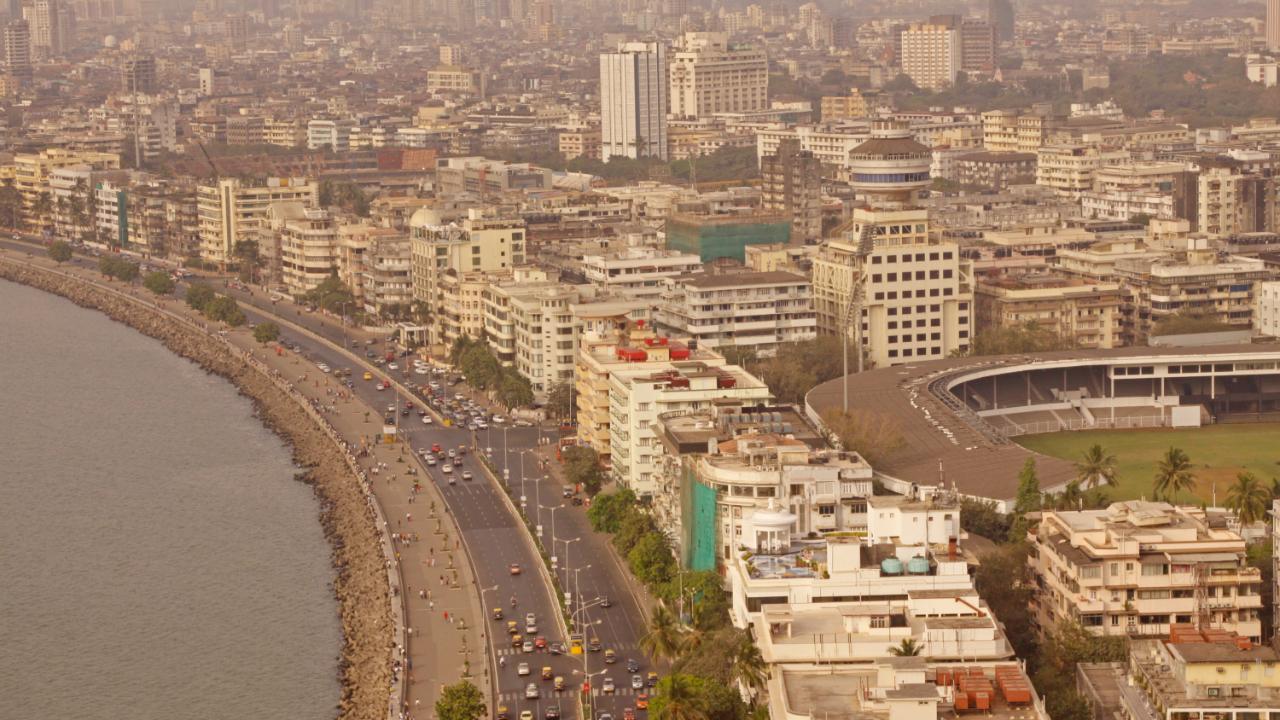
<p>By this time, the Bombay Baroda &amp; Central India Railway had also built its main terminal at Colaba. The growth in trade and transport led to a further rise in population and more residential buildings sprang up in the coming years within the locality</p>

10/11

By this time, the Bombay Baroda & Central India Railway had also built its main terminal at Colaba. The growth in trade and transport led to a further rise in population and more residential buildings sprang up in the coming years within the locality

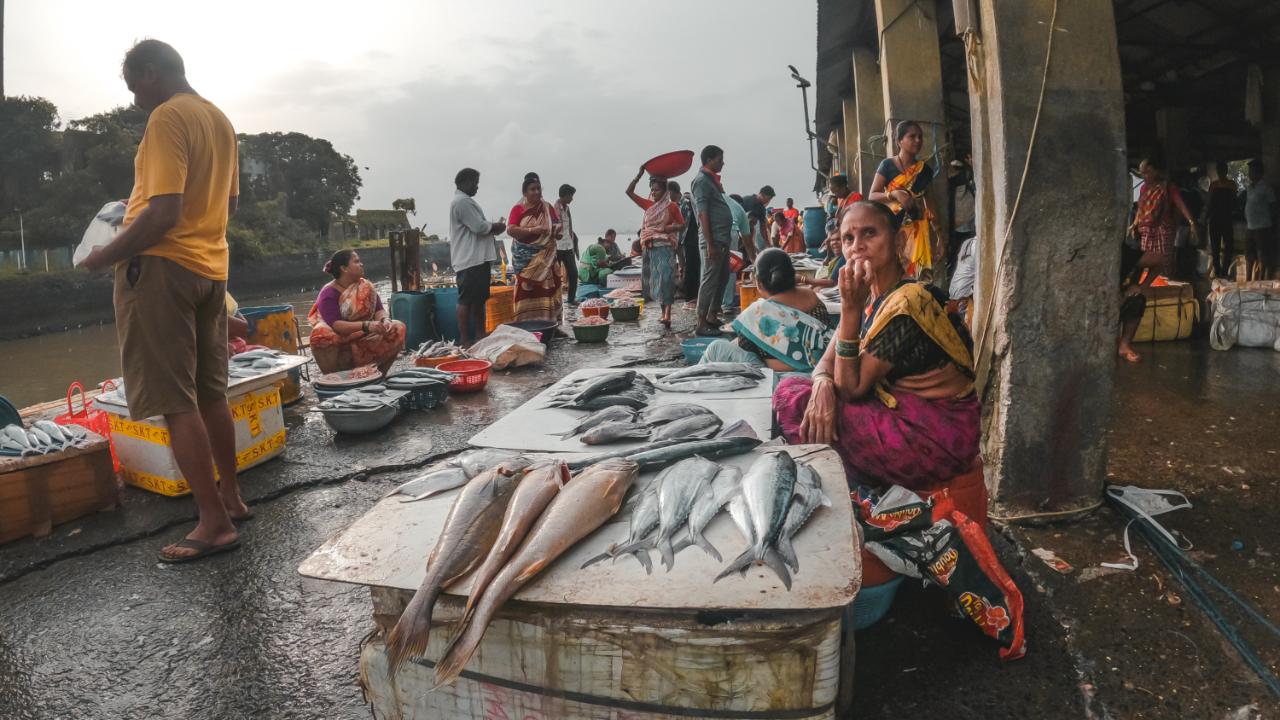
<p>Because of the rapid urbanization and development, the Kolis got confined to small enclaves such as the Sassoon Dock area on the eastern shore</p>

11/11

Because of the rapid urbanization and development, the Kolis got confined to small enclaves such as the Sassoon Dock area on the eastern shore

Photo of Day

Breaking barriers and building pyramids — Women power in action!

Breaking barriers and building pyramids — Women power in action!

Sashastra Seema Bal’s (SSB) Daredevils team performs during rehearsals for the Republic Day Parade, in New Delhi. PIC/PTI

Advertisement