Home / News / India News / Photos /
IN PHOTOS: Dust storm sweeps Delhi-NCR, IMD warns of more turbulent weather
Updated On: 15 May, 2025 12:08 PM IST | Anushree Gaikwad
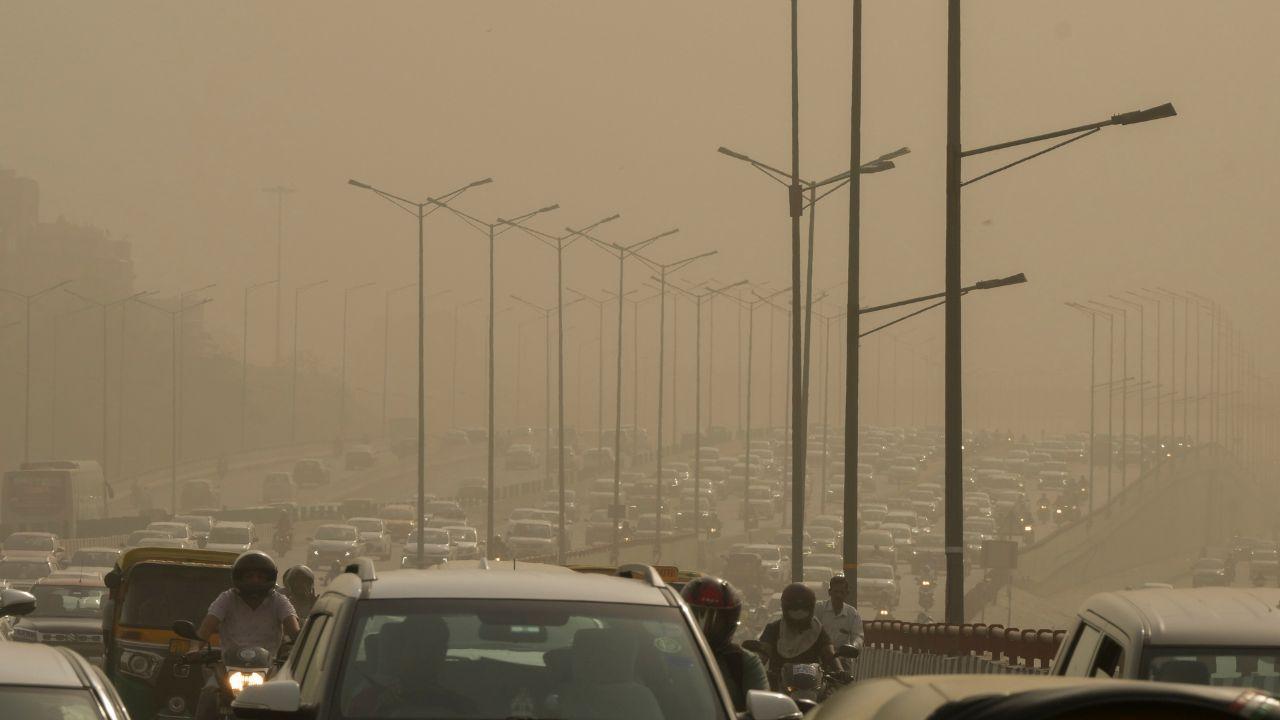
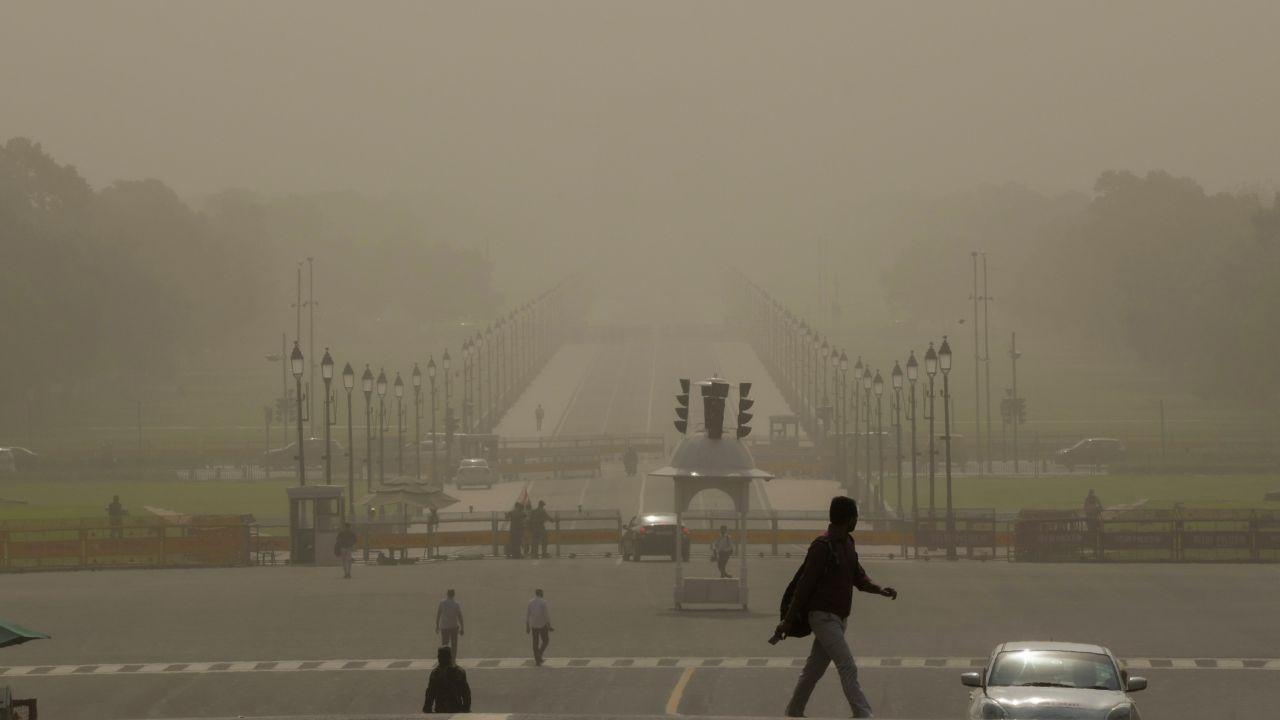
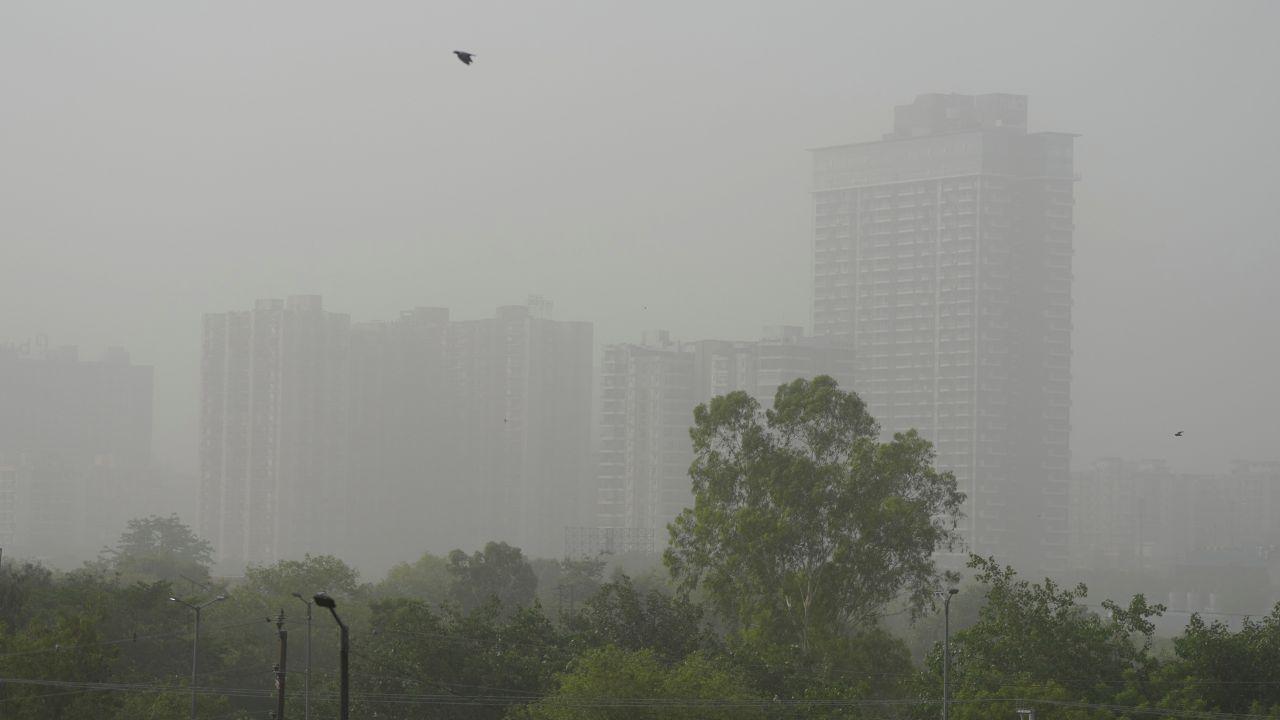
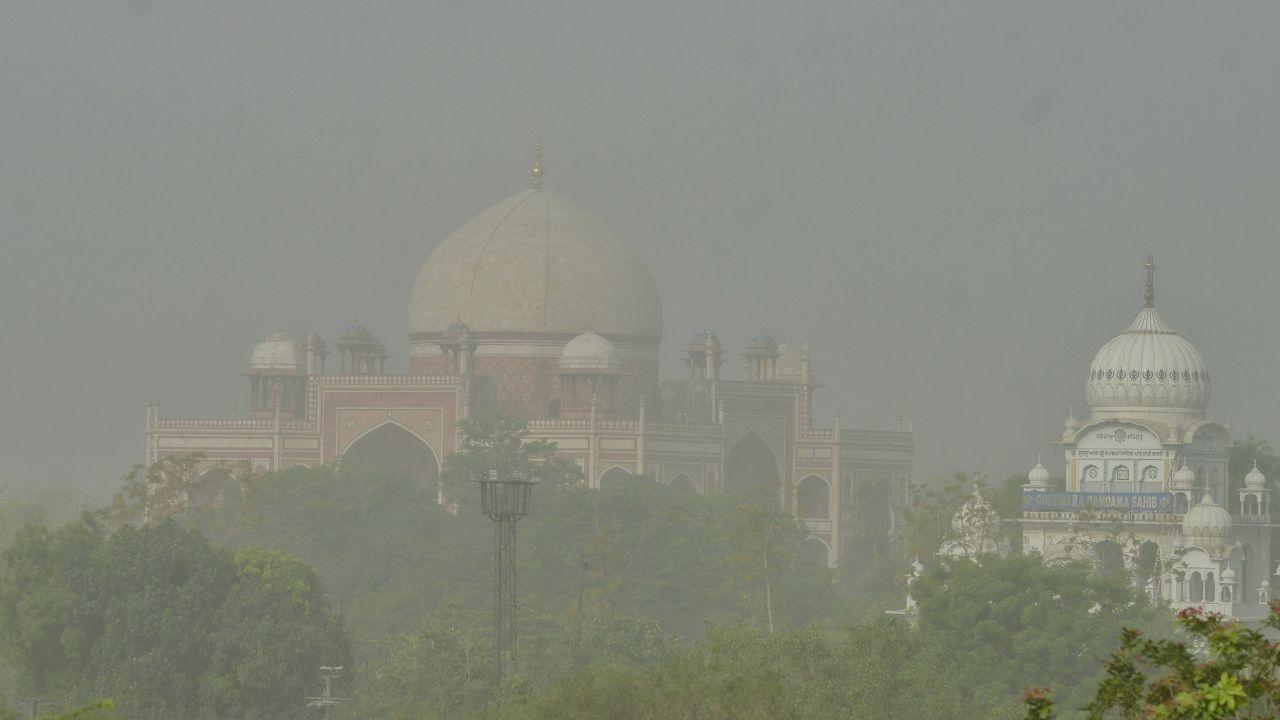
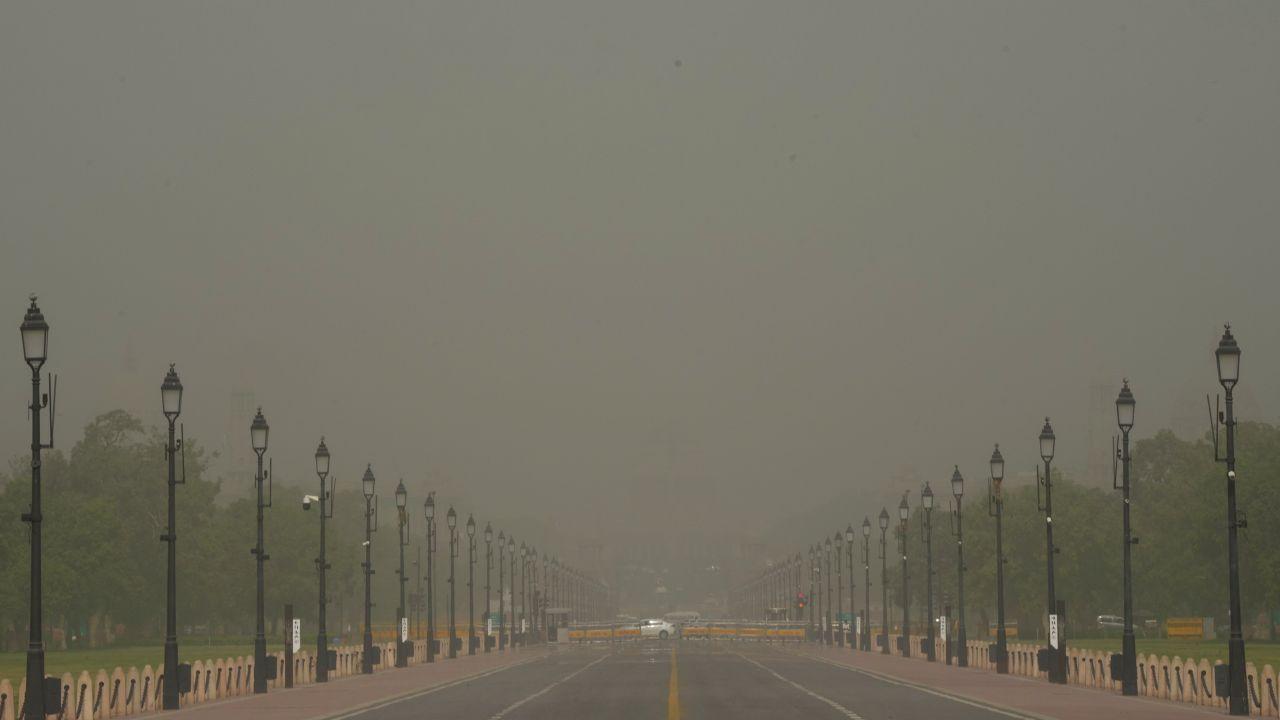
A layer of dust covered the city on Thursday morning after overnight dust storms, reducing visibility and leading to a dip in the air quality. (Pics/PTI)



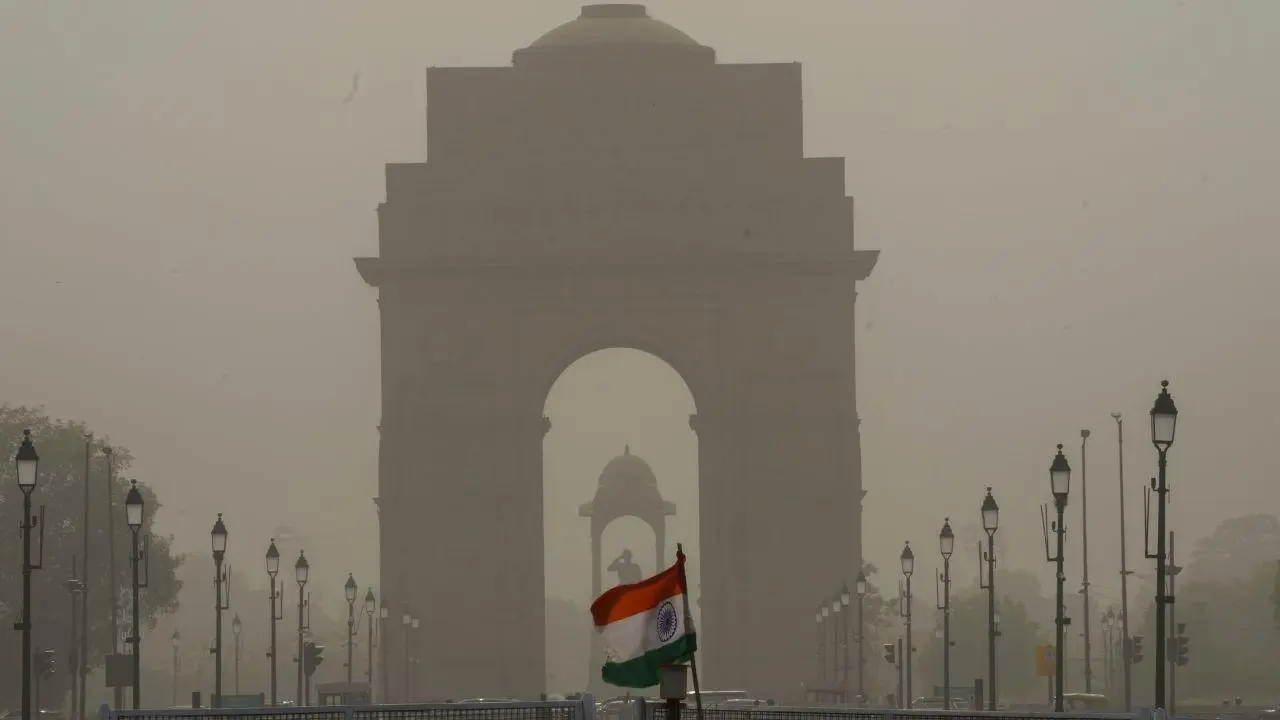
1/9
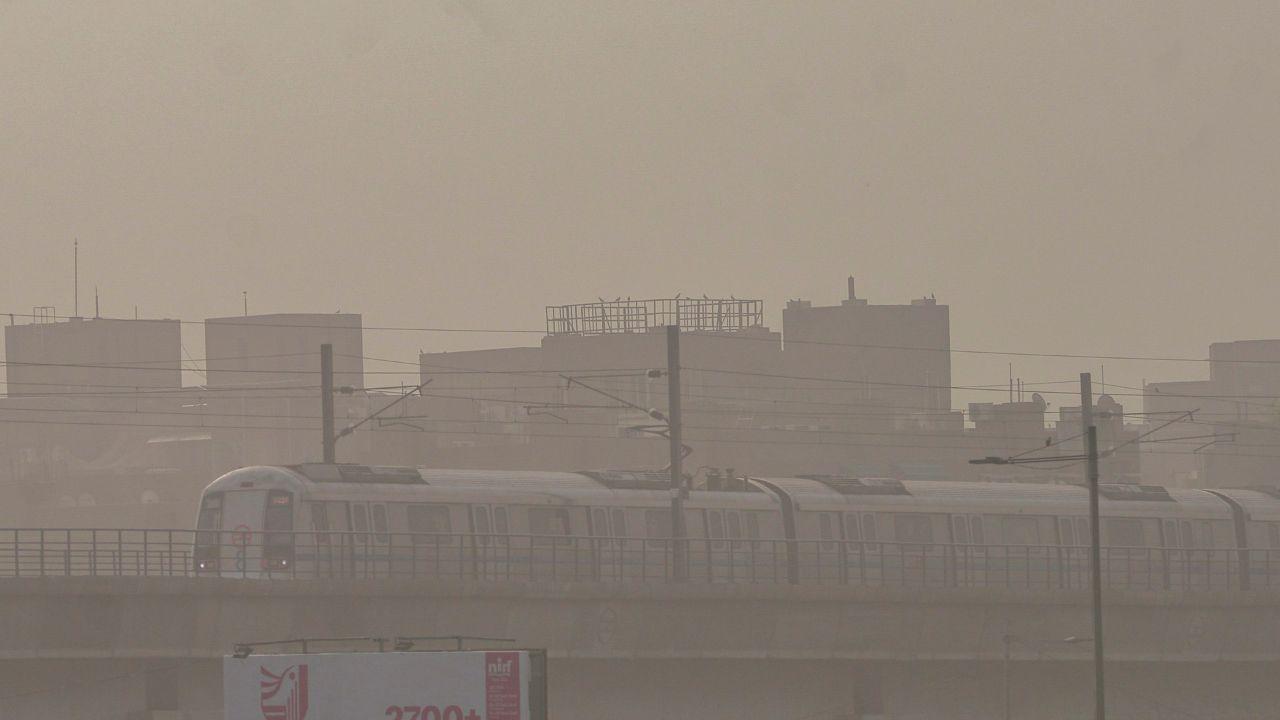
2/9
The dust storms were triggered by gusty winds sweeping at speeds of 30 to 40 kmph, according to the India Meteorological Department (IMD)
ADVERTISEMENT
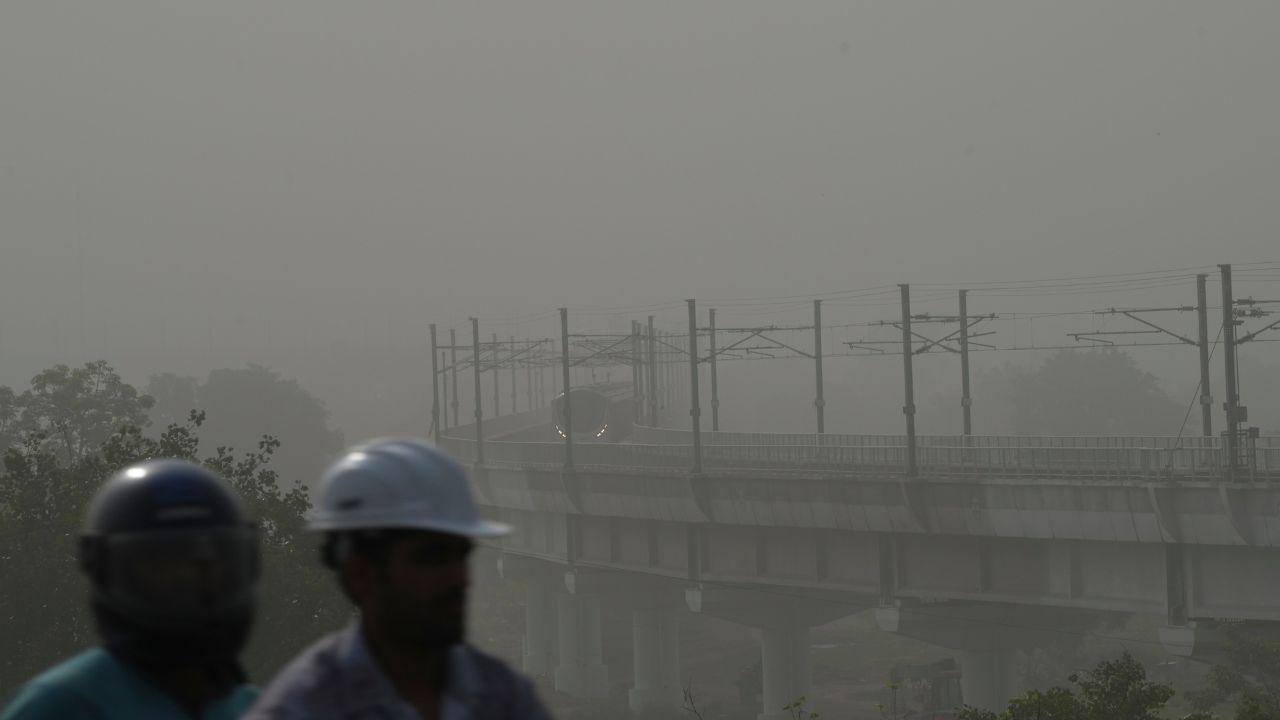
3/9
Visibility had fallen from 4,500 metres to 1,200 metres at IGI airport from 10 pm to 11:30 pm on Wednesday night after the dust storm
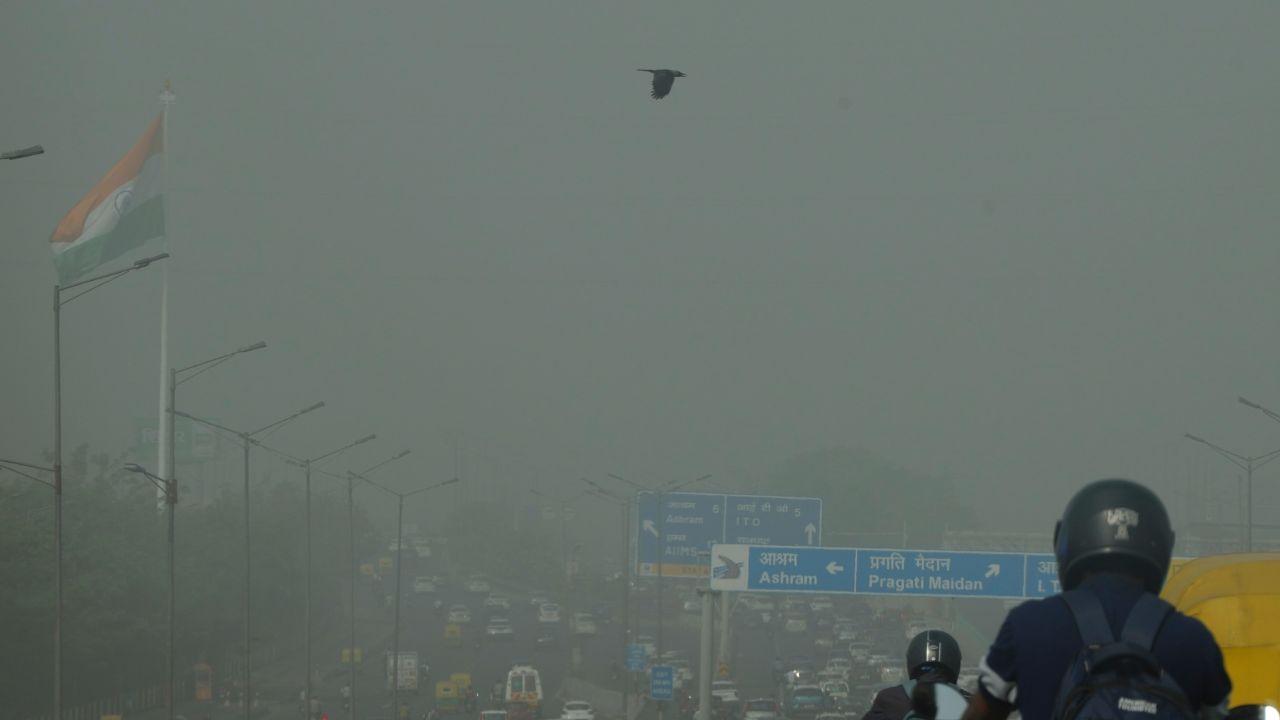
4/9
Since the storm, calm to weak wind conditions, ranging from 3 to 7 kmph, have prevailed, preventing the dispersion of dust particles
ADVERTISEMENT
5/9
As a result, visibility continues to remain poor, fluctuating between 1,200 and 1,500 metres at both the Safdarjung and Palam airports, the IMD added
6/9
The dust storm has affected Delhi's air quality, with the AQI slipping into the poor category after remaining in the moderate range for the past few weeks
ADVERTISEMENT
7/9
According to the Central Pollution Control Board, the AQI was recorded at 236 in the poor category at 8 am
8/9
An AQI between zero and 50 is considered 'good', 51 and 100 'satisfactory', 101 and 200 'moderate', 201 and 300 'poor', 301 and 400 'very poor', and 401 and 500 'severe'
ADVERTISEMENT
9/9
The weather department has predicted strong surface winds during the day
ADVERTISEMENT
Photo of Day
_db.jpg "Eye on the big apple")
Eye on the big apple
You cannot take the love for a city skyline out of a Mumbai lensman as this snapshot of the New York vista, a sister city, by our photo correspondent proves. Pic/Nimesh Dave
ADVERTISEMENT