Home / News / India News / Photos /
IN PHOTOS: On his 61st death anniversary, a capsule summary of Nehru's life
Updated On: 27 May, 2025 12:09 PM IST | Anushree Gaikwad
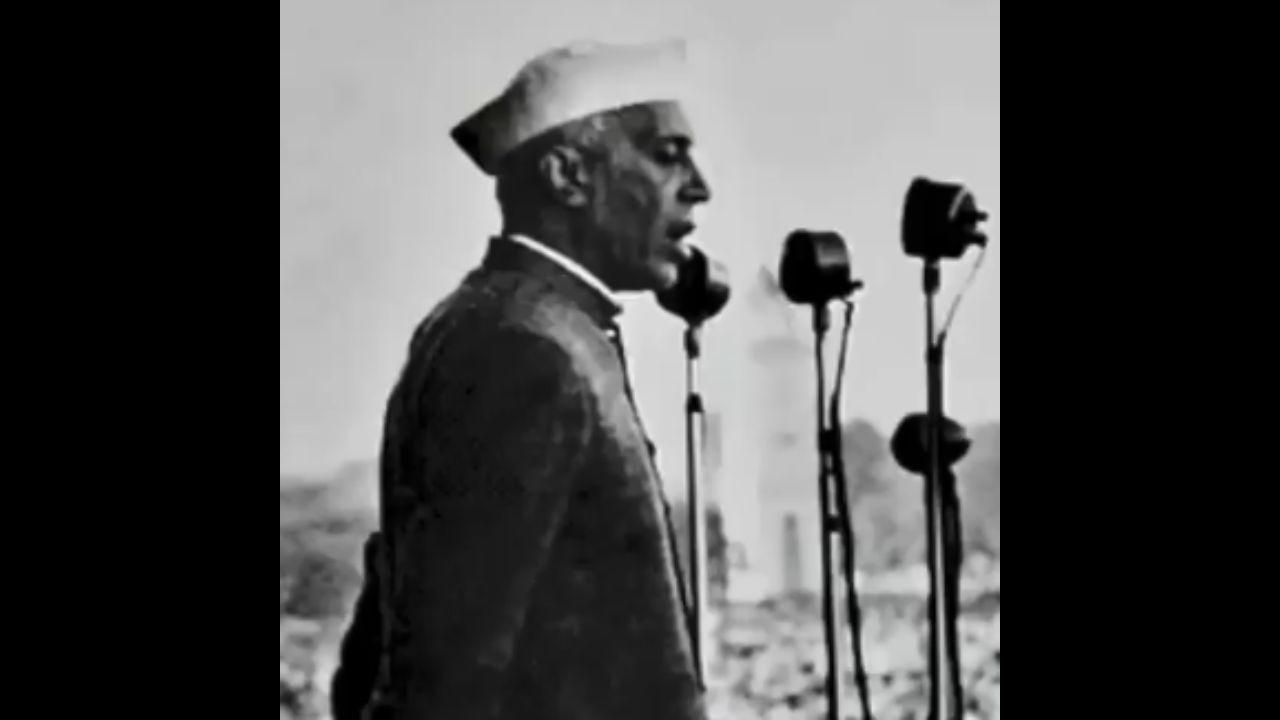
Jawaharlal Nehru, India’s first Prime Minister, was a visionary leader, freedom fighter, and architect of modern India. He championed democracy, secularism, and progressive policies, shaping the nation’s future. Here’s a brief look at Nehru’s remarkable life journey. (Pics/ @INCIndia)



1/10

2/10
In 1912, he attended the Bankipore Congress as a delegate and became Secretary of the Home Rule League, Allahabad, in 1919
ADVERTISEMENT

3/10
Pt Nehru became the General Secretary of the All India Congress Committee in September 1923. He toured Italy, Switzerland, England, Belgium, Germany and Russia in 1926

4/10
Earlier, in 1926, at the Madras Congress, Nehru had been instrumental in committing the Congress to the goal of Independence
ADVERTISEMENT

5/10
On August 29, 1928, he attended the All-Party Congress and was one of the signatories to the Nehru Report on Indian Constitutional Reform, named after his father, Motilal Nehru

6/10
In 1929, Pt. Nehru was elected President of the Lahore Session of the Indian National Congress, where complete independence for the country was adopted as the goal
ADVERTISEMENT

7/10
He was imprisoned several times during 1930-35 in connection with the Salt Satyagraha and other movements launched by the Congress

8/10
On August 7, 1942, Pt. Nehru moved the historic ‘Quit India’ resolution at the A.I.C.C. session in Bombay
ADVERTISEMENT

9/10
On August 8, 1942, he was arrested along with other leaders and taken to Ahmednagar Fort. This was his longest and also his last detention

10/10
In all, he suffered imprisonment nine times. After his release in January 1945, he organised legal defence for those officers and men of the INA charged with treason. In March 1946, Pt. Nehru toured Southeast Asia. He was elected President of the Congress for the fourth time on July 6, 1946 and again for three more terms from 1951 to 1954
ADVERTISEMENT
ADVERTISEMENT
Photo of Day

Nature turns the tide pink
Thousands of flamingos wade through the shallow waters of the Talawe wetlands behind Nerul’s NRI Complex in Navi Mumbai. PIC/SHADAB KHAN
ADVERTISEMENT