Home / News / India News / Photos /
In Pics: Kashmir's winter wonderland, Gulmarg
Updated On: 30 January, 2024 06:49 PM IST | Editor
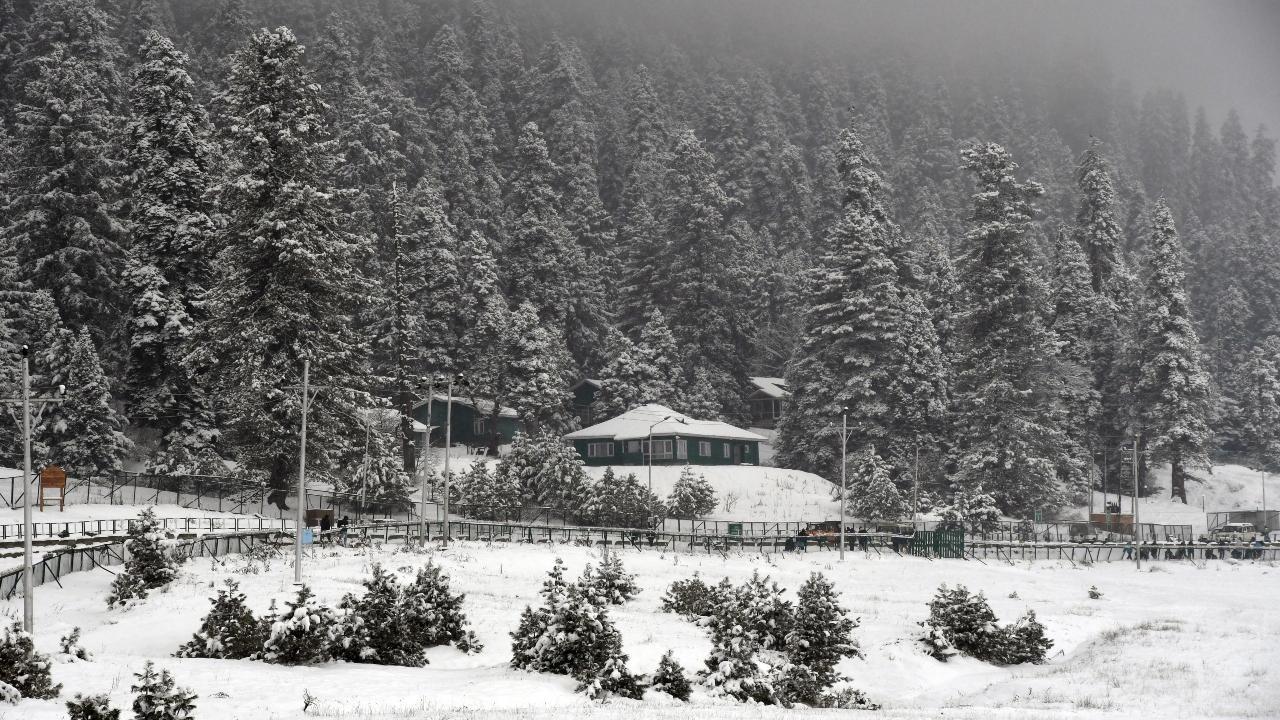
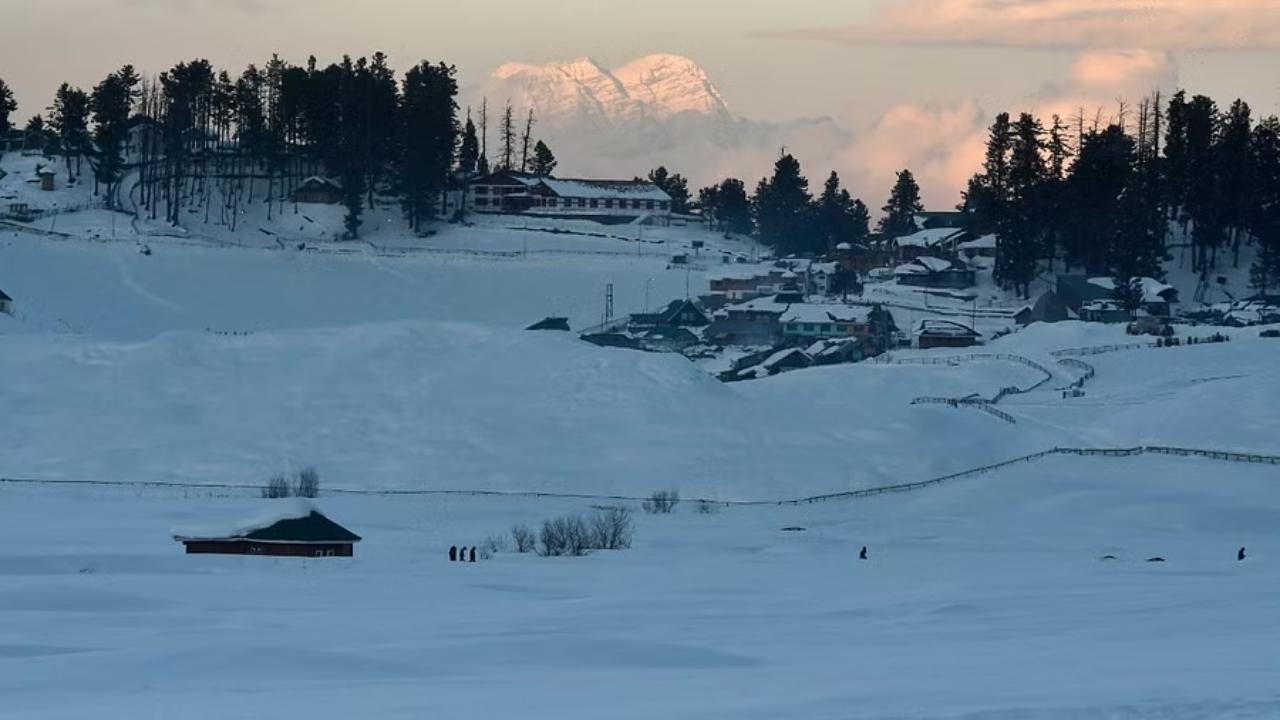
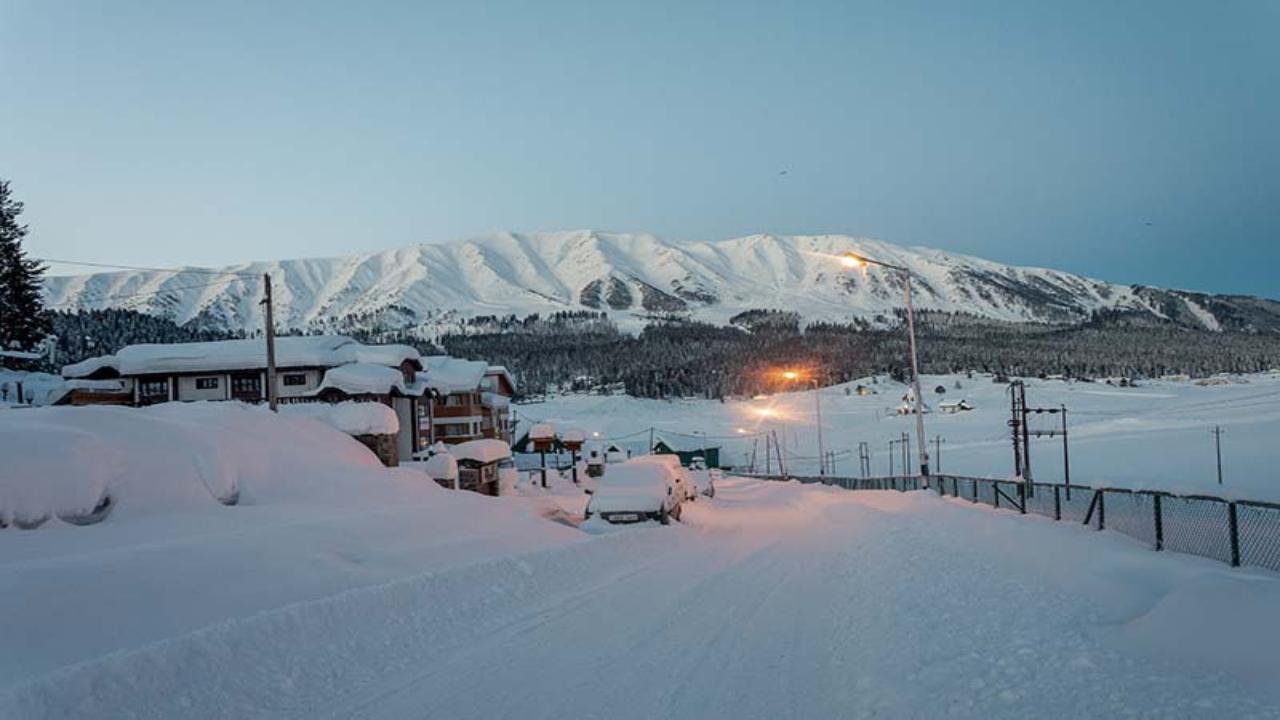
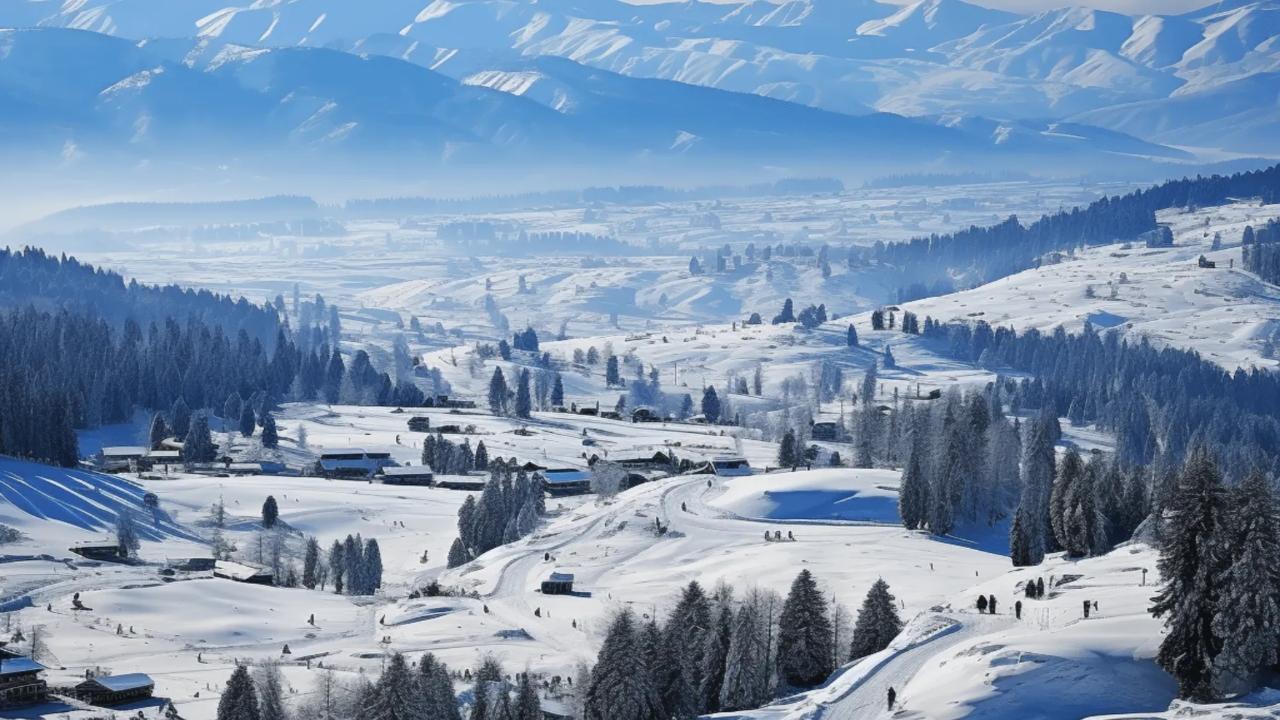
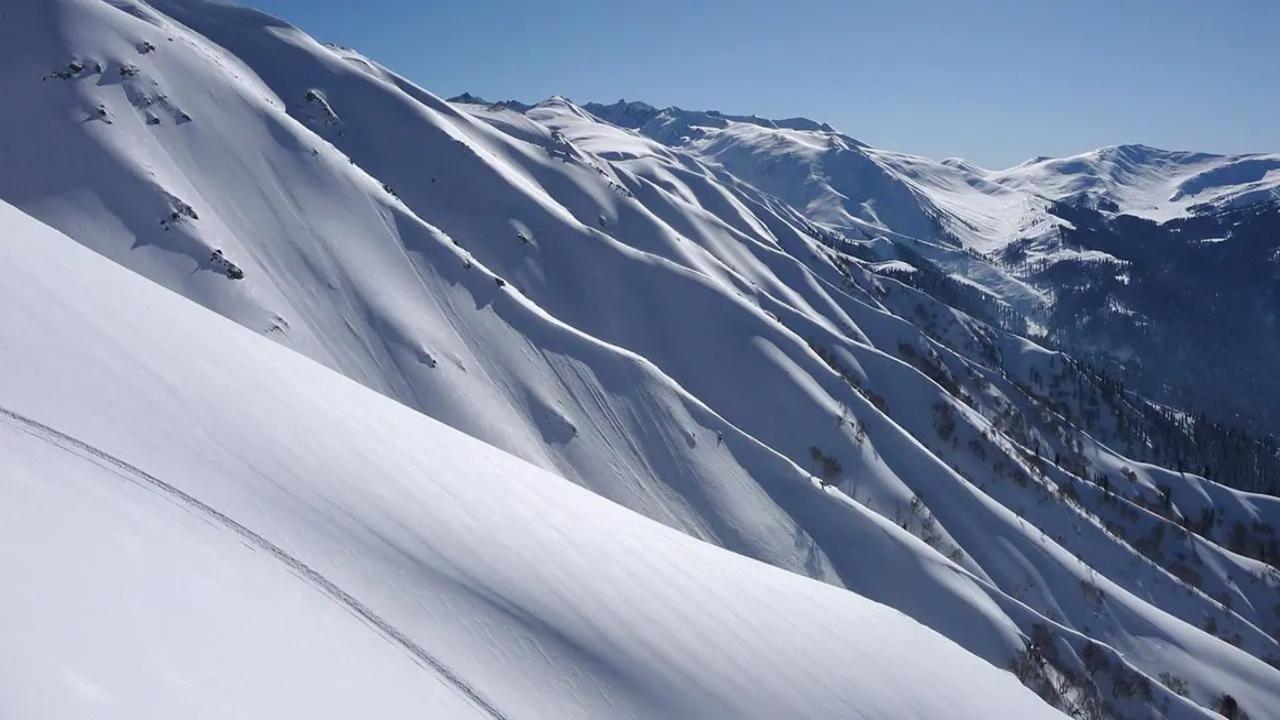
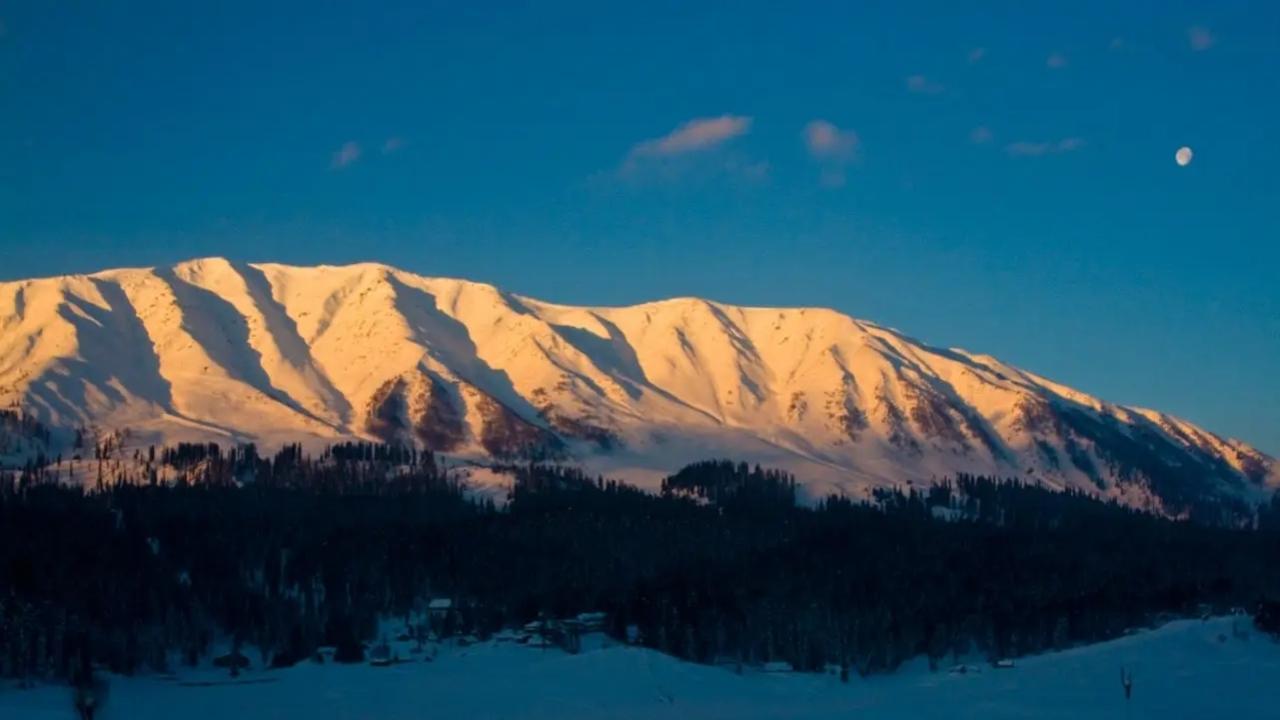
Gulmarg, renowned as the meadow of flowers, transforms into a winter wonderland with its snow-covered peaks and mesmerizing views of the Himalayas. Pics/AFP/iStock/PTI/File



1/17

2/17
Gulmarg, renowned as the meadow of flowers, transforms into a winter wonderland with its snow-covered peaks and mesmerizing views of the Himalayas.
ADVERTISEMENT
3/17
The region boasts excellent infrastructure, including a gondola ascending to 14,000 feet, making it an ideal destination for winter enthusiasts.

4/17
However, climate change is disrupting the once-reliable snowfall, impacting the livelihoods of locals dependent on winter tourism.
ADVERTISEMENT
5/17
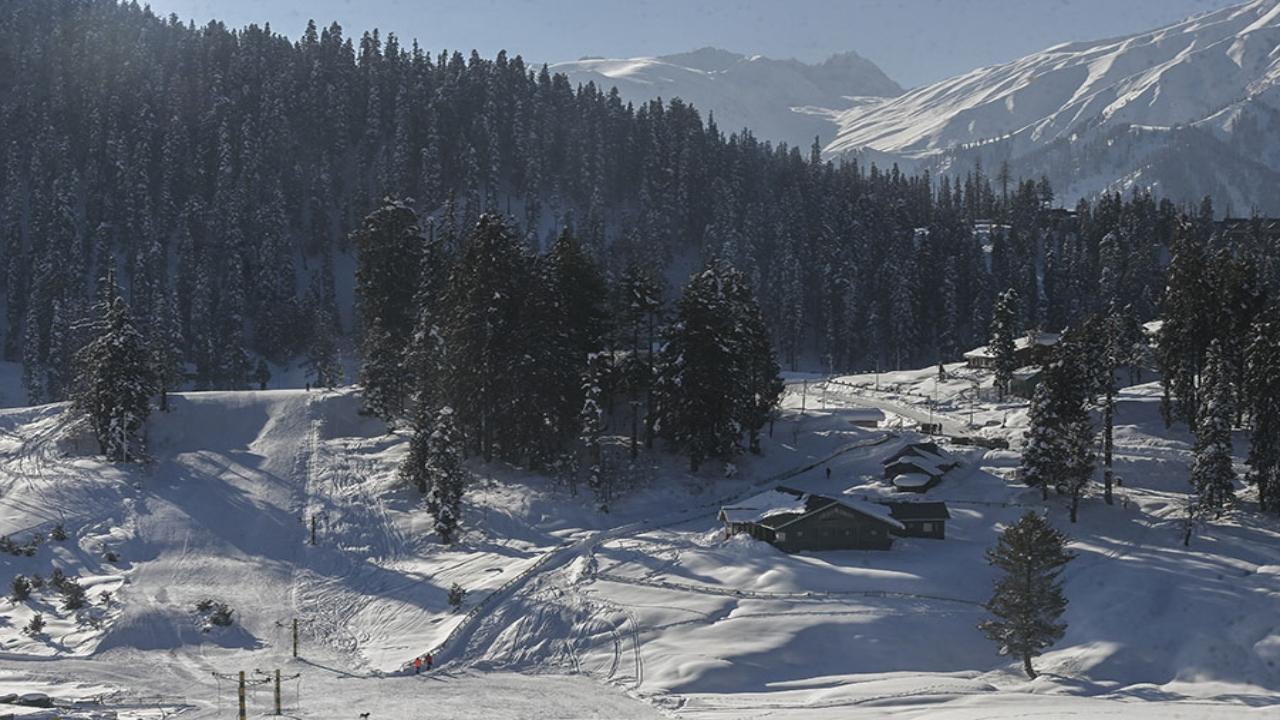
Gulmarg's snow season, typically lasting from late December to mid-March, attracts skiers worldwide.
6/17
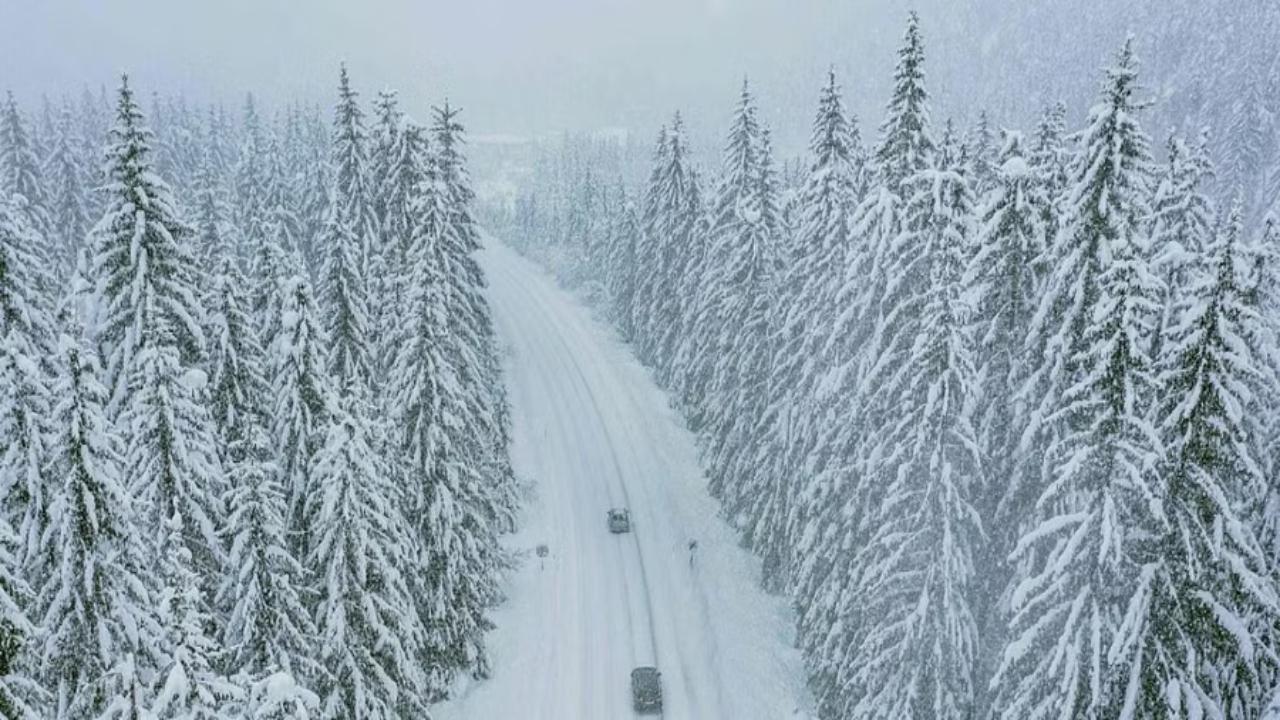
The Pir Panjal range of the Western Himalayas offers thousands of vertical meters for skiing, from gentle meadows for beginners to the challenging off-piste slopes of Apharwat Peak for advanced skiers.
ADVERTISEMENT

7/17
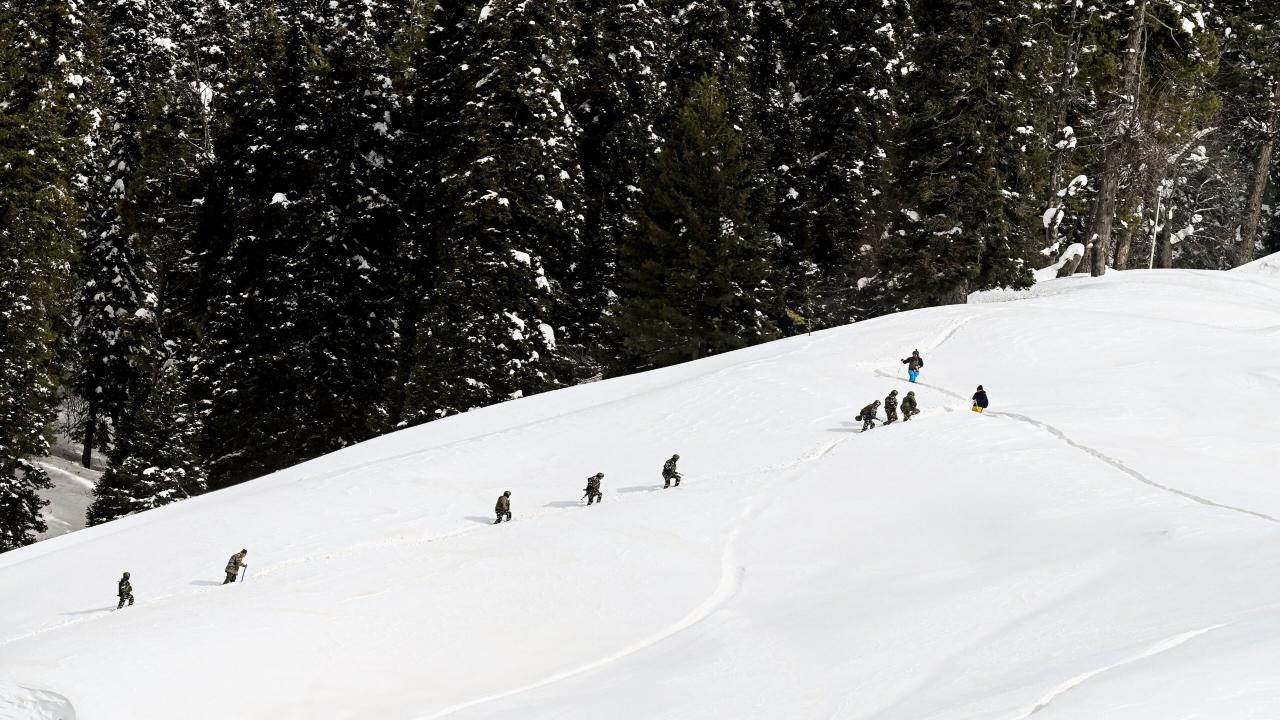
The lack of snow this winter, attributed to changes in western disturbances, has broader ecological and economic implications.
8/17
Western disturbances are vital for water security, agriculture, and tourism in the region.
ADVERTISEMENT
9/17
Rising temperatures and diminishing snowfall in Sonmarg and Pahalgam contribute to warmer winters, aligning with the Himalayas' higher-than-average rate of warming.
10/17
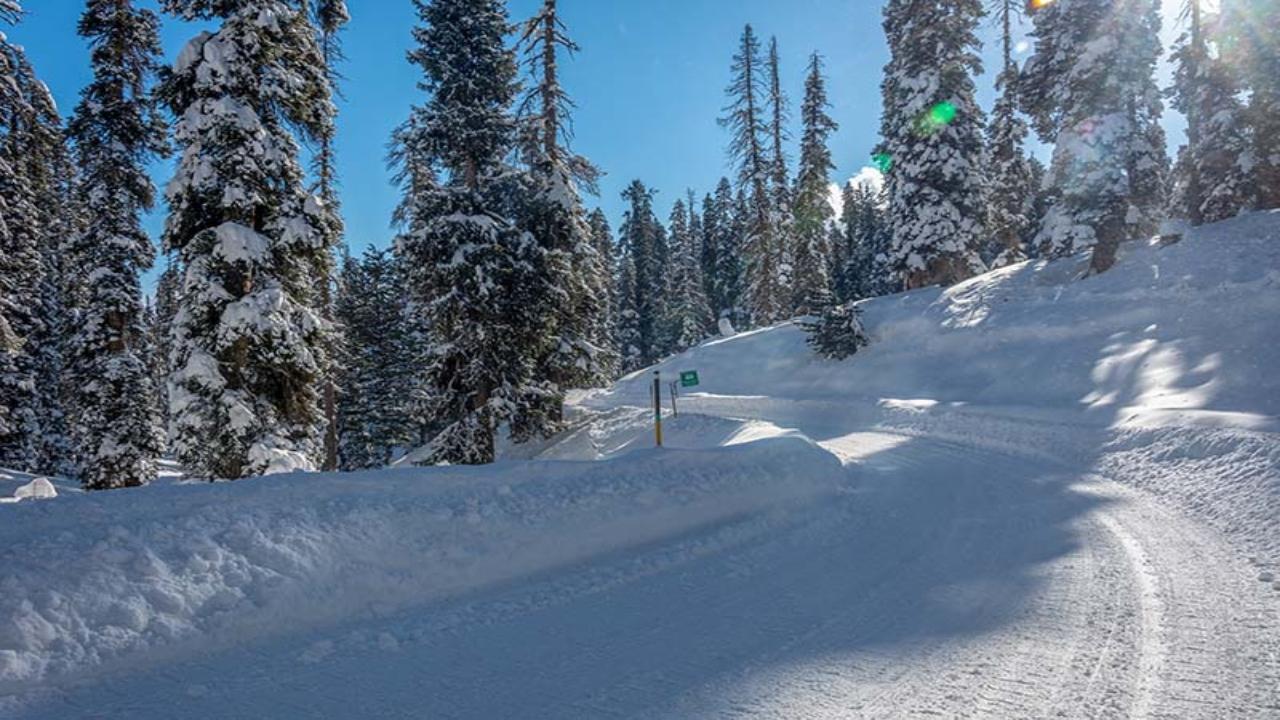
Winter snowfall traditionally recharges cryosphere reserves like glaciers and sea ice, crucial for water security in the region.
ADVERTISEMENT
11/17
The absence of significant snowfall in Gulmarg adversely affects winter sports, leading to economic challenges for skiing instructors, resort owners, and various stakeholders in the tourism industry.
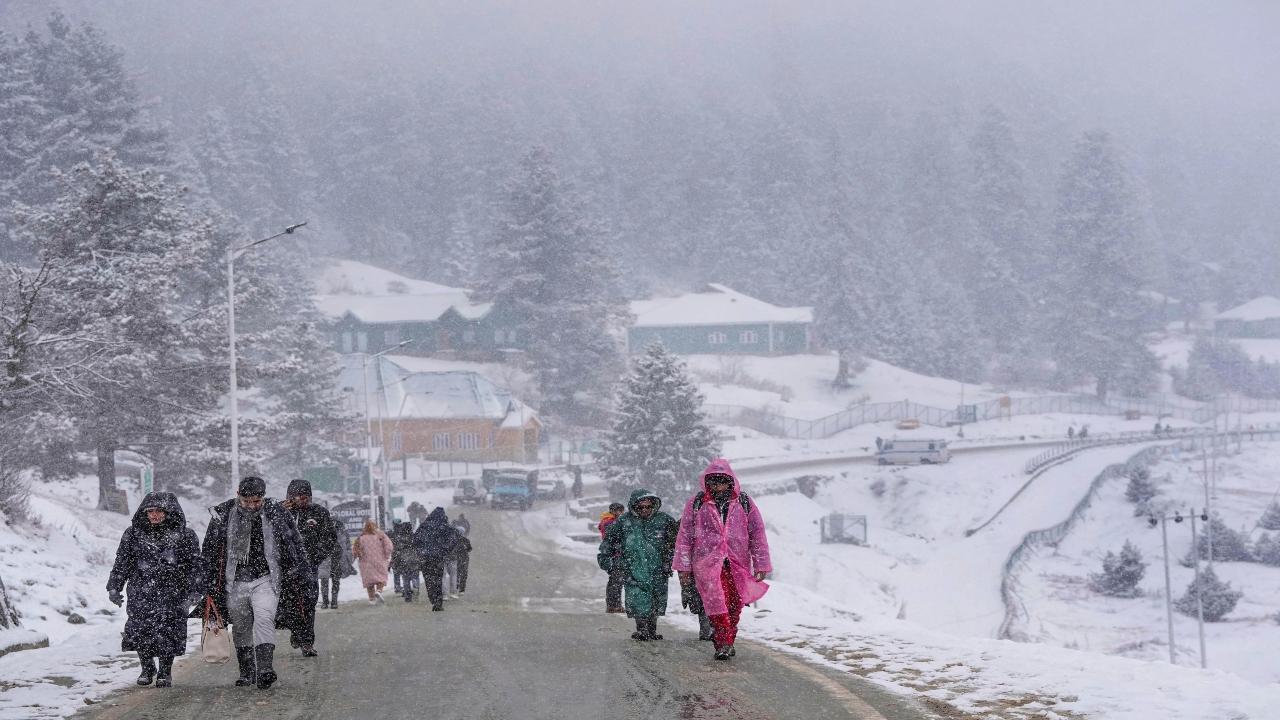
12/17
The decline in skiing and snowboarding activities impacts local and tourist influx, affecting revenue and exacerbating socio-economic challenges.
ADVERTISEMENT
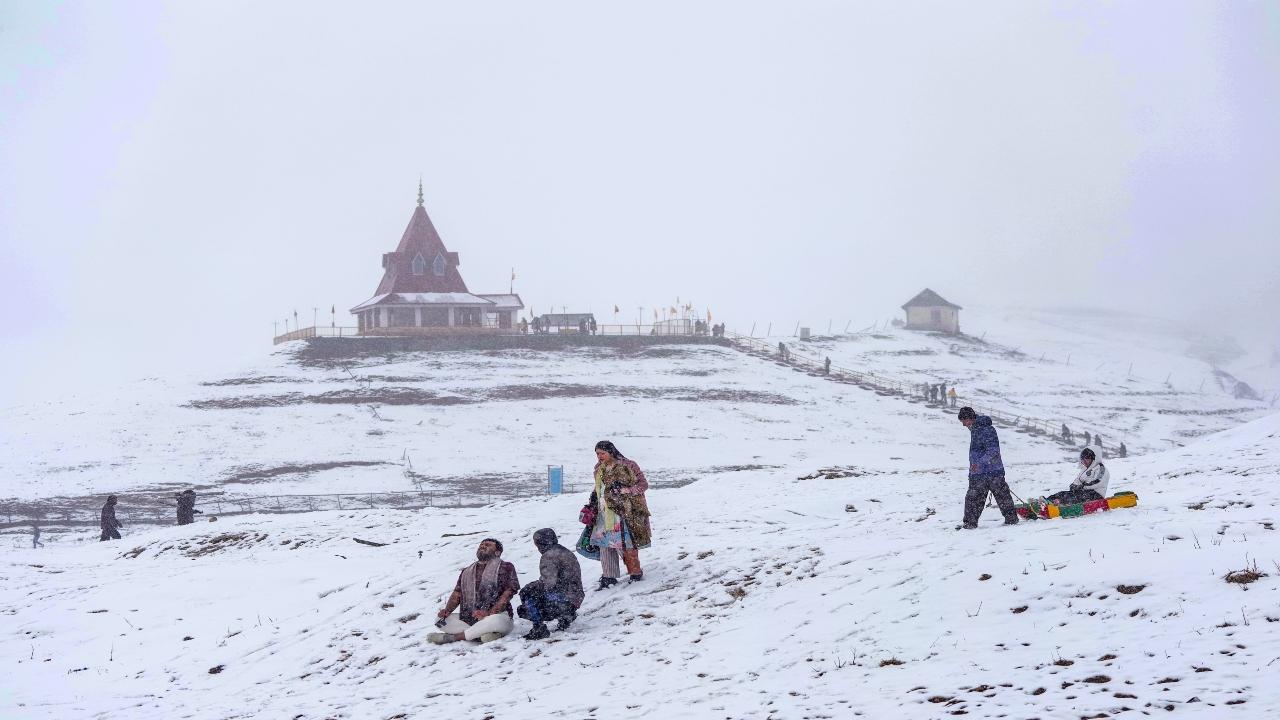
13/17
Skiing instructors, hoteliers, sledge riders, and others connected to the tourism industry face an uncertain future due to the unpredictable and diminishing frequency of snowfall.
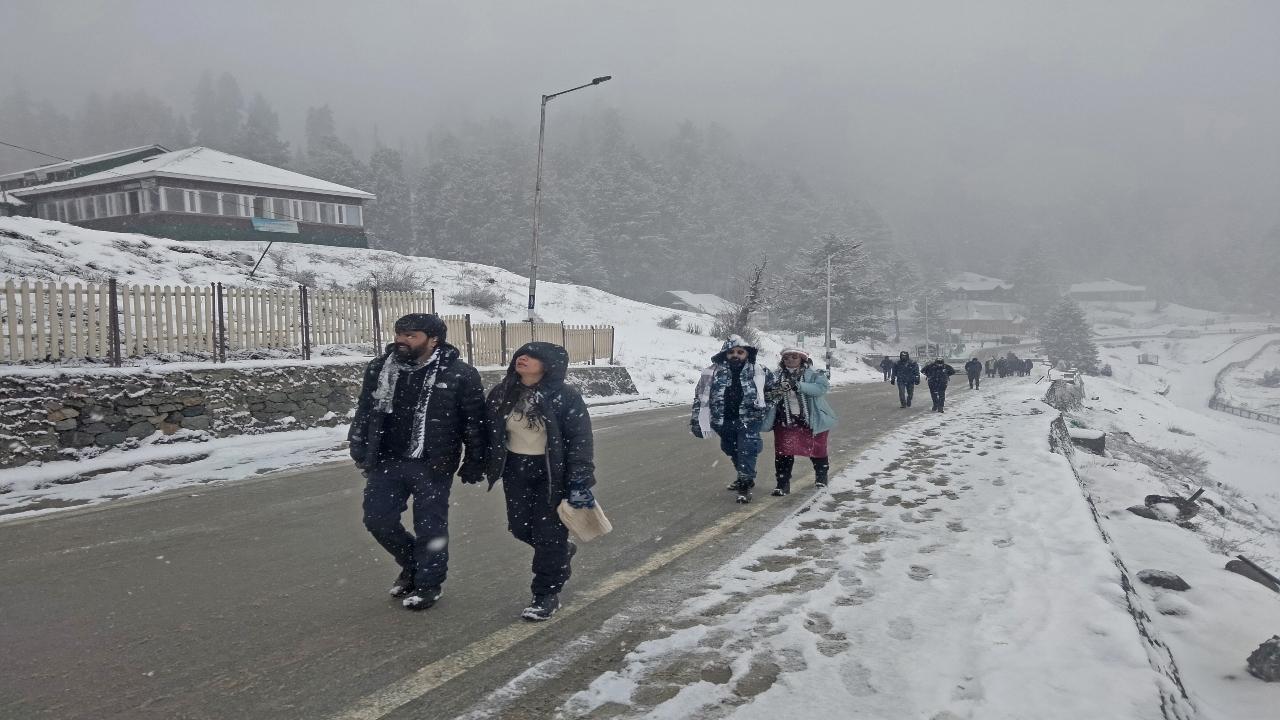
14/17
Ski resorts, once vibrant, now struggle to offer adequate slopes and activities, necessitating adaptation and alternative income sources for economic stability.
ADVERTISEMENT
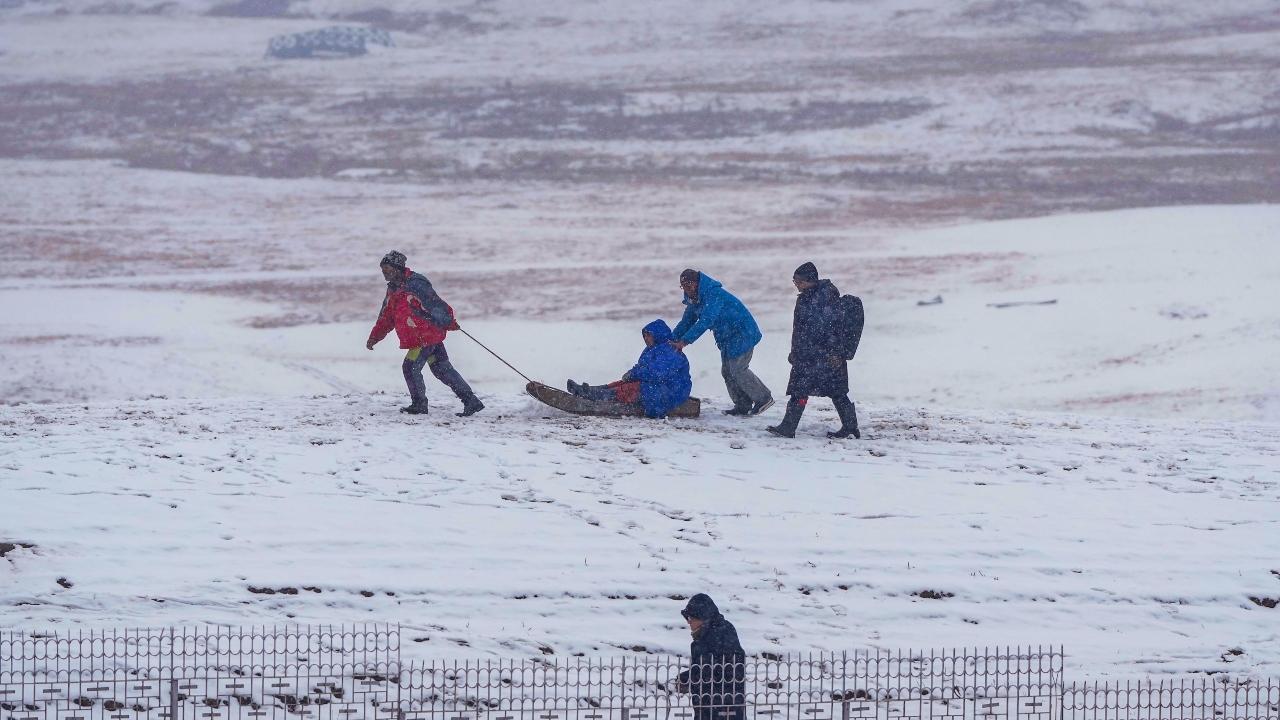
15/17
The picturesque valley of Kashmir, known for its pristine snow, grapples with a distressing trend of decreasing snowfall.
16/17
Ski instructors and other stakeholders, usually immersed in winter sports, now find themselves adapting to the changing landscape by playing cricket amidst deserted ski slopes.
ADVERTISEMENT
17/17
The region's vulnerability to climate change underscores the need for conservation efforts and sustainable practices to protect both the local economy and the fragile mountainous environment.
ADVERTISEMENT
Photo of Day

Silent checkmate
Roshan Diware (left) plays against Pragti Tupe while sisters Sarita Karde and Vaishali Savarkar watch, at the Mind Over Sight Chess Championship in Churchgate on Sunday. Pic/Ashish Raje
ADVERTISEMENT