Caste: ‘Theft of imagination’
Updated On: 04 August, 2024 06:52 AM IST | Mumbai | Meenakshi Shedde
So Equality Labs also conducts Unlearning Caste Supremacy workshops





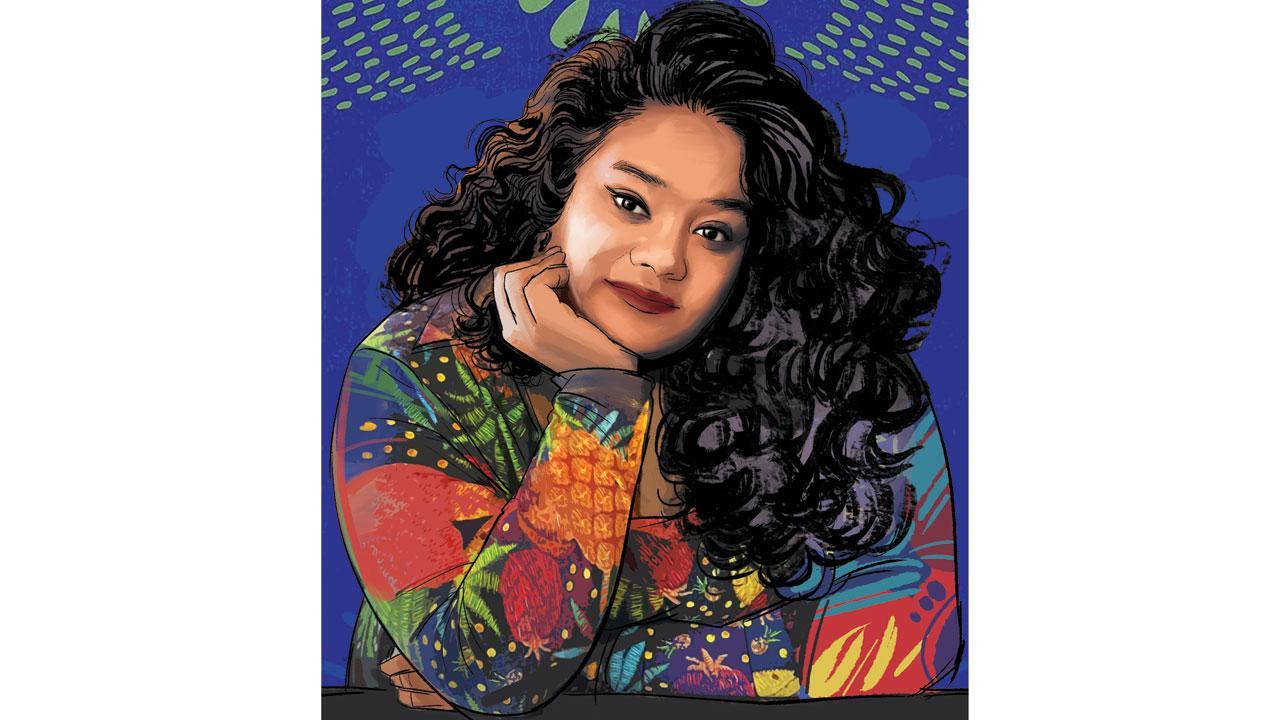
Illustration/Uday Mohite
 In A landmark ruling last Thursday, a Supreme Court Constitution Bench, including the Chief Justice of India DY Chandrachud, held that Scheduled Castes (SCs) and Scheduled Tribes (STs) can be sub-classified by States, to provide reservation quotas for the less privileged among them. This is by way of evidence-based affirmative action. Four judges also favoured excluding the “creamy layer”, or relatively economically better off, from the SCs and STs. Justice Pankaj Mithal also recommended that SC/ST reservation be limited to the first generation, if they reach a higher status through reservation. The ruling will open a can of worms, and refocus attention on the long standing demand for a caste-based census, which the government is fiercely resisting. India’s last declared caste census was in 1931; the 2011 census figures were not officially made public. But a Pew survey found that an overwhelming 68 per cent of India’s population were marginalised castes in 2021.
Affirmative action reform and implementation is long overdue in India, where there is increasing discrimination and violence against SCs/Dalits/STs. Yet, caste discrimination is international: a United Nations report said at least 250 million people worldwide faced caste discrimination, across religions, in 2016. In the US, Seattle was the first US jurisdiction to ban caste discrimination in February 2023. The California Assembly passed an anti-caste discrimination bill last August, but its governor vetoed it. Thenmozhi Soundararajan, Dalit American Founder-Executive Director of Equality Labs, a Dalit rights group based in Oakland, California, is one of the key leaders of the movement to end caste in the US (and India), including this initiative. Her sustained advocacy included a hunger strike, along with others. She refers to an Indian National Human Rights Commission report, which reveals that there is a crime against a Dalit every 18 minutes; and 67 per cent of Dalit women have experienced sexual violence. Dalits do not have free access to drinking water, to the temple, to eat with others, or even to enter a police station or get mail delivery. And imagine, the average life of a Dalit woman is just 39 years. In the US, her Equality Labs has created a landmark report, Caste in the United States, that emphatically confirmed the presence of caste discrimination in the US, and was a key basis for the legal action. Caste violence takes many forms, she observes, including murder, suicide, sexual violence, cyber hatred, and equally devastatingly, “the theft of the imagination.” So Equality Labs also conducts Unlearning Caste Supremacy workshops.
Trending Stories
Latest Photos
Latest Videos
Latest Web Stories
ADVERTISEMENT

Ganeshotsav 2026

ADVERTISEMENT