Home / News / World News / Article /
AI can predict disease risk years in advance using a single night’s sleep
Updated On: 07 January, 2026 06:42 AM IST | Stanford | Agencies
Researchers at Stanford Medicine have developed a new artificial intelligence system that can analyse detailed body signals from a single night of sleep and estimate a person’s risk of developing more than 100 different diseases



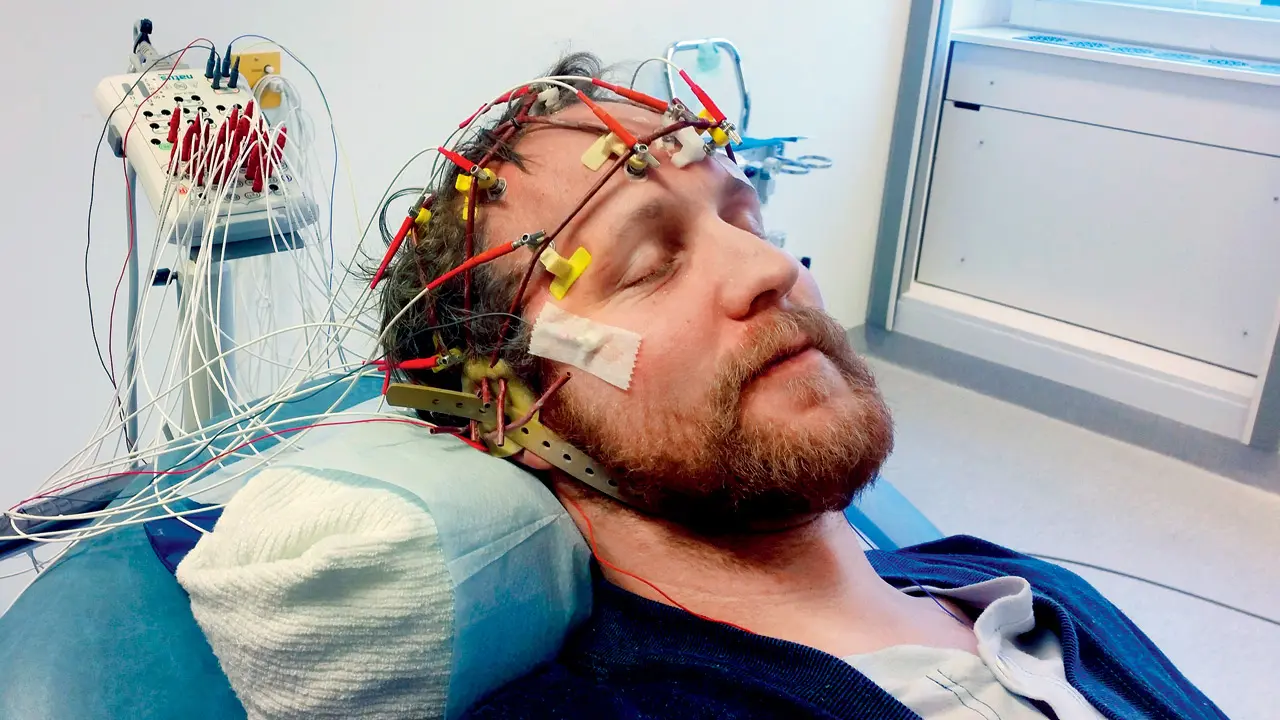
The test can track body functions. REPRESENTATION PIC/ISTOCK
A bad night of sleep leads to grogginess the next day, but may also point to serious health issues years before they appear. Researchers at Stanford Medicine have developed a new artificial intelligence system that can analyse detailed body signals from a single night of sleep and estimate a person’s risk of developing more than 100 different diseases.
The system, called SleepFM, was trained using nearly 600,000 hours of sleep recordings from about 65,000 people. These recordings came from polysomnography, an in-depth sleep test that uses sensors to track brain activity, heart rhythms, breathing patterns, eye movements, leg motion, and other physiological signals throughout the night.
Trending Stories
Latest Photos
Latest Videos
Latest Web Stories
ADVERTISEMENT
Mid-Day Fast
ADVERTISEMENT

ADVERTISEMENT