Home / News / World News / Photos /
IN PHOTOS: Kenya battles severe drought and rising hunger amid worsening crisis
Updated On: 27 January, 2026 01:51 PM IST | Tarun Verma
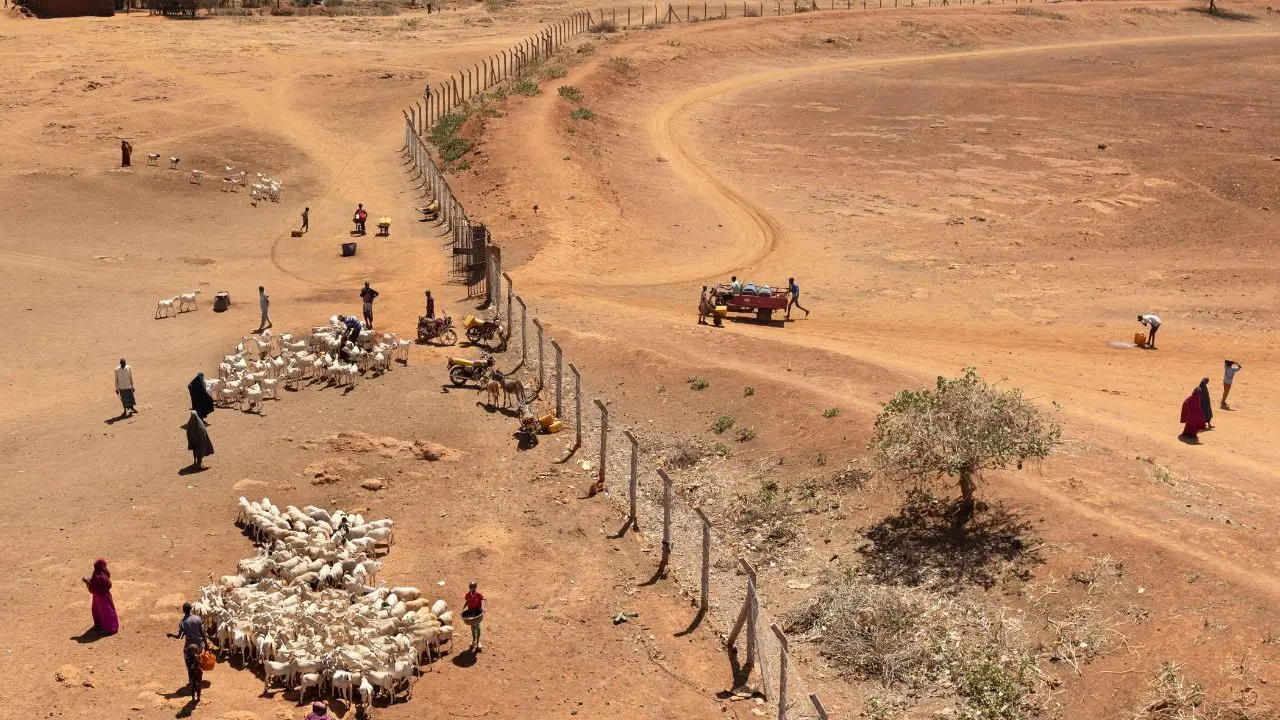
Over the past decade, Kenya has faced a prolonged and severe drought. Rising global temperatures have been a key factor, leaving millions of Kenyans struggling to grow crops and sustain their livestock and their lives disease free. Ten counties are already experiencing drought, with Mandera in the critical “alarm” phase after experiencing one of the driest October–December rainy seasons on record. Urgent coordinated action is needed to save lives as communities await the next rains. (Pics/AFP)



1/15
2/15
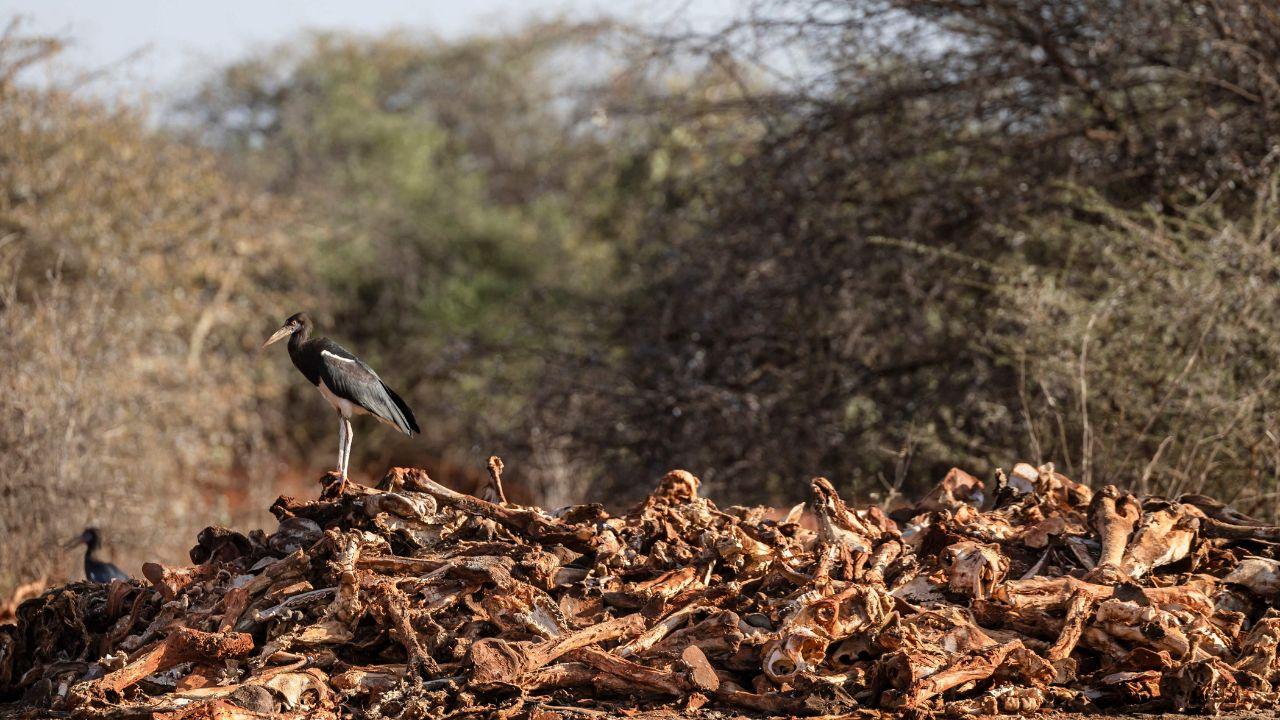
In northeastern Kenya, 10 counties face drought, with nine in “alert” and Mandera County in the “alarm” phase, has seen livestock deaths soar as prolonged drought devastates pastoralist livelihoods.
ADVERTISEMENT
3/15
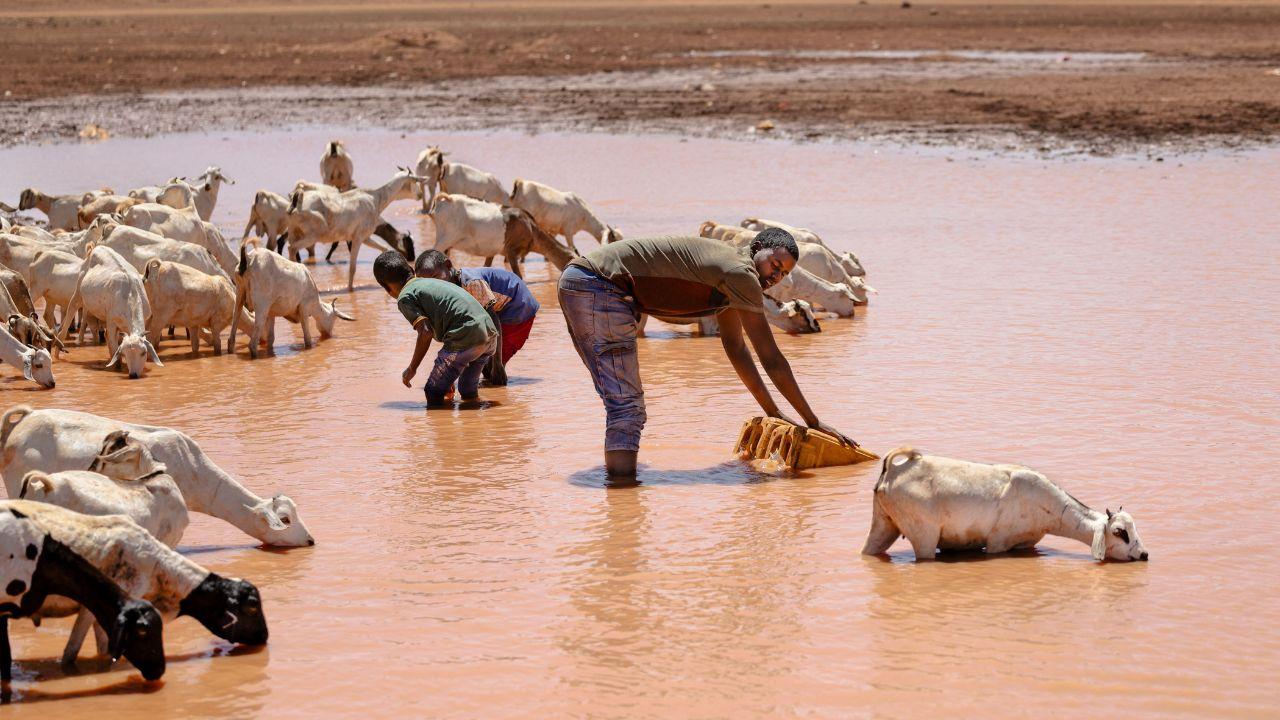
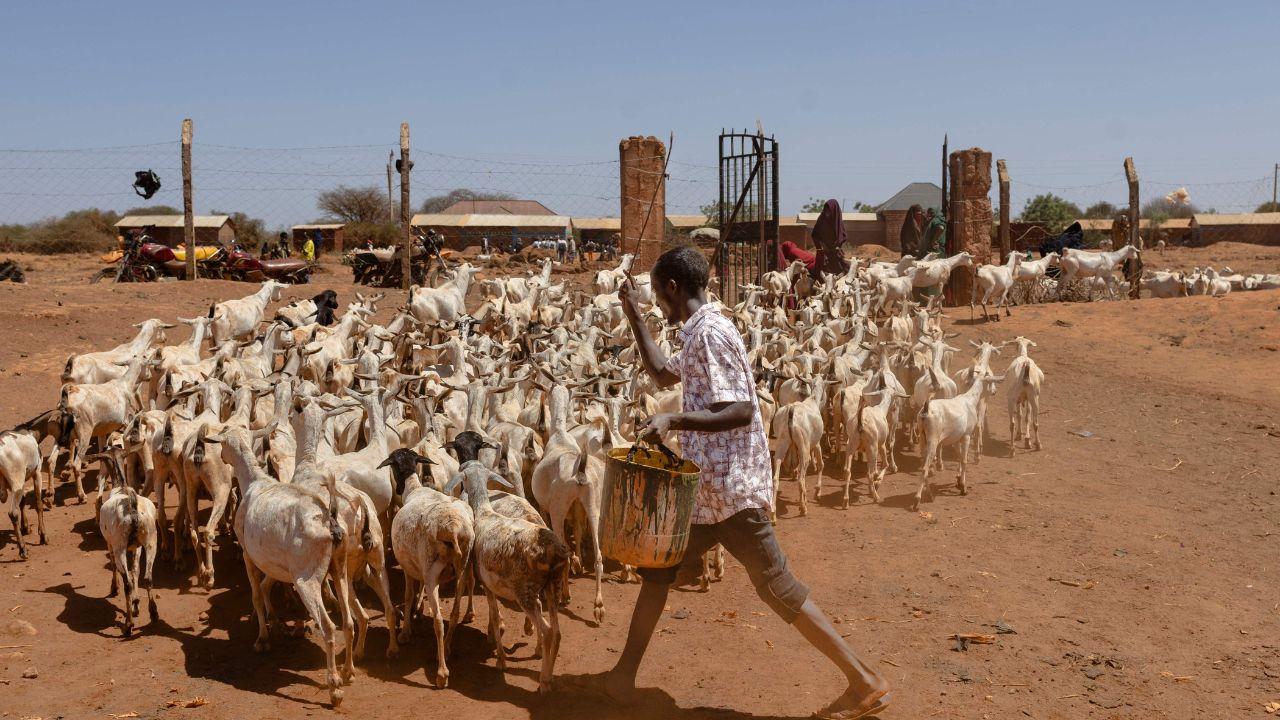
A drying water pan in Lulis village serves as the only water source for people and animals, with hardened soil raising flood risks when rains arrive
4/15
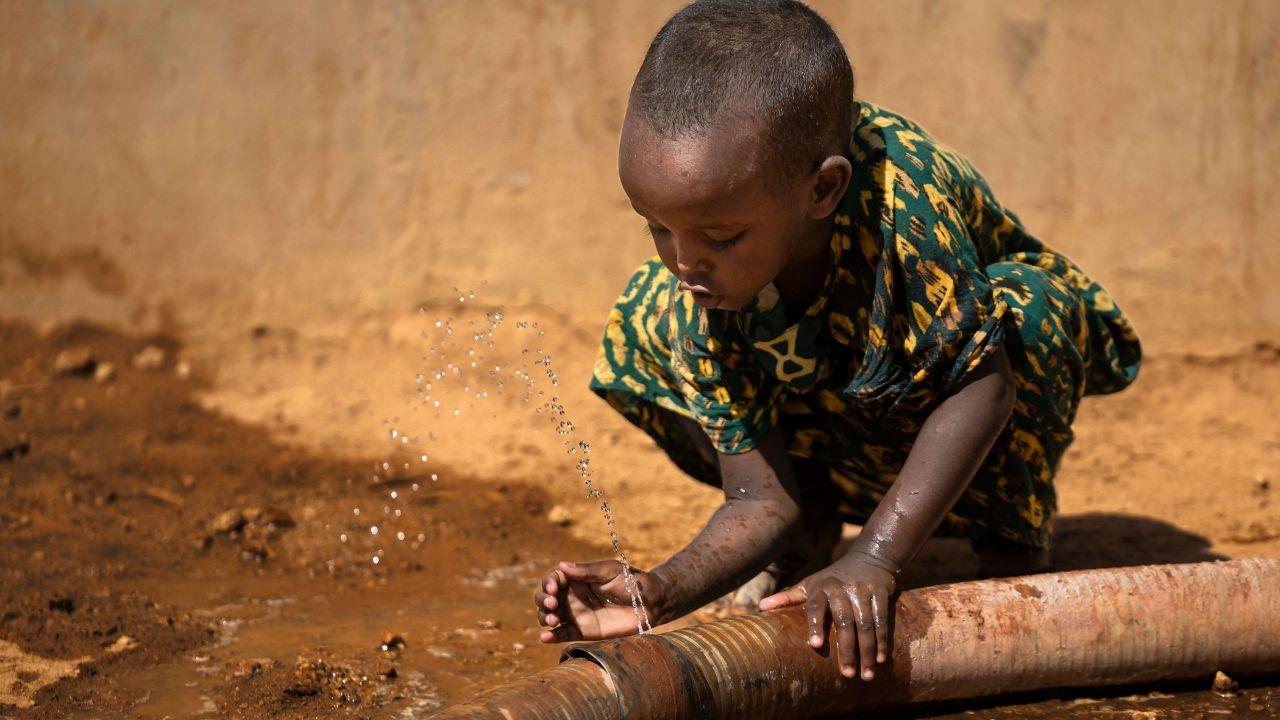
Drought induced heat and scarce vegetation concentrate disease vectors near water points, increasing risks of cholera, typhoid, and diarrhoeal diseases according to WHO
ADVERTISEMENT
5/15
A man herds goats away from the drying water pan, the only remaining source of water for residents and their livestock in Lulis village near Banissa
6/15
A young girl drinks from a leaking hose at a relief water point in Hawara, illustrating the risks of relying on unsafe water during severe scarcity
ADVERTISEMENT
7/15
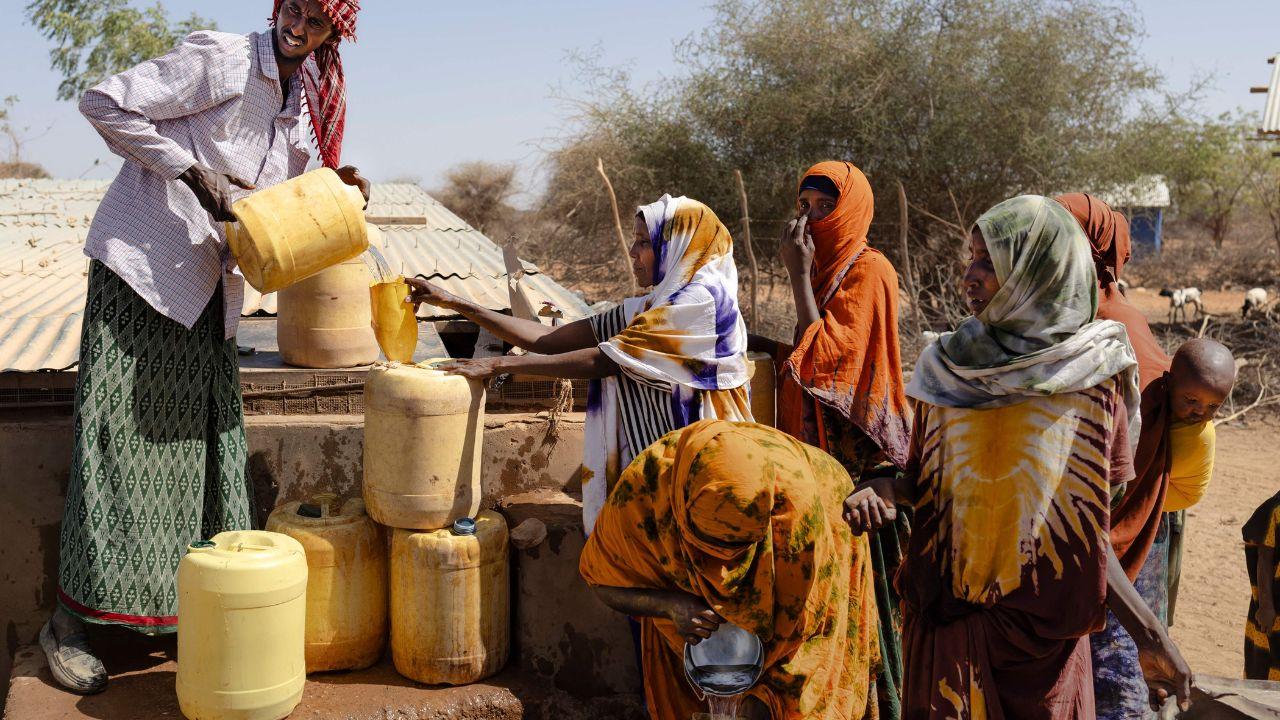
Residents collect water in jerrycans at a Kenya Red Cross distribution point, reflecting strained access as rainfall falls far below normal levels
8/15
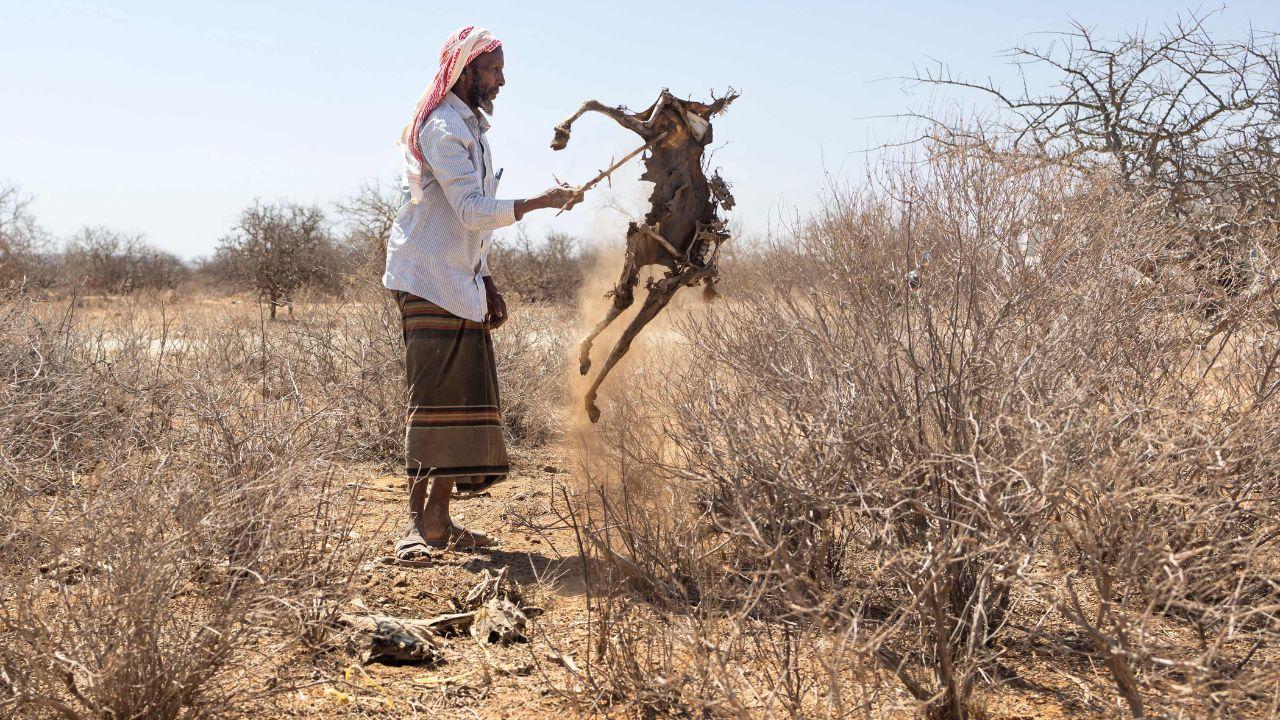
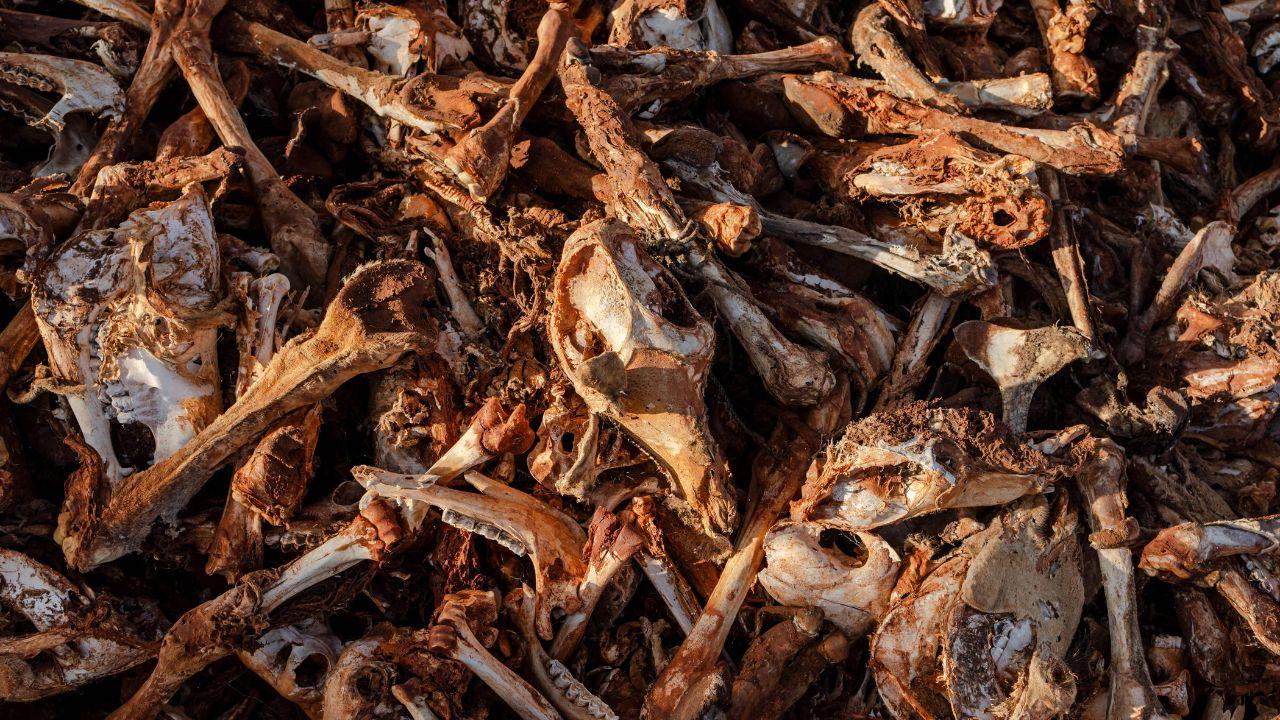
Abdirizak Gabow, 63, gathers goat carcasses to be burned later for sanitation purposes in Hawara village as to avoid scavenging hyenas from coming
ADVERTISEMENT
9/15
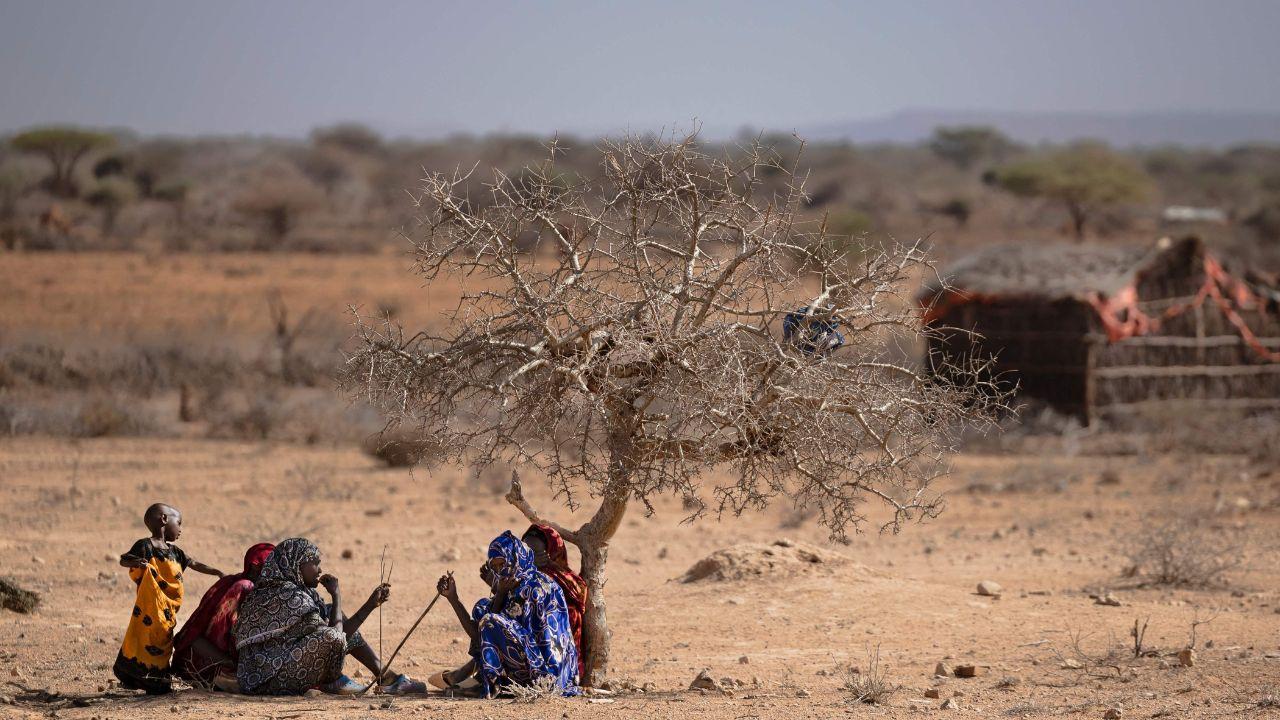
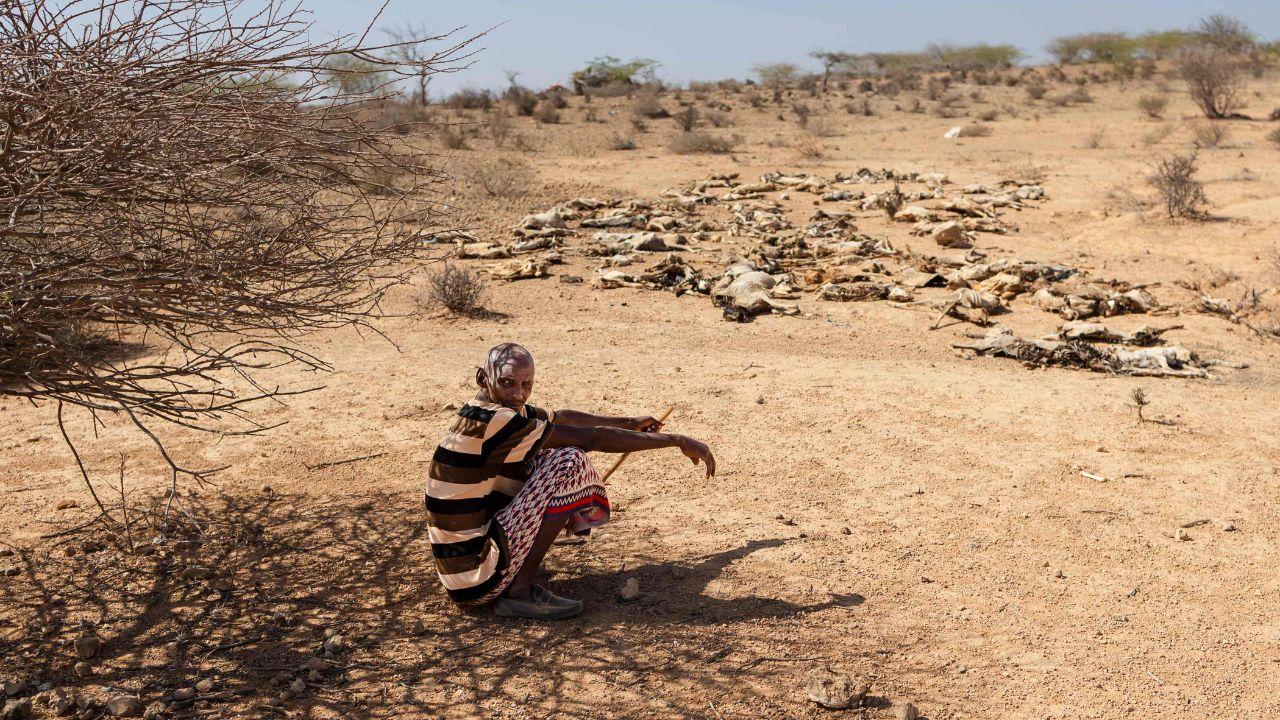
Bishar Maalim Mohammed, 60, rests in the shade of a dry scrub next to a cluster of goat carcasses outside his homestead in Jabi-bar village, showcasing extreme drought conditions
10/15
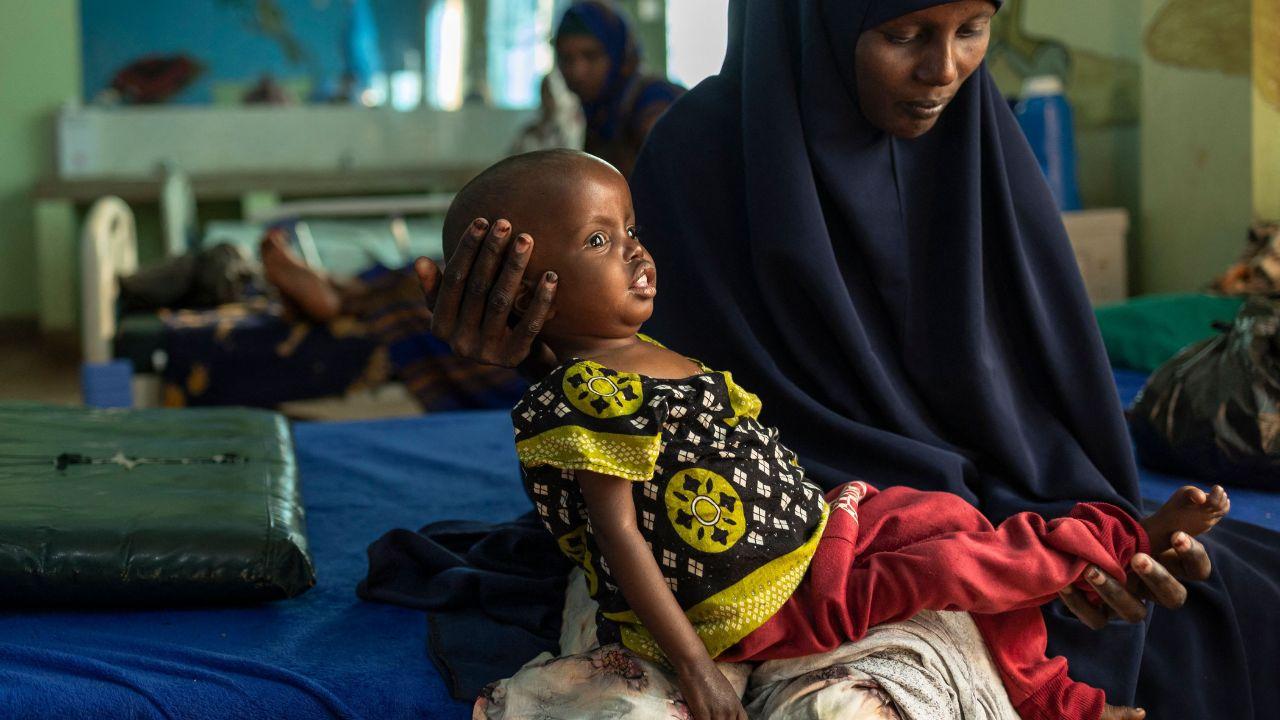
A mother holds her malnourished child at Banissa Hospital, highlighting how effects to livestock herds, which provide vital food source for pastoralist communities have left children and pregnant women at severe risk of acute malnutrition
ADVERTISEMENT
11/15
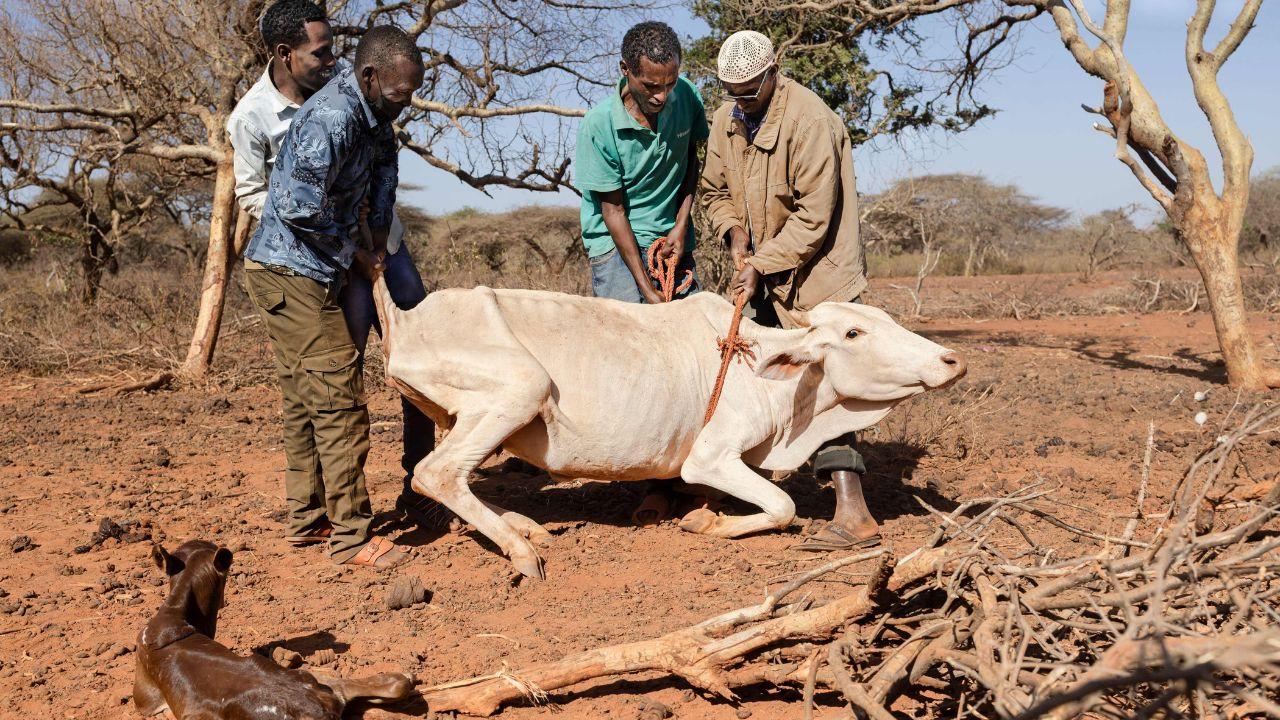
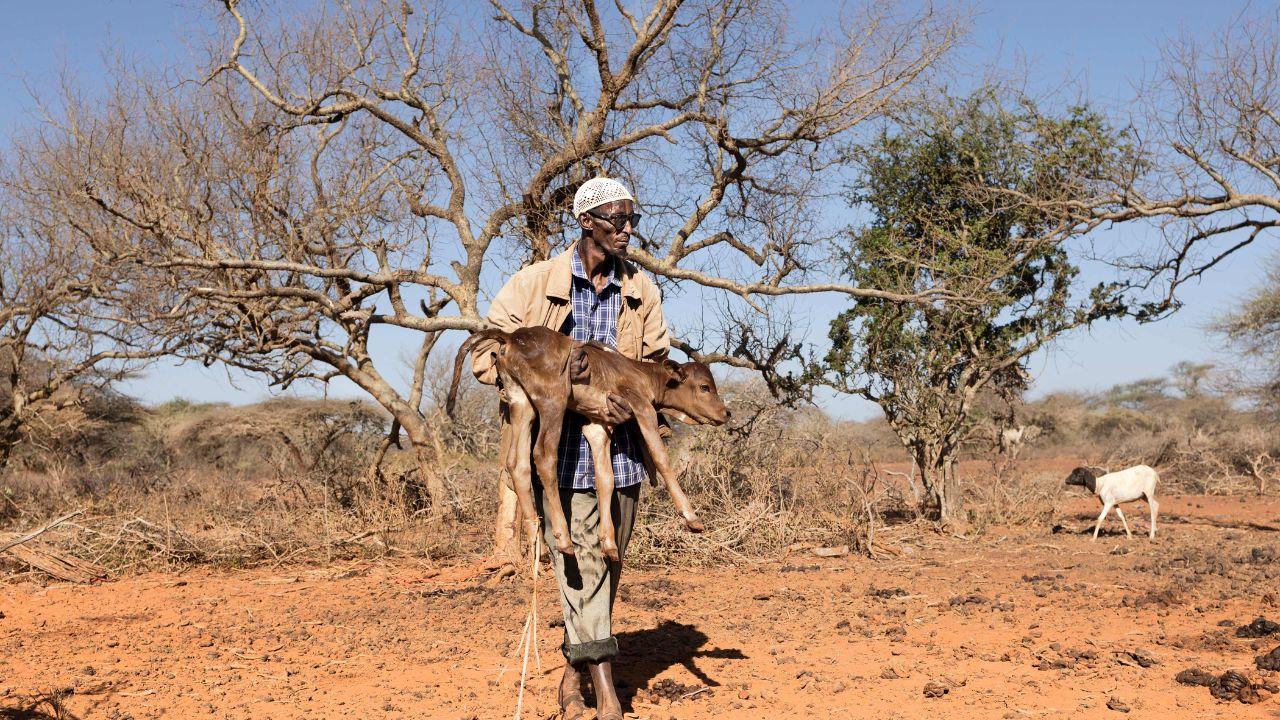
Abdi Nurrow Mohamed, 50, helps his only surviving cow stand who has grown very weak due to food and water shortage
12/15
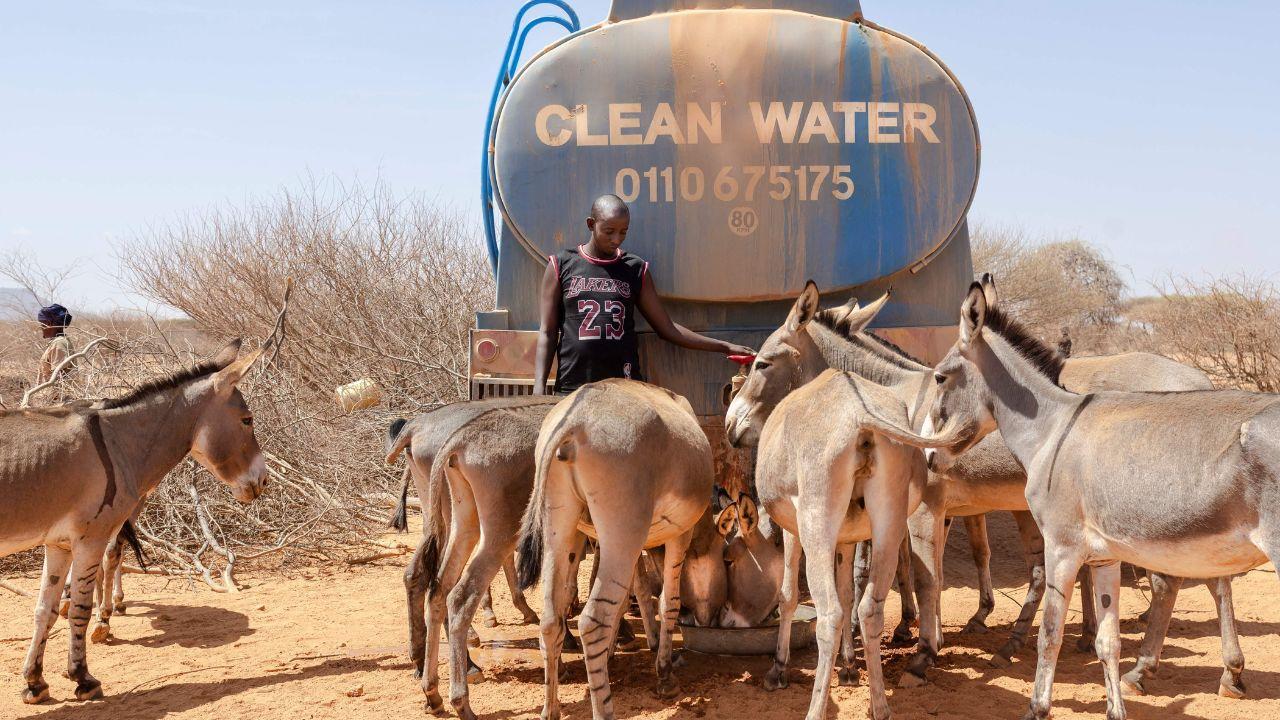
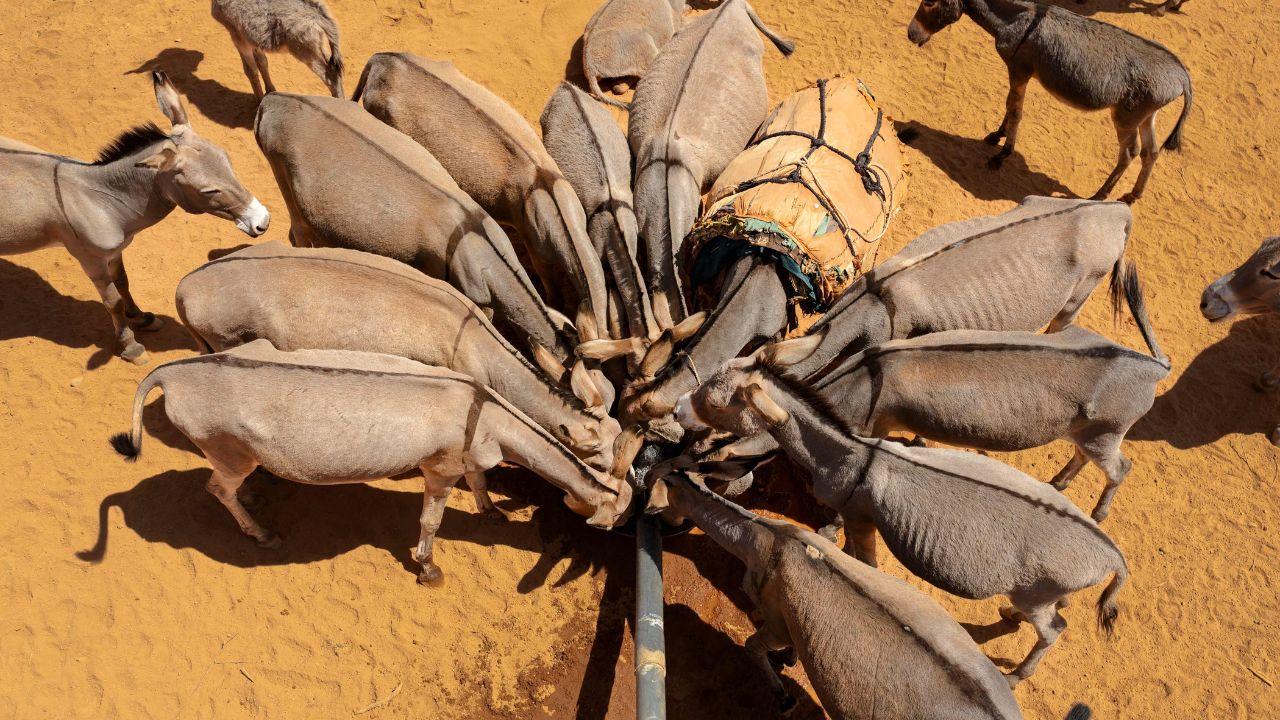
Donkeys drink from a small pail delivered by a relief truck, showing how livestock depend on limited aid amid worsening drought
ADVERTISEMENT
13/15
WHO-prepositioned emergency supplies, including cholera and pneumonia kits, reach only a fraction of people in urgent need and th crisis continues
14/15
Climate change is intensifying extreme weather, making droughts and floods more severe and unpredictable for Kenya’s vulnerable communities
ADVERTISEMENT
15/15
WHO calls on governments and agencies to mobilize urgently, ensuring safe water and food access before the next rains arrive
ADVERTISEMENT
Photo of Day

Silent checkmate
Roshan Diware (left) plays against Pragti Tupe while sisters Sarita Karde and Vaishali Savarkar watch, at the Mind Over Sight Chess Championship in Churchgate on Sunday. Pic/Ashish Raje
ADVERTISEMENT