Home / Entertainment / Web Series / Article /
Pakistani director Asim Abbasi: ‘Show gave me closure on my father’s loss’
Updated On: 07 July, 2024 02:54 PM IST | Mumbai | Mohar Basu
Deeming Barzakh as his most personal work to date, Pakistani director Abbasi on how the series explores otherworldly love and toxic masculinity





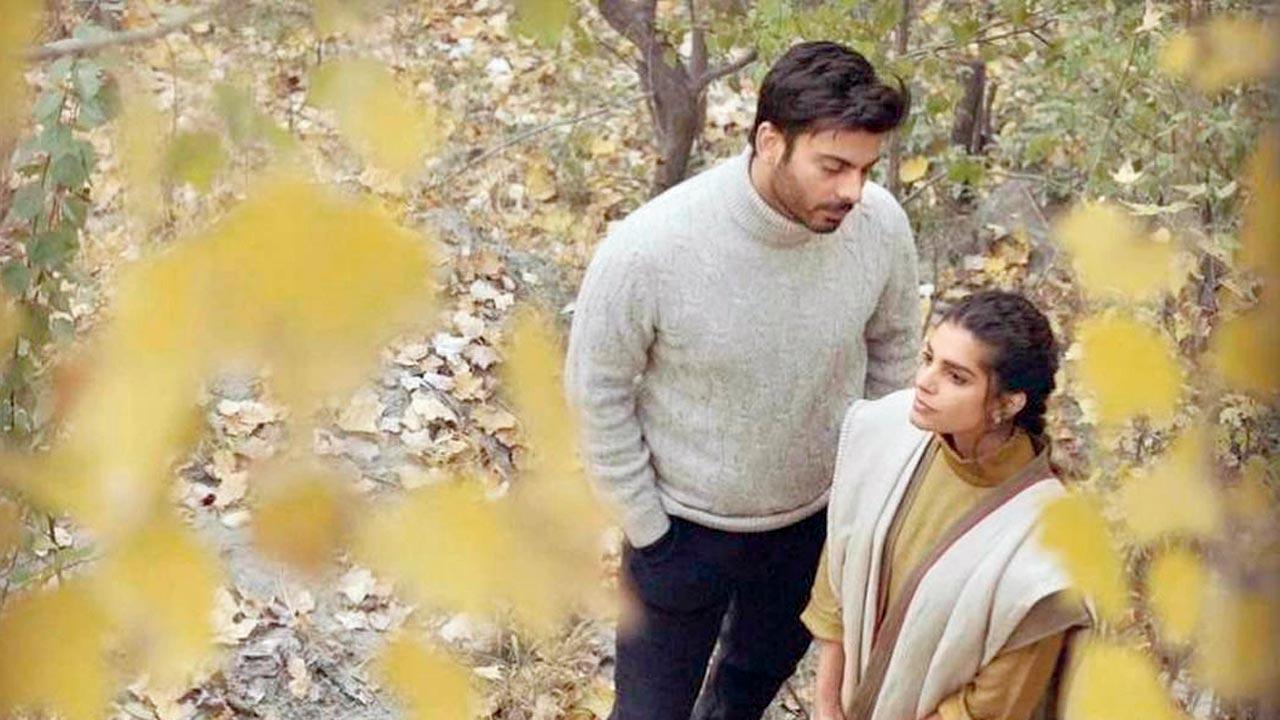
Fawad Khan and Sanam Saeed in Barzakh. Pics/Instagram
In Asim Abbasi’s world of creativity, there is space for stories of magic realism as well as children’s adventure. The Pakistani filmmaker recently directed an episode of BBC’s screen adaptation of Enid Blyton’s much-loved children’s book series, The Famous Five. “It’s my second project in the UK. I had to pick it up because the books and Enid Blyton are a big part of my children’s lives. It was fun, murder mystery, and kids saved the day sort of a story. It’s so different from what I direct,” starts the filmmaker.
It is surely at odds with Barzakh, Abbasi’s upcoming series. The Fawad Khan and Sanam Saeed-starrer is an expansive world rooted in shamanism, as it revolves around a 76-year reclusive man who invites his children and grandchildren to celebrate his union with the spirit of his true love. “Barzakh means a state of limbo. It’s a metaphor for the series’ supernatural theme. But even the humans in the series are in limbo. They haven’t dealt with their past and are unable to move forward. I wanted to take forward the idea of toxic masculinity from Churails [2020]. Now, it’s from the gaze of the men who carry these toxic traits,” he explains. Making the show is also his way of moving forward. “On a personal level, this show is my closure. I had written Cake [2018] as a response to my father’s ageing. I was halfway through Churails when I lost him. Barzakh is me trying to deal with him leaving. This is my most personal work.”
Trending Stories
Latest Photos
Latest Videos
Latest Web Stories
ADVERTISEMENT

Ganeshotsav 2026

ADVERTISEMENT