






Is your favourite book obscene?
Updated On: 27 August, 2016 11:40 AM IST | | Dipanjan Sinha
<p>As Urdu author Abdul Rahman Abbas decides to take on the obscenity law, here’s looking at how censorship has ailed literature in India</p>

Listen to this article :
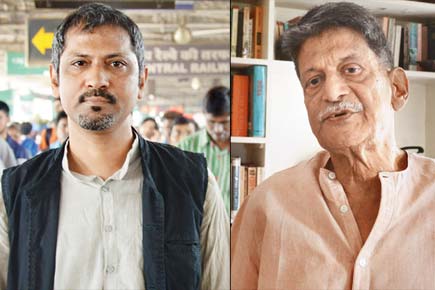
 Last week, Urdu author, Abdul Rahman Abbas emerged victorious in a decade-long court case. Two paragraphs of his novel, Nakhlistan Ki Talash was found obscene by a girl student in 2005 and a case was lodged against it. In the decade of the struggle, Abbas even spent a night in jail. After he emerged victorious, he decided to fight on. Because the fight, he points out, is a larger one. “It is a strange law to have where anyone can find something obscene and a writer is dragged to court,” the Mumbai-based author says. He points out that books charged under this law almost form a hall of fame, with Saadat Hasan Manto and Ismat Chughtai leading from the front. “This is a British law, which emerged from a morality that doesn’t originate in India but imposed on us. Why should we continue to use it?” Abbas finds echo in Jadavpur University professor, Abhijit Gupta, who teaches a course on censorship in literature. Gupta says that this law, that came from the Obscene Publications Act of 1857 of the colonial United Kingdom has been done away with there.

Abdul Rahman Abbas and Kiran Nagarkar
Read Next Story
Trending Stories
Latest Photos
Latest Videos
Latest Web Stories
ADVERTISEMENT
Mid-Day Fast
ADVERTISEMENT

ADVERTISEMENT