






Studies on human behaviour can be used in making automated cars safer: Report
Updated On: 27 December, 2021 05:18 PM IST | Mumbai | ANI
According to a new research published in Computational Brain & Behavior Journal, neuroscientific theories of how the brain makes decisions can be used in automated vehicle technology to improve safety and make them more human-friendly

Listen to this article :
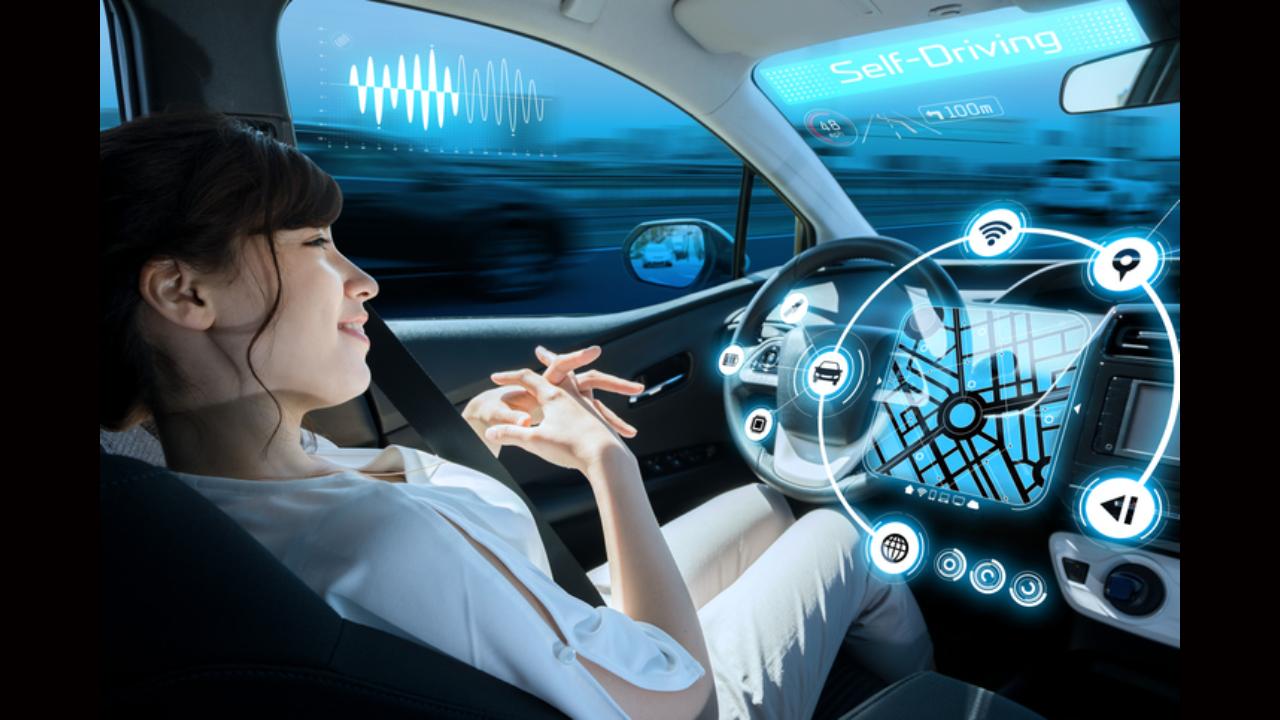
Image for representation: iStock
A new research published in the 'Computational Brain & Behavior Journal' has found how automated vehicles could be made more pedestrian-friendly.
University of Leeds-led scientists investigating how to better understand human behaviour in traffic said that neuroscientific theories of how the brain makes decisions can be used in automated vehicle technology to improve safety and make them more human-friendly. The researchers set out to determine whether a decision-making model called drift-diffusion could predict when pedestrians would cross a road in front of approaching cars and whether it could be used in scenarios where the car gives way to the pedestrian, either with or without explicit signals.
Trending Stories
Latest Photos
Latest Videos
Latest Web Stories
ADVERTISEMENT
Mid-Day Fast
ADVERTISEMENT

ADVERTISEMENT