






World Cleanup Day 2022: Why E-waste management is crucial for sustainability?
Updated On: 17 September, 2022 10:02 AM IST | Mumbai | Sarasvati T
E-waste significantly contributes to the total waste Mumbaikars generate, while only one percent of it gets formally treated. Experts highlight the need to manage e-waste and how one can individually segregate and help in recycling electrical components

Listen to this article :
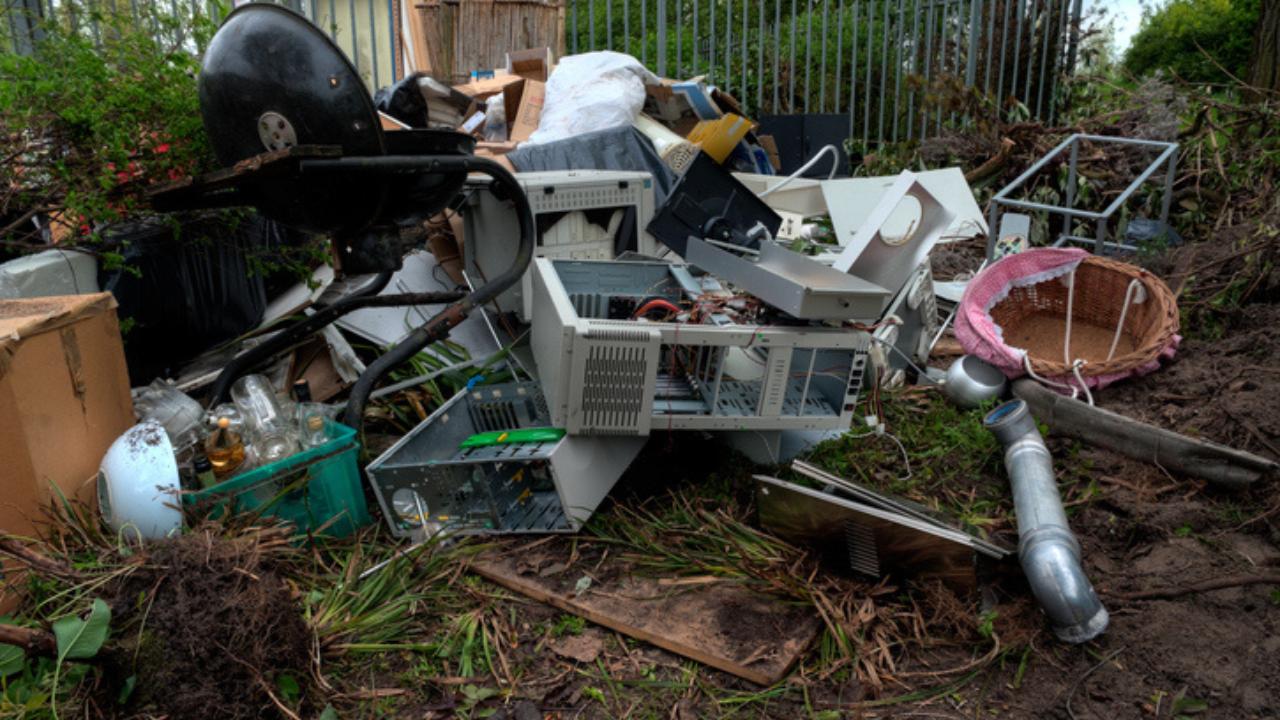
E-waste enters the landfills through informal channels and incorrect methods of disposal. Image credit: iStock
Electronic waste or e-waste refers to old and discarded electrical or electronic equipment or components, which are not used by the owner anymore. A global rise in e-waste and its impact on the environment is one of the major hindrances to attaining the sustainable goals of clean waste, management of hazardous waste, sanitation and good health by 2030.
According to the ‘Global E-waste monitor report 2020’ by the United Nations Institute of Training and Research, the global quantity of e-waste is increasing at an alarming rate of almost 2 Mt per year. In 2019, a record 53.6 million Mt of electronic waste was generated worldwide, up 21 per cent in just five years and India contributed 3.2 kilo tonnes to it, with only one percent of it being formally collected.
Buy now to read the full story.
For any queries please contact us: E-mail: support@mid-day.com
Trending Stories
Latest Photos
Latest Videos
Latest Web Stories
ADVERTISEMENT
Mid-Day Fast
ADVERTISEMENT

ADVERTISEMENT