






Replace food colours with these chef-backed natural alternatives
Updated On: 23 July, 2024 11:36 AM IST | Mumbai | Ainie Rizvi
With Karnataka banning the artificial food colour, Rhodamine-B, we explore Mumbai`s eateries and bakeries to uncover what imparts hues to their food items. Also, chefs share tricks to incorporate natural food colours

Listen to this article :
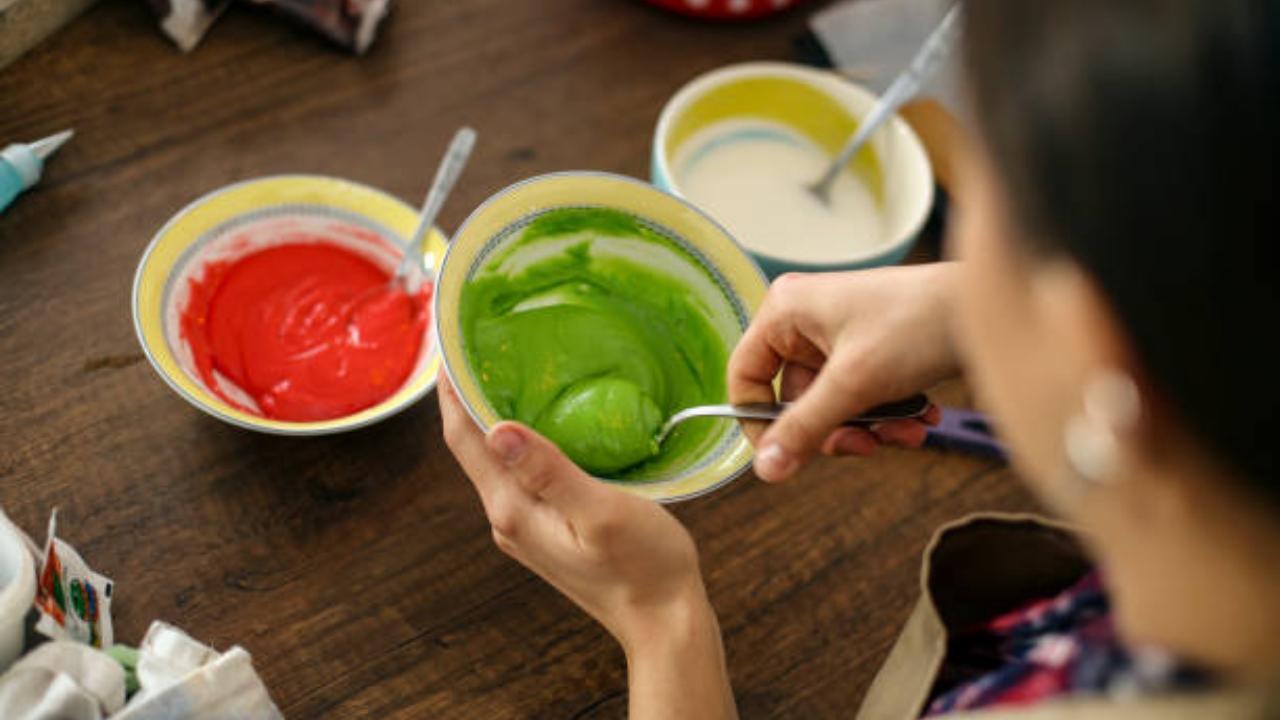
Chefs suggest starting by selecting natural food colourings that blend well with your dish. Image courtesy: iStock
Did you know that cotton candy’s soft pink shade is derived from tartrazine dye, sunset yellow colouring and Rhodamine-B? The last being declared unsafe by the Food Safety and Standards Authority of India (FSSAI) owing to its inferior quality, which poses risks to public health. One can only begin to imagine where popular treats like kala khatta, falooda, butter chicken or even a luscious pao bhaji get their vibrant shades from.
With artificial food colouring turning a cause of concern, Karnataka’s state government recently announced a ban on Rhodamine-B, often used in food items like cotton candy and gobi manchurian. While this reveals one of the many food colourants that unknowingly find a way into our plates, there is still scope to further distance ourselves from the appeal of using artificial dyes. To uncover the alternative natural dyes used to attain the same hues and visual appeal, Midday took a dive into Mumbai and Delhi-based restaurants and bakeries.
Natural food colours to try
Chef Manoj Pandey from The Piano Man, Gurugram, utilises an array of natural alternatives to achieve vibrant colours in his food preparation. For a golden hue, he incorporates turmeric into his signature turmeric rice, infusing it with both colour and a subtle earthy flavour. The rich, yellow tint not only enhances the visual appeal but also adds a nutritious element to the dish.
Buy now to read the full story.
For any queries please contact us: E-mail: support@mid-day.com
Trending Stories
Latest Photos
Latest Videos
Latest Web Stories
ADVERTISEMENT
Mid-Day Fast
ADVERTISEMENT

ADVERTISEMENT