Home / Lifestyle / Health & Fitness / Article /
Are samosas healthy? Mumbai health experts give you a reality check
Updated On: 02 August, 2025 11:30 PM IST | Mumbai | Nascimento Pinto
Time and again, Indian snacks are subject to scrutiny, especially when they are sold on the street, not only for their hygiene but also for their contribution to a person’s health. As the samosa comes into the spotlight this week, Mumbai health experts dive into the nutrition factor, and even suggest tweaks to continue enjoying it



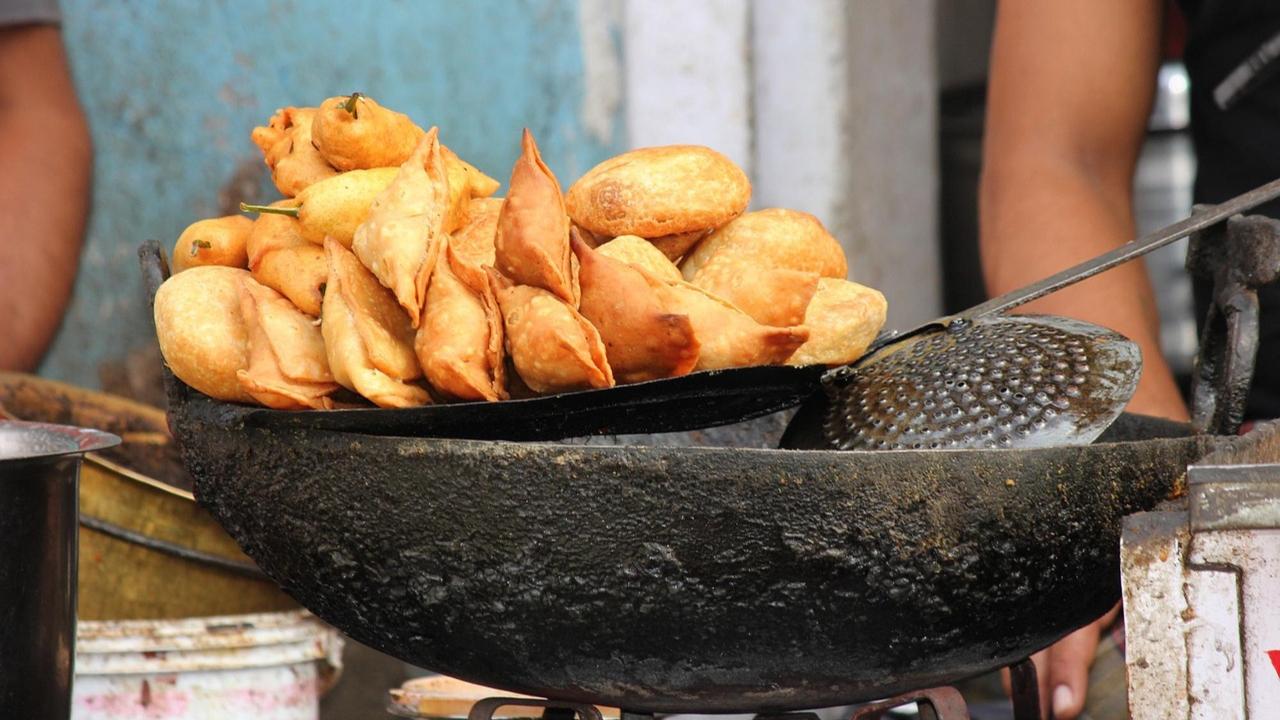
Samosas have been in the news in the last few weeks for more than one reason. Image for representational purpose only. Photo Courtesy: Pixabay
Indian snacks are delicious, if not mouthwatering, and that is what makes them irresistible, especially the classic vada or samosa pav in Mumbai that have become synonymous with street food here. While the vada pav is a guarded treasure in the Maximum City, samosas have been in the news in the last few weeks. In July, it was about the apparent need for health labels on the Indian fried snack apart from jalebi, to promote healthy choices by highlighting the risks, and this week, Ravi Kishan brought up the samosa, along with dal tadka, during the zero hour of the Monsoon Session in the Lok Sabha.
The BJP MP and actor highlighted the samosa prices and portion size, and the unique need for uniformity across India. With the samosa in the spotlight again, the snack’s contents and health benefits are constantly looming large above our heads. It is not only at the governance level but also looked down upon in fitness circles. To put it to rest, mid-day spoke to health experts to understand if the samosa passes the ‘health’ check.
Health benefits and nutrition
Gulnaaz Shaikh, chief dietitian at KIMS Hospitals in Thane, says, “Traditional samosas are not considered particularly healthy. While they do contain some nutrients from the potato and pea filling—like fibre, vitamin C, and a small amount of protein—the health downsides outweigh the benefits.” This is because the outer crust is usually made from refined flour (maida), she highlights, which is low in nutritional value, and they’re deep-fried in oil, making them high in saturated fat and calories.
Trending Stories
Latest Photos
Latest Videos
Latest Web Stories
ADVERTISEMENT
Mid-Day Fast
ADVERTISEMENT

ADVERTISEMENT