






Home / Lifestyle / Health & Fitness / Article /
Clot risk stays for year after Covid-19 in those who aren't hospitalised: Study
Updated On: 22 September, 2022 12:45 PM IST | New Delhi | IANS
Researchers suggest that preventive strategies, such as giving high-risk patients medication to lower blood pressure, could help reduce cases of serious clots

Listen to this article :
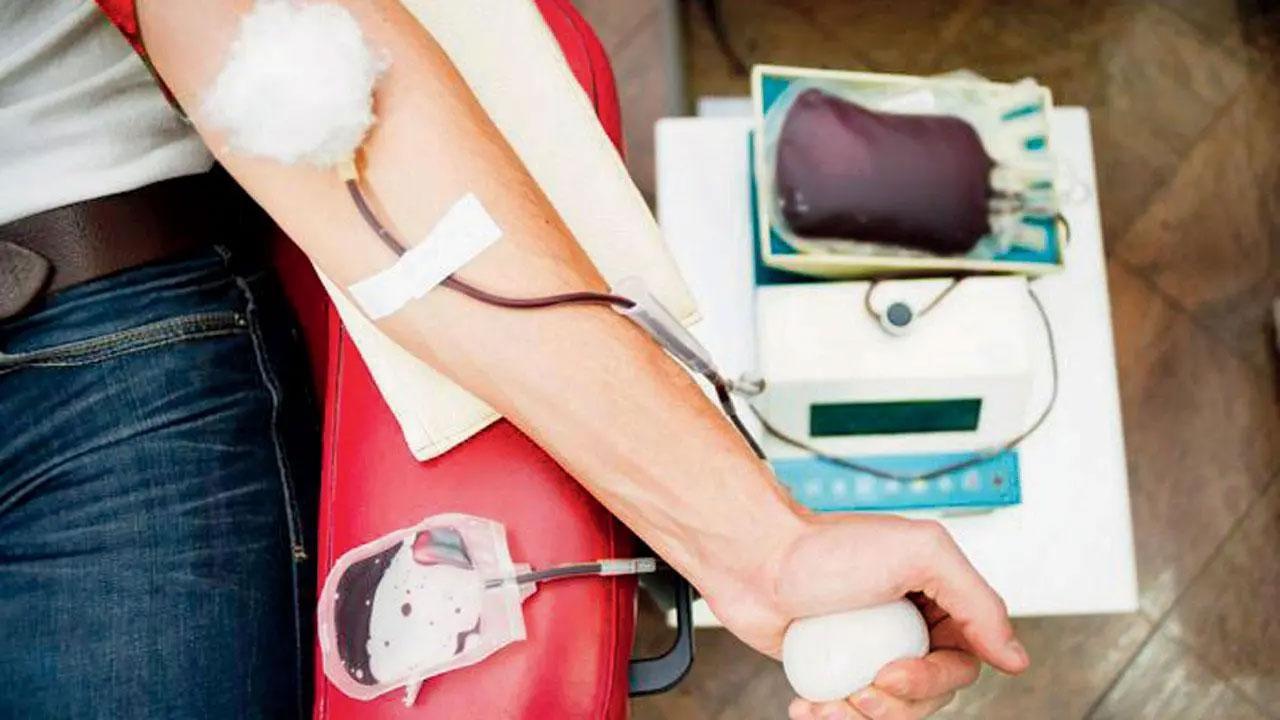
Representative Image
Covid-19 infection increases the risk of potentially life-threatening blood clots for at least 49 weeks or almost a year, even in those who do not get hospitalised, researchers have warned. The findings suggest that the pandemic may have led to an additional 10,500 cases of heart attacks, strokes, and other blood clot complications such as deep vein thrombosis in England and Wales in the UK in 2020 alone, although the excess risk to individuals remains small and reduces over time.
The research - involving a large team of researchers led by the Universities of Bristol, Cambridge, and Edinburgh, and Swansea University - shows that people with only mild or moderate disease were also affected. The authors suggest that preventive strategies, such as giving high-risk patients medication to lower blood pressure, could help reduce cases of serious clots, according to the study of health records of 48 million unvaccinated adults from the first wave of the pandemic published in the journal Circulation.
Trending Stories
Latest Photos
Latest Videos
Latest Web Stories
ADVERTISEMENT
Mid-Day Fast
ADVERTISEMENT

ADVERTISEMENT