






Home / Lifestyle / Health & Fitness / Article /
‘Chikungunya can be confused with malaria and dengue’: Mumbai doctors highlight
Updated On: 10 August, 2024 11:16 AM IST | Mumbai | Nascimento Pinto
As reports of Chikungunya cases doubling in Maharashtra this year come to the fore, Mumbai doctors say it is important to not take the disease lightly and get treated promptly to avoid severe long-lasting effects like joint pains

Listen to this article :
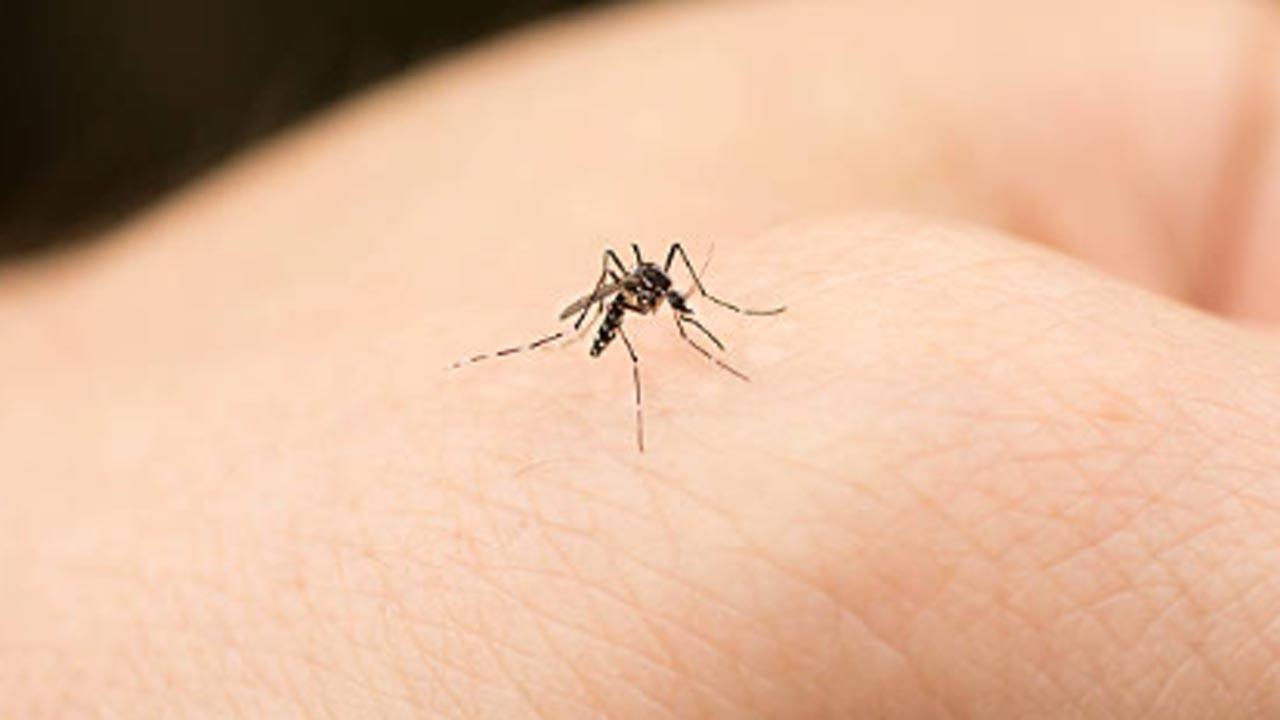
Chikungunya is a mosquito-borne arboviral infection, which is transmitted by the mosquito named Aedes aegypti, which is the same vector that also transmits dengue and Zika virus. Image for representational purpose only. Photo Courtesy: istock
Every monsoon, Mumbai is threatened by the increase of malaria, dengue and chikungunya cases. While leptospirosis is also common, the one aspect that binds the other three is that all of them are mosquito-borne diseases. Often, it is also what makes people confuse them with the other, say Mumbai experts, and that may also cause severe co-manifestations.
Earlier this week, mid-day reported a rise in cases of chikungunya in Mumbai’s Juhu area, just after BMC’s data revealed there were 25 cases of the mosquito-borne disease. Till July, reports state that Maharashtra’s cases of the disease have doubled. While the cases across Mumbai may vary, the rise in cases during monsoon season is expected, and Mumbai doctors say it is important to take the chikungunya seriously. Even though one of the easiest ways to prevent it is by discarding stagnant water to avoid mosquito breeding, says Dr Mala Kaneria, consultant, Infectious Diseases- Jaslok Hospital & Research Centre, Mumbai, there is more.
Buy now to read the full story.
For any queries please contact us: E-mail: support@mid-day.com
Trending Stories
Latest Photos
Latest Videos
Latest Web Stories
ADVERTISEMENT
Mid-Day Fast
ADVERTISEMENT

ADVERTISEMENT