






Home / Lifestyle / Health & Fitness / Article /
Does being distracted mean you have ADHD? Experts clarify
Updated On: 30 October, 2024 11:52 AM IST | Mumbai | Raaina Jain
Attention-Deficit/Hyperactivity Disorder (ADHD) is one of the most common mental health conditions, especially among children. We speak to mental health professionals who not only share symptoms and effects of ADHD, but also bust common myths surrounding it

Listen to this article :
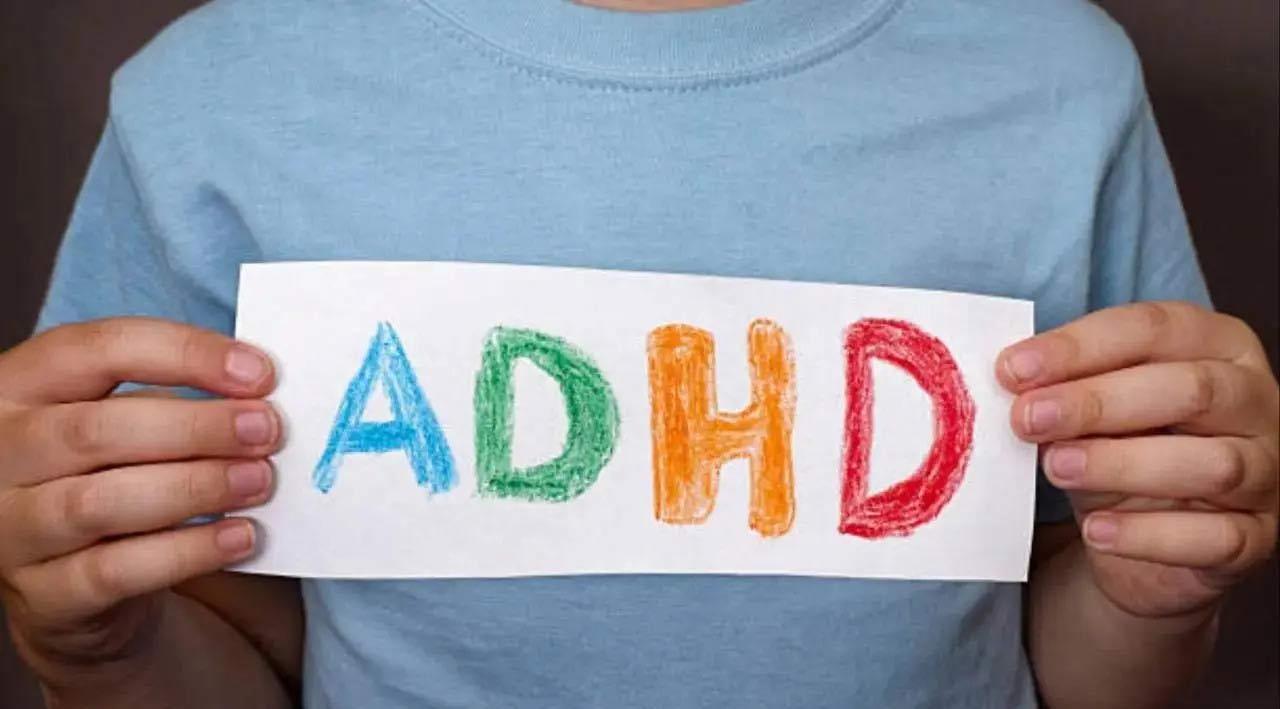
Image for representational purposes only (Photo Courtesy: iStock)
In today’s age of social media, where mental health conversations have gained momentum, many people have opened up about suffering from Attention-Deficit/Hyperactivity Disorder (ADHD) in recent years, describing their symptoms and how it affects their lives.
Earlier this month, actress Alia Bhatt had opened up about being diagnosed with ADHD. "I used to get zoned out from a young age. I used to get zoned out in the classroom or during conversations. Recently, I did a psychological test and found out that I am high on the ADHD spectrum. I have ADHD—attention deficit/hyperactivity disorder,” she revealed in an interview with Lallantop.
ADHD is a common neurodevelopmental condition that affects millions around the world. Widely believed to be diagnosed only in children, the condition can extend into adulthood and be recognised later in life. Relating to symptoms shared by people living with the condition has led to many others self-diagnosing themselves for the condition, especially if they are easily distracted. But does being distracted mean you have ADHD?
Mid-day.com speaks to Sumalatha Vasudeva, Psychologist, Gleneagles BGS Hospital, Bengaluru, and Dr. Kedar Tilwe, Consultant Psychiatrist, Fortis Hiranandani Hospital, Vashi, who not only explain all about the condition but also list down common misperceptions and harms of self-diagnosing oneself.
What is ADHD, and how does it affect one’s day-to-day life?
Vasudeva: ADHD is a neurodevelopmental disorder marked by symptoms such as inattention, hyperactivity, and impulsivity, which can vary significantly among individuals.
In daily life, ADHD affects focus and attention, making it challenging to concentrate on tasks, often resulting in unfinished projects or overlooked details. Individuals may struggle with organisation and time management, leading to disorganised environments. Impulsivity can result in risky decisions and interruptions in conversations, while difficulties in emotional regulation may cause heightened frustration or mood swings. Additionally, ADHD can impact social interactions, making it harder to maintain relationships. Despite these challenges, many individuals effectively manage their symptoms through strategies, therapy or medication.
Tilwe: ADHD is a neurodevelopmental disorder in which there is a circuitry dysfunction in the brain. It is characterised by inattention, hyperactivity, and impulsiveness. The onset is usually between the ages of 4-6 years. ADHD can manifest differently in men and women. Males have a tendency towards hyperactivity, while in females, it’s more about inattention. But the condition affects all genders equally.
Buy now to read the full story.
For any queries please contact us: E-mail: support@mid-day.com
Trending Stories
Latest Photos
Latest Videos
Latest Web Stories
ADVERTISEMENT
Mid-Day Fast
ADVERTISEMENT

ADVERTISEMENT