






Home / Lifestyle / Health & Fitness / Article /
Do's and Don'ts after Knee Replacement Surgery
Updated On: 09 November, 2018 12:30 PM IST | Mumbai | mid-day correspondent
In the early stages of knee pain and stiffness, treatment can be done with medications and exercise

Listen to this article :
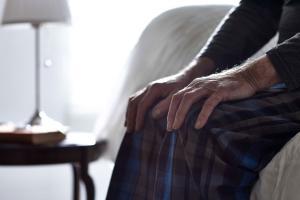
With advancing age, the incidence of health problems also increases. In our country, aside vision-related conditions, diabetes, and hypertension, degenerative joint conditions are commonly observed in the elderly population. Community-based studies have reported approximately 44% prevalence of arthritis in the elderly population, with pain, stiffness and inability to walk comfortably being the chief symptoms. The reason behind this is that, with age, having accumulated stress-related factors throughout the life of the individual, repair mechanisms of the body slowly start declining. Moreover, old age is also associated with wear and tear of structures in our body, thereby resulting in degenerative arthritic conditions.
The knee joint is commonly involved in Osteoarthritis (OA) and is caused due to cartilage degradation. The knee is a weight-bearing joint and has an important role in horizontal (walking, running) and vertical (jumping) movements. As age advances, there are changes in muscle mass surrounding the joint structure as well as cell and matrix-related changes inside the joint tissue which lead to degeneration. Also, loss of normal bone structure with age and other co-existing factors such as obesity, traumatic injuries etc. all contribute to OA of the knee.
Read Next Story
Trending Stories
Latest Photos
Latest Videos
Latest Web Stories
ADVERTISEMENT
Mid-Day Fast
ADVERTISEMENT

ADVERTISEMENT