






Home / Lifestyle / Health & Fitness / Article /
Fatty food cravings traced to connection between gut and brain: Study
Updated On: 11 September, 2022 02:48 PM IST | Washington | ANI
The new study raises the possibility of interfering with this gut-brain connection to help prevent unhealthy choices and address the growing global health crisis caused by overeating

Listen to this article :
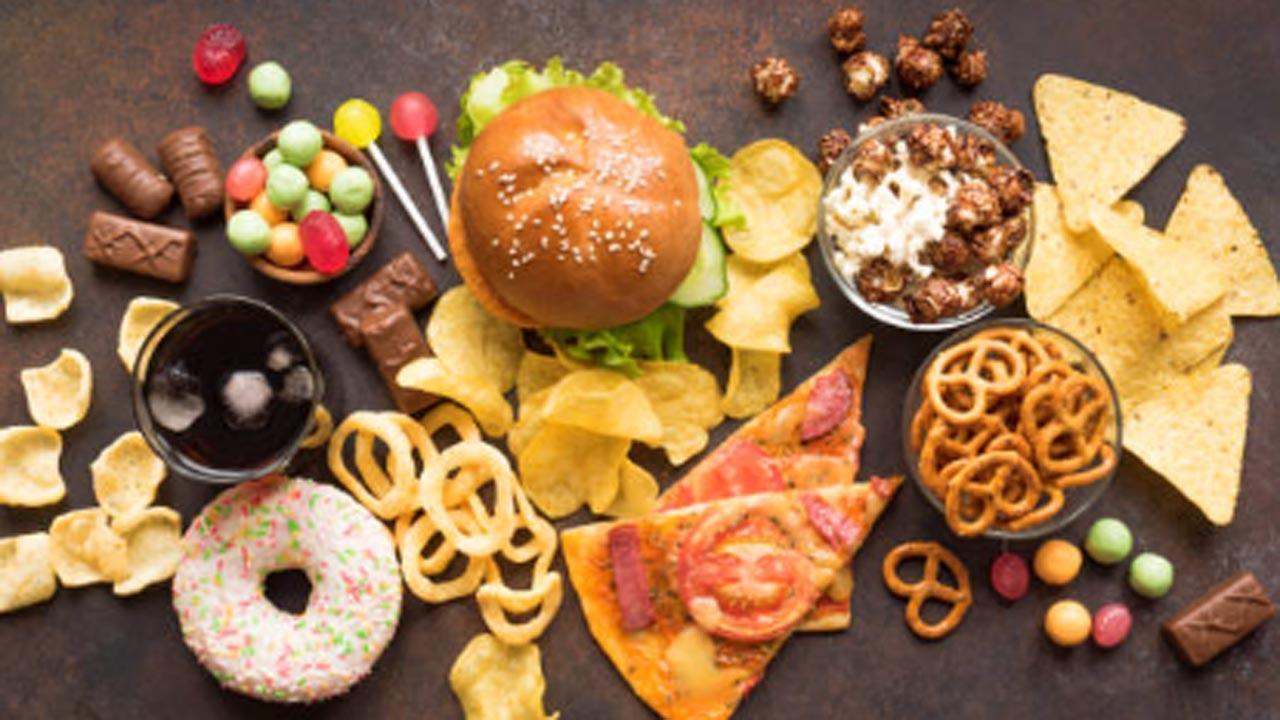
Image for representational purpose only. Photo Courtesy: istock
Very often people who diet are faced with the challenge of dealing with a craving and they often would blame their tongue for the flavours are hard to resist. However, a new research that investigated the source of people's appetites has found an entirely new connection between the gut and the brain that drives a desire for fat.
At Columbia's Zuckerman Institute, scientists studying mice found that fat entering the intestines triggers a signal. Conducted along nerves to the brain, this signal drives a desire for fatty foods. Published September 7, 2022, in Nature, the new study raises the possibility of interfering with this gut-brain connection to help prevent unhealthy choices and address the growing global health crisis caused by overeating.
"We live in unprecedented times, in which the overconsumption of fats and sugars is causing an epidemic of obesity and metabolic disorders," said first author Mengtong Li, PhD, a postdoctoral researcher in the lab of the Zuckerman Institute's Charles Zuker, PhD, supported by the Howard Hughes Medical Institute. "If we want to control our insatiable desire for fat, science is showing us that the key conduit driving these cravings is a connection between the gut and the brain."
Trending Stories
Latest Photos
Latest Videos
Latest Web Stories
ADVERTISEMENT
Mid-Day Fast
ADVERTISEMENT

ADVERTISEMENT