






Home / Lifestyle / Health & Fitness / Article /
Memory slips or something more? Early signs of cognitive decline
Is it just age-related forgetfulness, or an early sign of something more serious? Neurologists outline the subtle differences between normal memory slips and the potential early indicators of cognitive decline, diagnosis and management strategies, and lifestyle practices for brain health

Listen to this article :
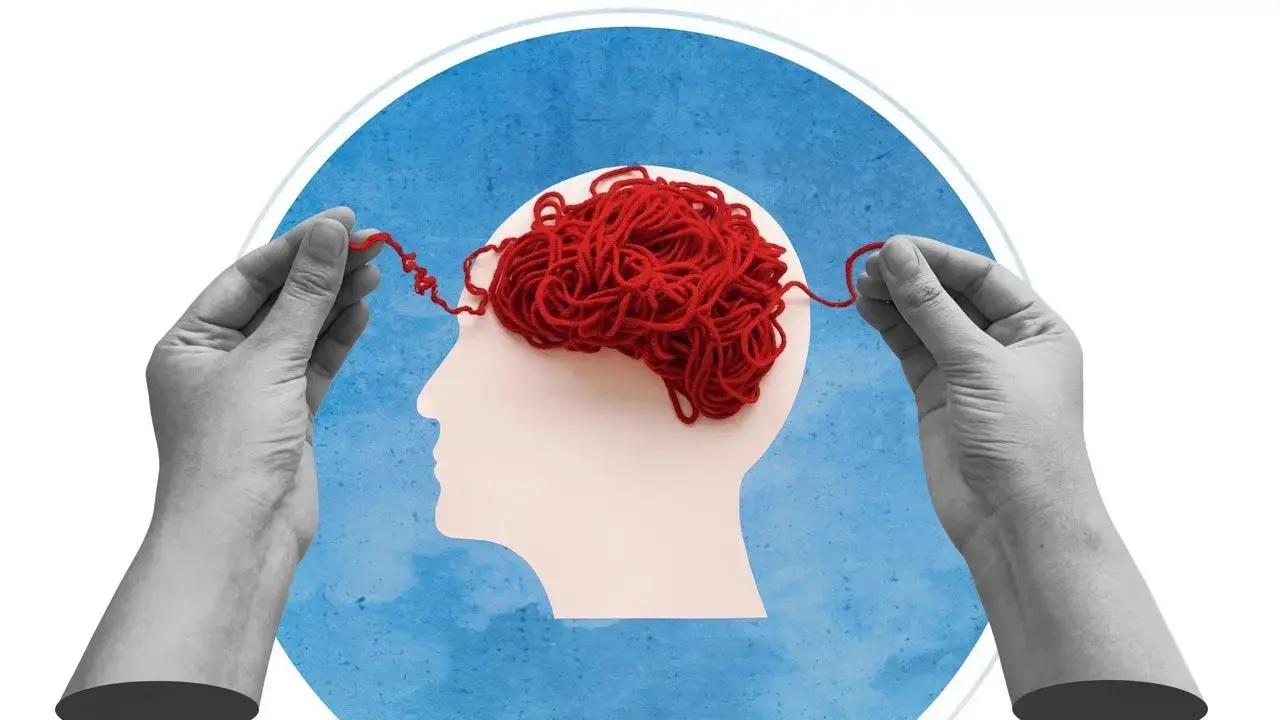
Image for representational purpose only. Photo Courtesy: File pic
Memory varies from person to person, but it may also deeply impact the quality of your life. While there are various factors influencing the change and decline in memory, age is among the leading ones. How can we determine whether our loved ones are experiencing common memory lapses, or the potential early signs of a more serious condition?
It is important to note that early signs often go beyond memory loss, manifesting as subtle changes in mood, personality, and decision-making. These issues often manifest subtly, sometimes mistaken as mere absent-mindedness, but they become increasingly evident as a person's functional independence diminishes.
Neurologists outline the subtle differences between typical age-related forgetfulness and the potential early indicators of cognitive decline, reversible causes of memory loss, diagnosis and management strategies, lifestyle practices for brain health, and more.
Beyond normal forgetfulness: When to be concerned
Normal aging might involve minor lapses, like temporarily forgetting someone's name or misplacing keys. However, these occasional episodes do not significantly affect daily life, decision-making, or independence. Early cognitive decline, on the other hand, is characterised by more persistent and progressive difficulties.
According to Dr Pradyumna Oak, director, neurology, Nanavati Max Super Speciality Hospital, Mumbai, "Early cognitive decline is characterized by persistent, progressive difficulties. Individuals might repeatedly forget recent conversations, struggle significantly to recall new information, or frequently misplace items. They may also find themselves confused about time and place, have trouble navigating familiar routes or recognizing familiar surroundings, and show noticeable impairments in judgment or problem-solving abilities."
He further highlights specific instances, "Repeated questions, difficulty remembering details of recent events, or regularly getting lost in familiar places typically suggest something more than just age-related forgetfulness. While minor forgetfulness is normal, persistent issues like repeatedly forgetting familiar recipes, difficulty handling money, or sudden challenges performing daily activities like dressing or grooming are not."
These symptoms can be particularly concerning in Indian communities. As Oak notes, joint family systems may "sometimes mask early signs due to constant
support from family members."
Warning signs beyond memory loss
It’s not just about memory. Early cognitive decline often manifests in other subtle, easily overlooked ways. Dr Tushar Raut, consultant, neurology, Kokilaben Dhirubhai Ambani Hospital, Mumbai, emphasises, "Forgetfulness alone isn’t always the first red flag. Early cognitive decline often manifests in more subtle, easily overlooked ways." He advises watching for:
1. Mood fluctuations: Increased irritability, anxiety, apathy, or sudden withdrawal from social activities may point to underlying changes in brain function.
2. Poor judgment or decision-making: Mismanaging finances, falling for scams, or dressing inappropriately for the weather can all signal a decline in executive function.
3. Personality shifts: A calm person becoming unusually suspicious or a social individual withdrawing could be an early indicator of cognitive impairment.
4. Disorientation or confusion: Getting lost in familiar places or struggling to follow conversations may signal spatial and attention-related decline.
Trending Stories
Latest Photos
Latest Videos
Latest Web Stories
ADVERTISEMENT
Mid-Day Fast
ADVERTISEMENT

ADVERTISEMENT