






Home / Lifestyle / Health & Fitness / Article /
Mumbai doctor helps pregnant woman with Type 1 diabetes deliver healthy baby
Updated On: 14 May, 2024 01:41 PM IST | Mumbai | mid-day online correspondent
While T1DM is a lifelong condition, pregnancy introduces additional challenges in managing blood sugar levels effectively. Women with T1DM may face increased difficulty in regulating glucose levels due to hormonal changes and increased insulin resistance during pregnancy

Listen to this article :
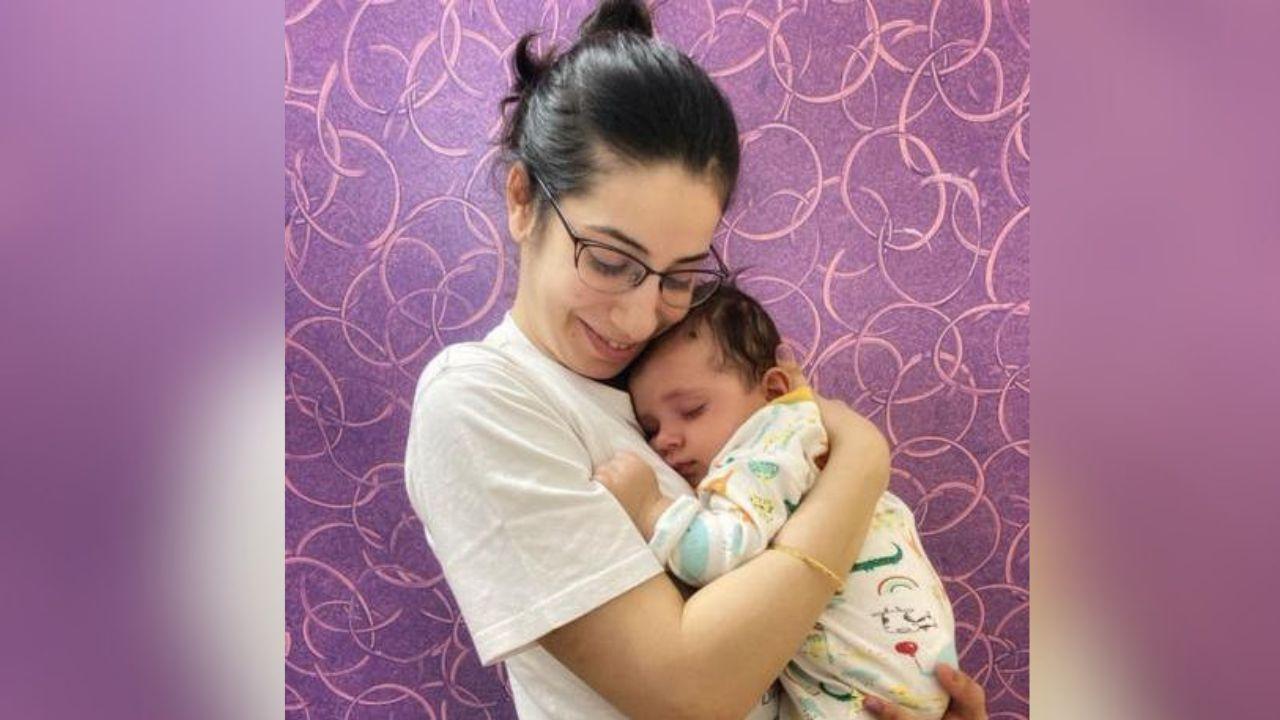
For Kainaz Wadia, who was managing her T1DM with insulin, achieving optimal control is even more critical during pregnancy. Photo Courtesy: Special Arrangement
In a perfect Mother's Day gift, Mumbai-based Dr Rajiv Kovil helped deliver the baby of a mother with Type 1 diabetes mellitus (T1DM) with the help of a complex procedure.
Type 1 diabetes mellitus (T1DM) is a chronic condition characterised by the body's inability to produce insulin. This necessitates external insulin administration to regulate blood sugar levels. For Kainaz Wadia, who was managing her T1DM with insulin, achieving optimal control is even more critical during pregnancy. She was instructed that the insulin may not be able to give her the kind of control required for a type 1 pregnancy, as her HbA1c and post-prandial sugars were slightly high.
During pregnancy, the demand for insulin often increases due to hormonal changes, making tight glucose control paramount for the health of both mother and baby. High blood sugar levels can lead to complications such as macrosomia (large birth weight), neonatal hypoglycemia (low blood sugar levels in newborns), and pre-eclampsia (High Blood Pressure with Proteinuria). She was treated by Dr Kovil, who is a diabetologist, head and co founder, Zandra Healthcare and Rang De Neela Initiative.
Trending Stories
Latest Photos
Latest Videos
Latest Web Stories
ADVERTISEMENT
Mid-Day Fast
ADVERTISEMENT

ADVERTISEMENT