Home / Lifestyle / Health & Fitness / Article /
Prevention better than cure: Your guide to taking HPV vaccine
Updated On: 21 March, 2024 06:18 PM IST | Mumbai | Aakanksha Ahire
Have you been contemplating whether or not to take the HPV vaccine? On National Vaccination Day 2024, Mid-day.com spoke to gynaecologists who answered common questions about the vaccine to help readers make an informed decision



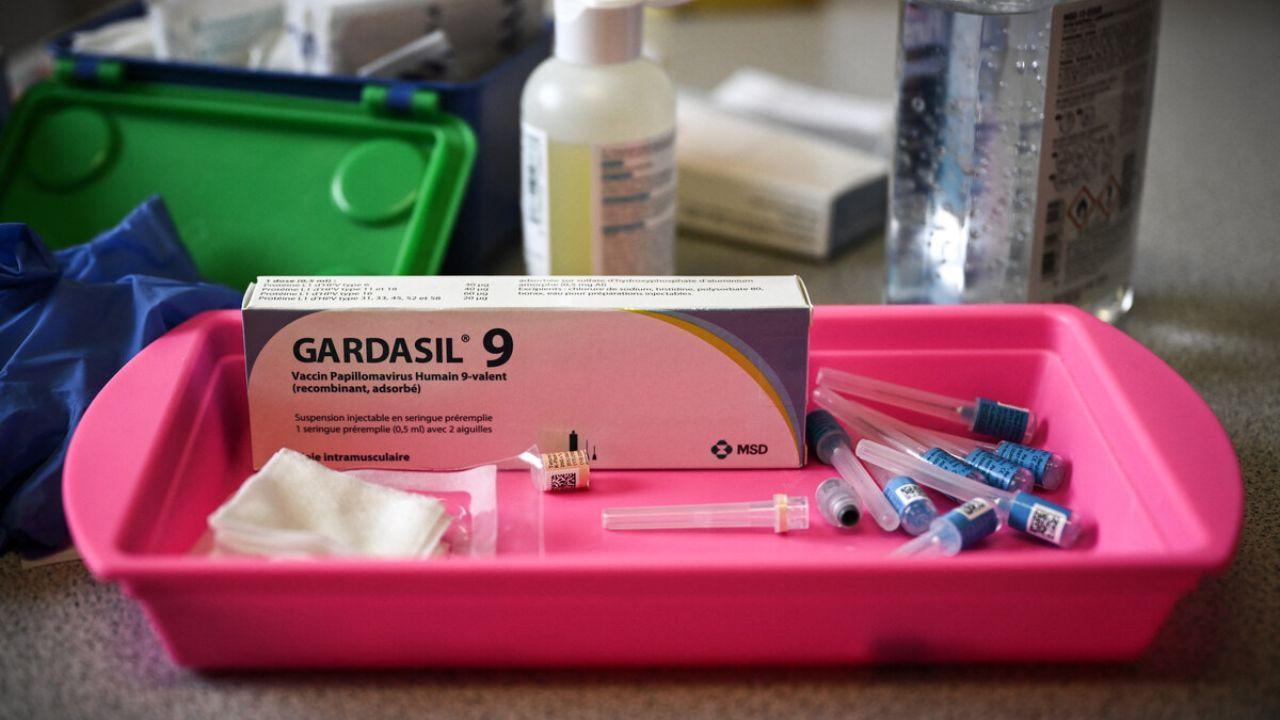
The inaugural vaccine, Gardasil, was pioneered by Merck & Co. and gained FDA approval in 2006. Photo Courtesy: AFP
Given the controversy that followed after Indian model Poonam Pandey faked her death to raise awareness against cervical cancer, conversations around whether or not to take the HPV vaccine sprouted among many. However, contemplation has kept us from actually getting our shot.
On National Vaccination Day 2024 – a day observed annually on March 16 to raise awareness of the importance of vaccines for protection against deadly diseases – Mid-day.com spoke to gynaecologists who answered common questions we all have had.
Dr Madhuri Burande Laha, consultant obstetrician and gynaecologist, Motherhood Hospital, Kharadi, says, “The HPV vaccine, also known as the human papillomavirus vaccine, is a crucial tool in preventing HPV infection and its associated health risks.
Human papillomavirus (HPV) is a common sexually transmitted infection that can lead to cervical cancer.
Dr Nandita Palshetkar (@drnanditapalshetkar_bloomivf), obstetrician, gynaecologist, director of Bloom IVF India and president of IVF Society of India (ISAR) states, “The HPV vaccine works by triggering the immune system to generate antibodies targeting specific HPV strains. This proactive approach aids in averting infection and lowering the likelihood of HPV-associated conditions like cervical cancer, genital warts, and certain other cancers.”
Additionally, Dr Sampada Dessai, consultant, gynaecological cancer and robotic surgeon, P. D. Hinduja Hospital and MRC, Mahim says, “All women should be made aware of the HPV vaccine, their advantages and importance in preventing cervical cancer when taken timely.”
The HPV vaccine made its debut in the early 2000s. The inaugural vaccine, Gardasil, was pioneered by Merck & Co. and gained FDA approval in 2006. Subsequently, another vaccine named Cervarix, developed by GlaxoSmithKline, also received regulatory approval. Together, these vaccines have played a crucial role in curtailing the prevalence of HPV-related diseases on a global scale.
Also Read: Obesity in women elevates risk of breast and ovarian cancer: Experts
The HPV vaccine was first developed and introduced in India in 2008, marking a significant milestone in the country's efforts to combat cervical cancer. Cervavac, developed in India, is a breakthrough HPV vaccine designed to prevent HPV infection and cervical or HPV cancer. The Serum Institute of India develops it. Another company producing HPV vaccines in India is Bharat Biotech which has also been instrumental in preventing HPV infections
Laha, Palshetkar and Dessai answer some crucial questions related to HPV vaccines.
Are there various types of HPV vaccines?
Laha: In India, there are two types of HPV vaccines available that are Cervarix and Gardasil. Both vaccines target the HPV virus. Cervarix offers protection against two high-risk strains of HPV (16 and 18) which are responsible for cervical cancer cases. Gardasil protects against not only HPV 16 and 18 but also against two additional low-risk strains (6 and 11) which cause genital warts. By preventing persistent infection with high-risk HPV types, these vaccines effectively reduce the risk of developing cervical cancer.
Palshetkar: There are several types of HPV vaccines available, with the two main categories being:
Buy now to read the full story.
For any queries please contact us: E-mail: support@mid-day.com


How do you like the new new mid-day.com experience? Share your feedback and help us improve.
Trending Stories
Latest Photos
Latest Videos
Latest Web Stories
ADVERTISEMENT
Mid-Day Fast
ADVERTISEMENT

ADVERTISEMENT