






Home / Lifestyle / Health & Fitness / Article /
Noise pollution due to loud music during Ganeshotsav can cause ear damage
Updated On: 13 September, 2024 03:43 PM IST | Mumbai | mid-day online correspondent
Loud noise can damage the hair cells and hearing nerve in your inner ear and there can be pain, swelling, discomfort, and ringing of the ear. Children, senior citizens and pregnant women can suffer a lot due to DJ noise during festive season

Listen to this article :
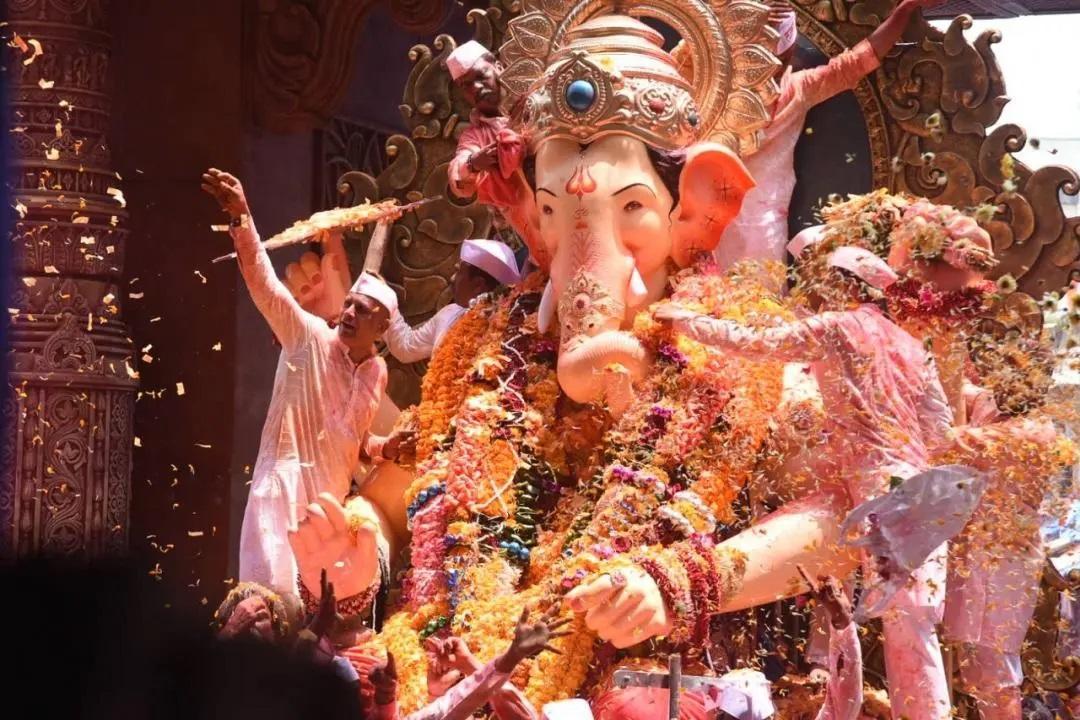
Image for representational purpose only. Photo Courtesy: PTI
Ganesh Chaturthi is a time of celebration for many but with festivities come a lot of song, dance and music too. With a vibrant atmosphere filled with loud music throughout the city to honour Bappa and seek his blessings, experts say it is important to be aware of the effect of loud sounds.
The joy of celebrations can quickly become distressing, as the high volume of sounds during the festivities poses a risk of ear damage for 20 per cent of individuals. Many may experience noise-induced hearing loss (NIHL), discomfort, pain, or ringing in their ears. To safeguard your hearing and enjoy the celebrations without issues, it's advisable to limit exposure to loud sounds by using noise-canceling headphones or ear muffs and distancing yourself from the source of loud sound.
Ganeshotsav is celebrated across Maharashtra with great fervour. During the festival, a large number of people join the processions, dance their hearts out, and welcome their beloved Bappa. However, the loud music played during the festival can be a matter of concern for people.
Dr Sushrut Deshmukh, ENT, Apollo Spectra, Pune, explains, “With loud music blaring from speakers and processions echoing through the streets, many people aren't aware of the ill effects of loud sound on their hearing health. Exposure to sounds above 85 decibels can lead to ear damage in around 20 per cent of individuals. Children, elderly people, and those with pre-existing conditions are particularly prone to hearing problems. Loud noise can lead to noise-induced hearing loss (NIHL), which can be temporary or permanent."
He adds, "Moreover, loud noise can damage the hair cells and hearing nerve in your inner ear and there can be pain, swelling, discomfort, and ringing of the ear. The common symptoms seen due to noise-induced hearing loss are difficulty in perceiving high-frequency sounds, and speech that may appear distorted or challenging to comprehend. Among the 10 people who visited, 7 aged between 13-65, reported experiencing ear pain, temporary hearing loss, and tinnitus 9ringing of the ears). A hearing test should be done on an immediate basis if one is unable to hear and avoid permanent hearing loss."
Trending Stories
Latest Photos
Latest Videos
Latest Web Stories
ADVERTISEMENT
Mid-Day Fast
ADVERTISEMENT

ADVERTISEMENT