






Home / Lifestyle / Health & Fitness / Article /
Breastfeeding Week: Why exclusive breastfeeding is challenging for many women
Updated On: 07 August, 2022 10:12 AM IST | Mumbai | Sarasvati T
Exclusive breastfeeding for the first six months is crucial for the infant’s early nutrition and development. City-based women share how employment concerns and a lack of institutional support hinder optimum breastfeeding practices

Listen to this article :
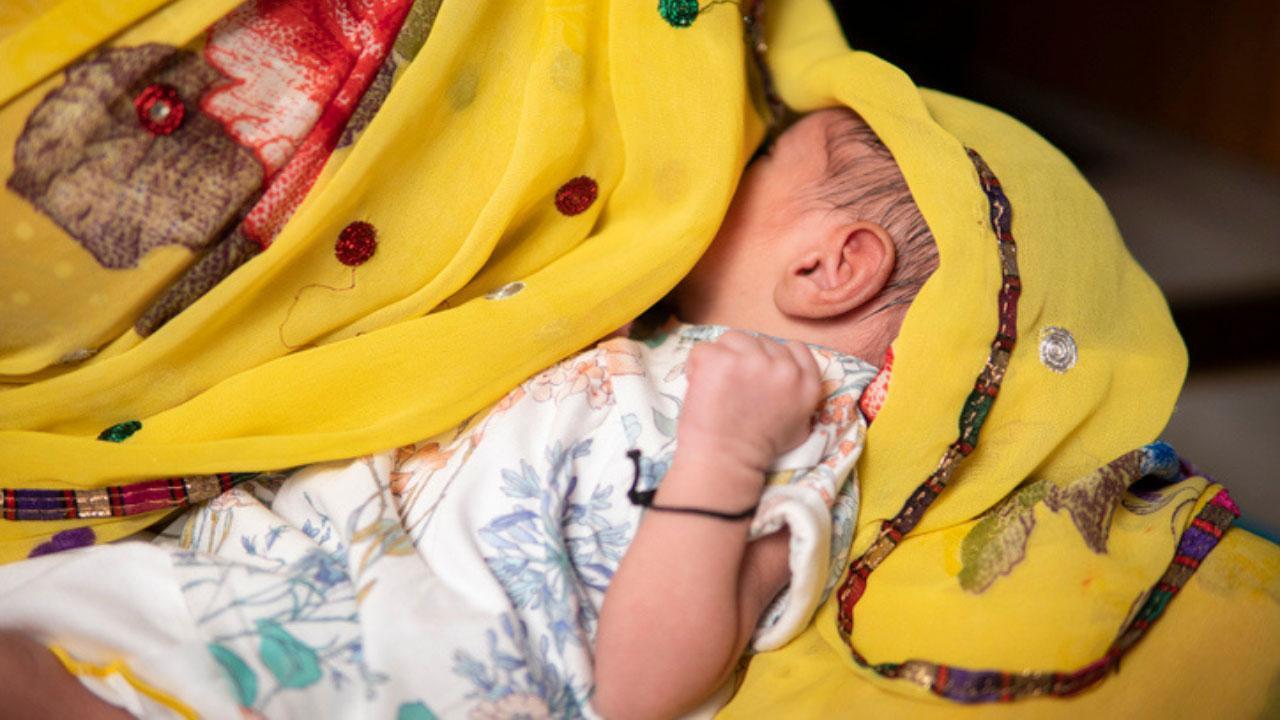
Exclusive breastfeeding for first six months of the infant is crucial for nutrition and early development of the baby. Image for representation: iStock
“The first one month post childbirth was the toughest phase for me. Doctors and women from my family suggested me many things about breastfeeding practices, but, there was no one to teach me practically,” says city-based yoga-therapist Dwee Chintan Pathak, whose child was diagnosed with mild jaundice at the time of birth, which disallowed the mother from breastfeeding in the first crucial hours after childbirth.
Diya Deepak Mathal, a 33-year-old domestic worker from Mumbai, had to resort to bottle-feeding her children in less than six months in order to resume work to stabilise the financial situation at home. While she could manage breastfeeding the baby, it was difficult to ensure exclusive breastfeeding for six months.
The first breastmilk of a mother contains colostrum, which is highly nutritious and has antibodies that protect the newborn from diseases. According to the fifth National Health and Family Survey (NFHS), breastmilk contains all of the nutrients needed by children in the first six months of life and is an uncontaminated nutritional source, which is why it is recommended that children be exclusively breastfed in the first six months of their life; that is, they are given nothing but breastmilk.
Buy now to read the full story.
For any queries please contact us: E-mail: support@mid-day.com
Trending Stories
Latest Photos
Latest Videos
Latest Web Stories
ADVERTISEMENT
Mid-Day Fast
ADVERTISEMENT

ADVERTISEMENT