Home / Lifestyle / Health & Fitness / Photos /
IN PHOTOS: Decoding the role of artificial intelligence in early cancer diagnosis
Updated On: 21 December, 2023 05:12 PM IST | Editor
Artificial intelligence excels in handling data-intensive tasks. By automating initial analysis of medical imaging, AI systems can reduce the workload on healthcare professionals and detect more precise cancer diagnosis




1/6

2/6
One of the key ways AI contributes to diagnostic accuracy is through its ability to analyse complex patterns in medical images. Traditional methods of interpreting images, such as X-rays, MRIs or CT scans, often rely on the expertise of radiologists who may at times overlook subtle indicators of cancer – remarks Tandekar
ADVERTISEMENT

3/6
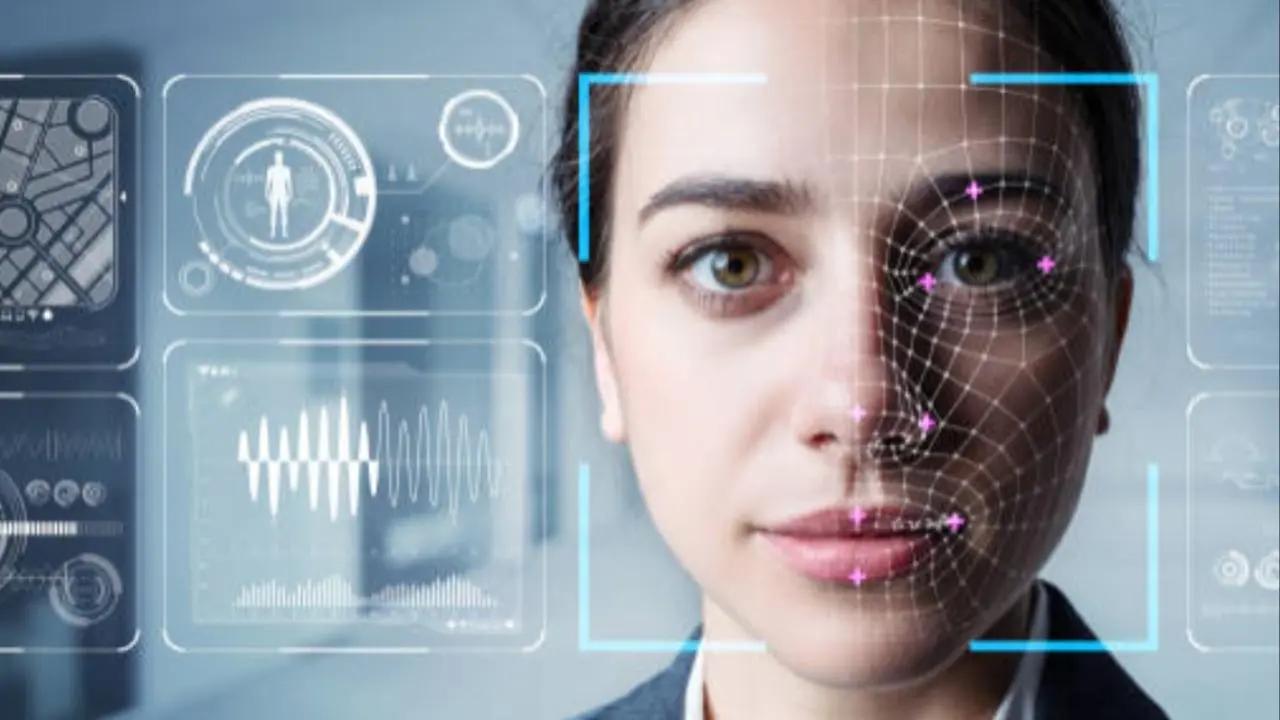
AI, however, can process massive datasets at incredible speeds, identifying patterns that may be imperceptible to the human eye. This capability allows for the detection of early-stage cancers, where the subtlest abnormalities may be indicative of the disease.
4/6
Machine learning algorithms – a subset of AI, thus, play a pivotal role in this enhancement of diagnostic accuracy. These algorithms learn from vast datasets, continuously improving their ability to recognise patterns and anomalies
ADVERTISEMENT

5/6
In the context of medical imaging, they can be trained on a diverse range of images representing both normal and cancerous conditions. As a result, the algorithm becomes adept at distinguishing between various tissue types, lesions and abnormalities, contributing to more accurate diagnoses

6/6
Furthermore, AI offers the advantage of consistency and reliability. Human radiologists may experience fatigue or be influenced by external factors, potentially impacting their diagnostic accuracy. AI systems, on the other hand, maintain a consistent level of performance regardless of external conditions. This reliability can be particularly crucial in time-sensitive situations where quick and accurate diagnoses are imperative
ADVERTISEMENT
ADVERTISEMENT
Photo of Day

Nature turns the tide pink
Thousands of flamingos wade through the shallow waters of the Talawe wetlands behind Nerul’s NRI Complex in Navi Mumbai. PIC/SHADAB KHAN
ADVERTISEMENT