






Home / Lifestyle / Nature & Wildlife / Article /
Aerosols may help weaken dangerous cyclones: Study
Updated On: 14 June, 2025 10:45 AM IST | Mumbai | IANS
The study states that aerosols — microscopic airborne particles — could disrupt cyclone formation during the vulnerable early phases

Listen to this article :
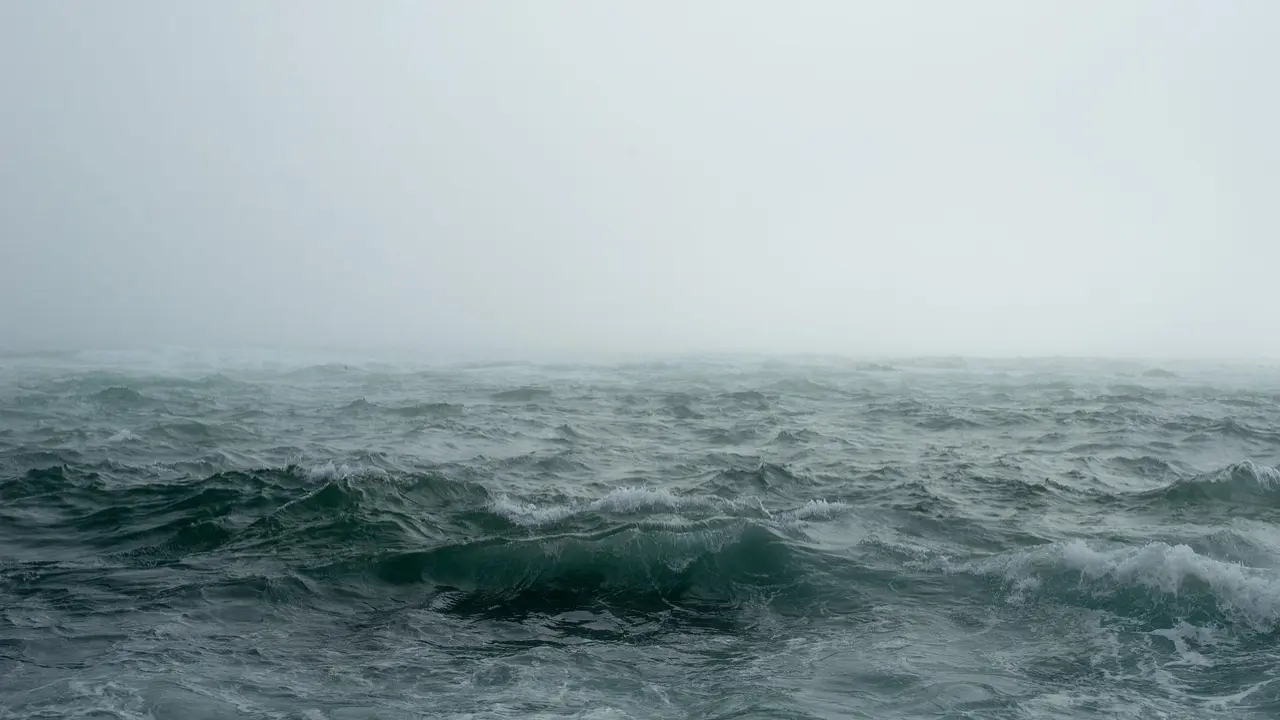
Image for representational purposes only (Photo Courtesy: Pixabay)
Strategically dispersing aerosols -- microscopic airborne particles -- into developing cyclones could disrupt their formation during the vulnerable early phases, according to an Australian study.
The pioneering study led by researchers from the Australian National University (ANU) offers a potential breakthrough to mitigate the impact of extreme weather events intensified by climate change, Xinhua news agency reported.
While previous efforts to modify storms have focused on mature cyclones nearing landfall, this study targets the early stages of cyclone development, where intervention may be more effective, said lead author Roslyn Prinsley, Associate Professor at the ANU Institute for Climate, Energy and Disaster Solutions.
Trending Stories
Latest Photos
Latest Videos
Latest Web Stories
ADVERTISEMENT
Mid-Day Fast
ADVERTISEMENT

ADVERTISEMENT