






Home / Lifestyle / Nature & Wildlife / Article /
Air pollution reducing honey bees' ability to find flowers: Study
Updated On: 11 October, 2023 08:01 AM IST | Washington | ANI
The study found that ozone substantially changes the size and scent of floral odour plumes given off by flowers

Listen to this article :
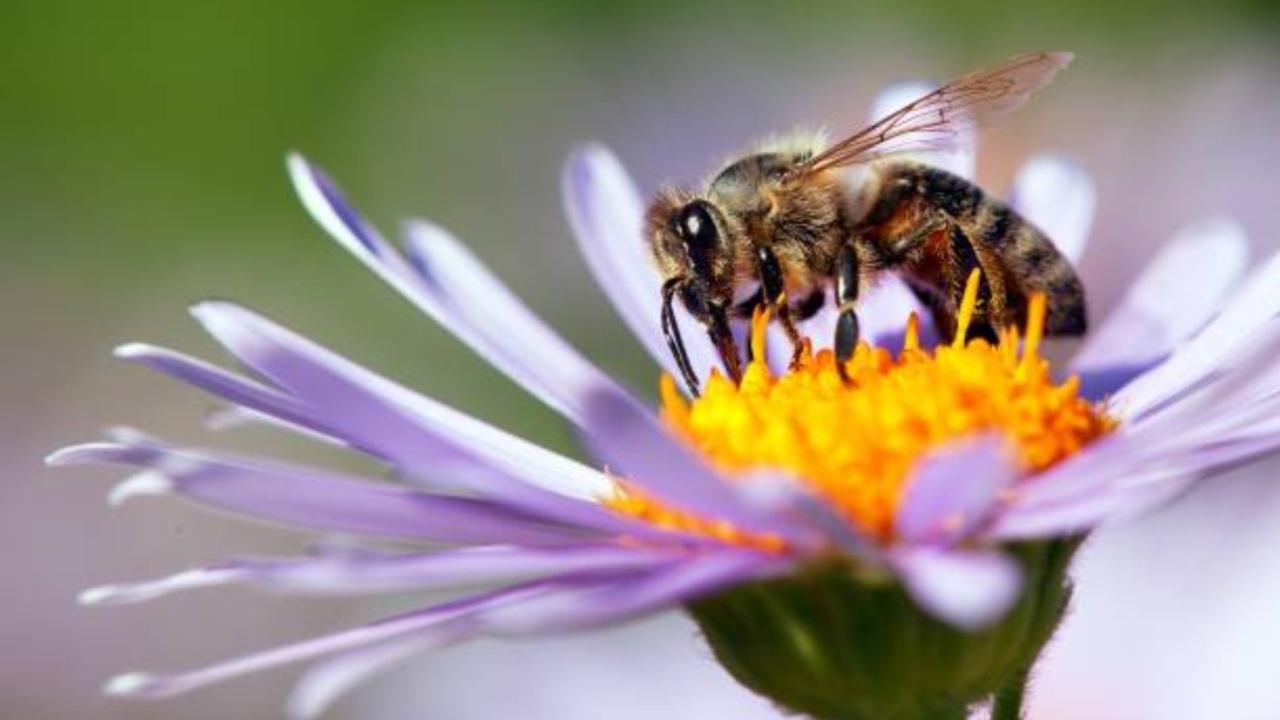
Image for representational purposes only. Photo Courtesy: iStock
A research team comprising the UK Centre for Ecology & Hydrology (UKCEH) and the Universities of Birmingham, Reading, Surrey and Southern Queensland, found that ozone substantially changes the size and scent of floral odour plumes given off by flowers and that it reduced honey bees' ability to recognise odours by up to 90% from just a few metres away.
Ground-level ozone typically forms when nitrogen oxide emissions from vehicles and industrial processes react with volatile organic compounds emitted from vegetation in the presence of sunlight. Professor Christian Pfrang from the University of Birmingham who collaborated on the research said: “Our study provides robust evidence that the changes due to ground-level ozone on floral scent cause pollinators to struggle to carry out their crucial role in the natural environment also with implications for food security.”The findings suggest that ozone is likely to be having a negative impact on wildflower abundance and crop yields. International research has already established that ozone has a negative impact on food production because it damages plant growth.
Trending Stories
Latest Photos
Latest Videos
Latest Web Stories
ADVERTISEMENT
Mid-Day Fast
ADVERTISEMENT

ADVERTISEMENT