






Home / Lifestyle / Nature & Wildlife / Article /
Women are contributing 105 kilograms of plastic waste in one lifetime
Updated On: 04 February, 2023 04:01 PM IST | New Delhi | IANS
These microplastics then find their way to our soil system and even oceans. As opposed to this, organic, biodegradable tampons biodegrade within 6 months

Listen to this article :
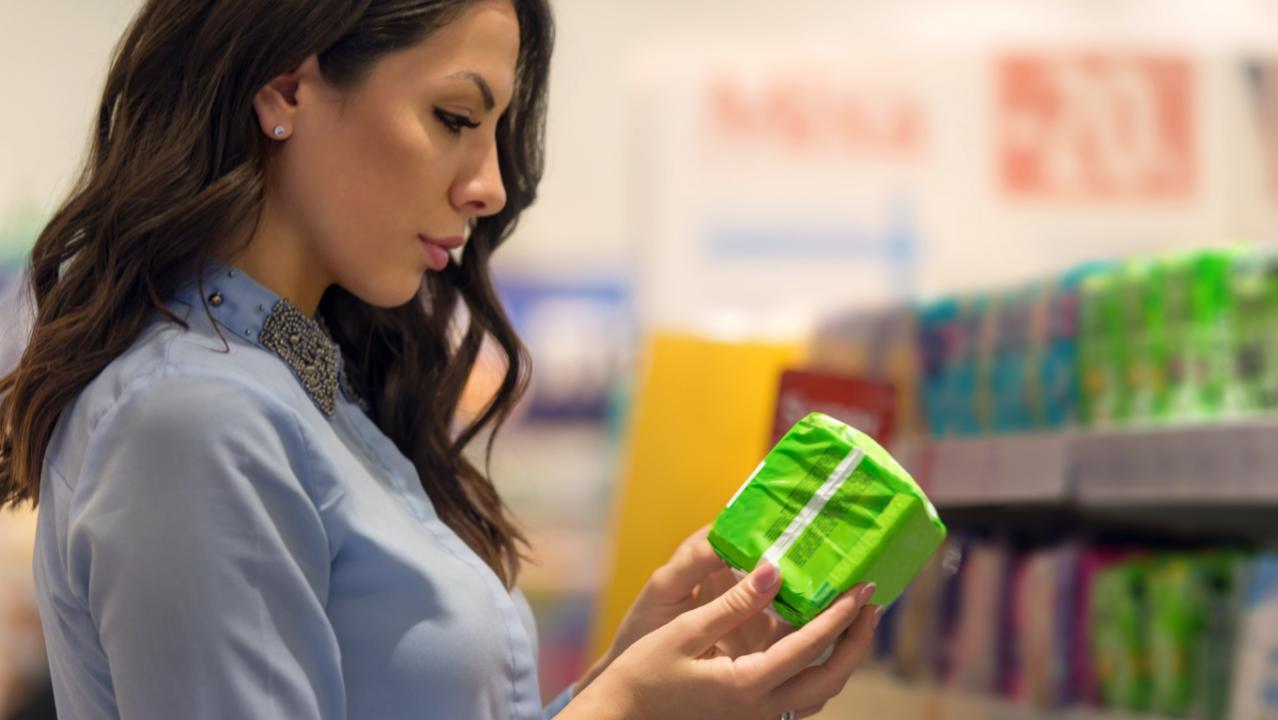
Image for representational purpose only. Photo courtesy: istock
Non-biodegradable sanitary products add a significant amount of plastic waste to the environment. This has hazardous effects not only on global warming but also on animal health both on land and in water as well as resource depletion.
The numbers are shocking from the menstruation perspective and the effect of menstruating products on our environment is estimated that approximately 121 million women dispose of around eight sanitary napkins per menstrual cycle. This computes that around 12.3 billion disposable pads are added to landfills annually! Each woman generates around 120kg of plastic waste during her menstruating years. To tackle this issue there needs to be a system in place to tackle menstruation waste especially used sanitary plastic pads.
Trending Stories
Latest Photos
Latest Videos
Latest Web Stories
ADVERTISEMENT
Mid-Day Fast
ADVERTISEMENT

ADVERTISEMENT