






Home / Lifestyle / Nature & Wildlife / Photos /
Never-before-seen images capture Flamingo spectacle in Mumbai
Updated On: 15 January, 2024 12:31 PM IST | Ainie Rizvi
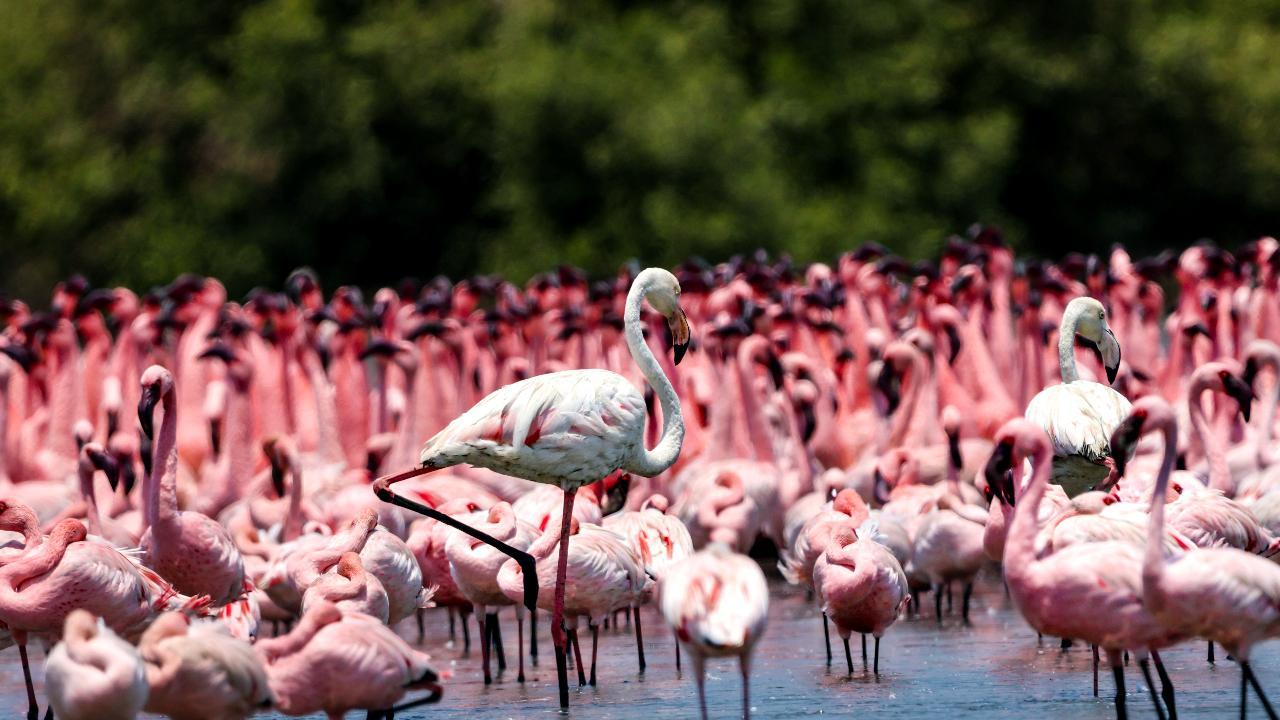
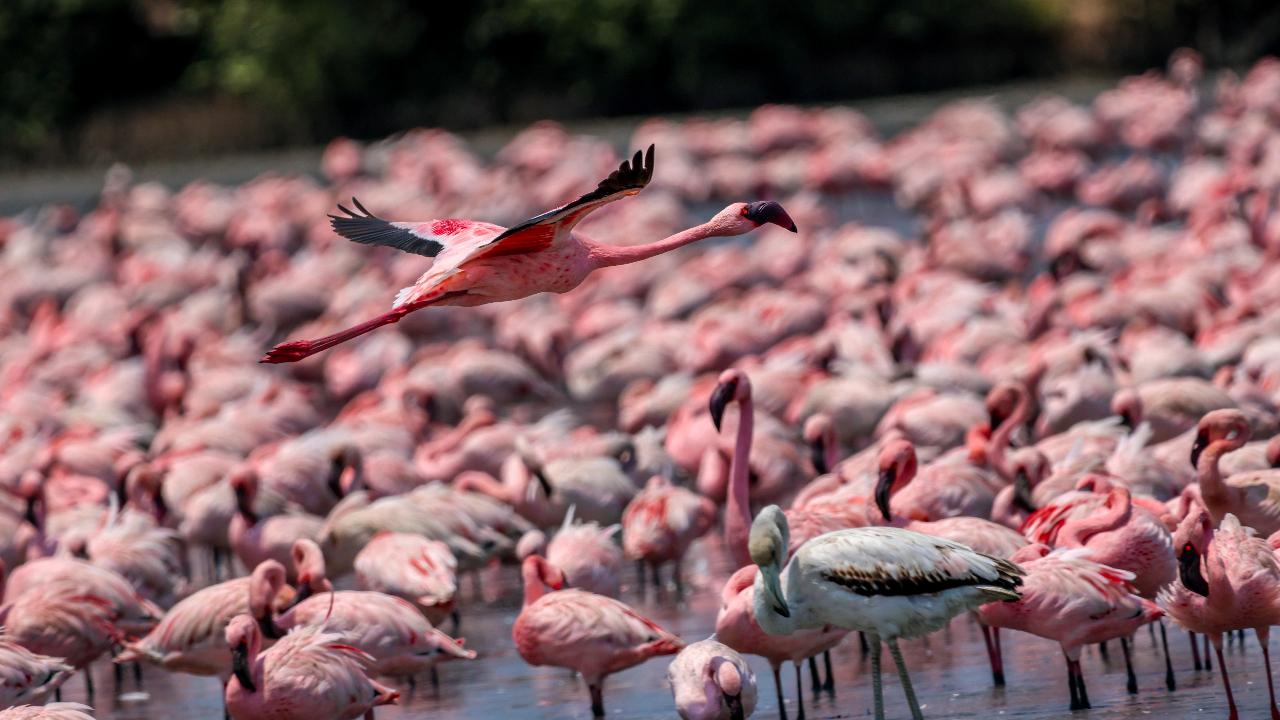
For nearly six to seven months every year, the wetlands at T.S. Chanakya turn into a sojourn for flamingos. The exodus that takes place from Rann of Kutch in Gujarat culminates at the feeding grounds of Mangrove swamps in Mumbai and Navi Mumbai. Mid-day.com spoke to a city-based photographer Vidyasagar Hariharan who camouflages in nature to study their courtship dance

1/10
For nearly six to seven months every year, the wetlands at T.S. Chanakya turn into a sojourn for flamingos. The exodus that takes place from Rann of Kutch in Gujarat culminates at the feeding grounds of Mangrove swamps in Mumbai and Navi Mumbai. Mid-day.com spoke to a city-based photographer Vidyasagar Hariharan who camouflages in nature to study their courtship dance
ADVERTISEMENT
3/10
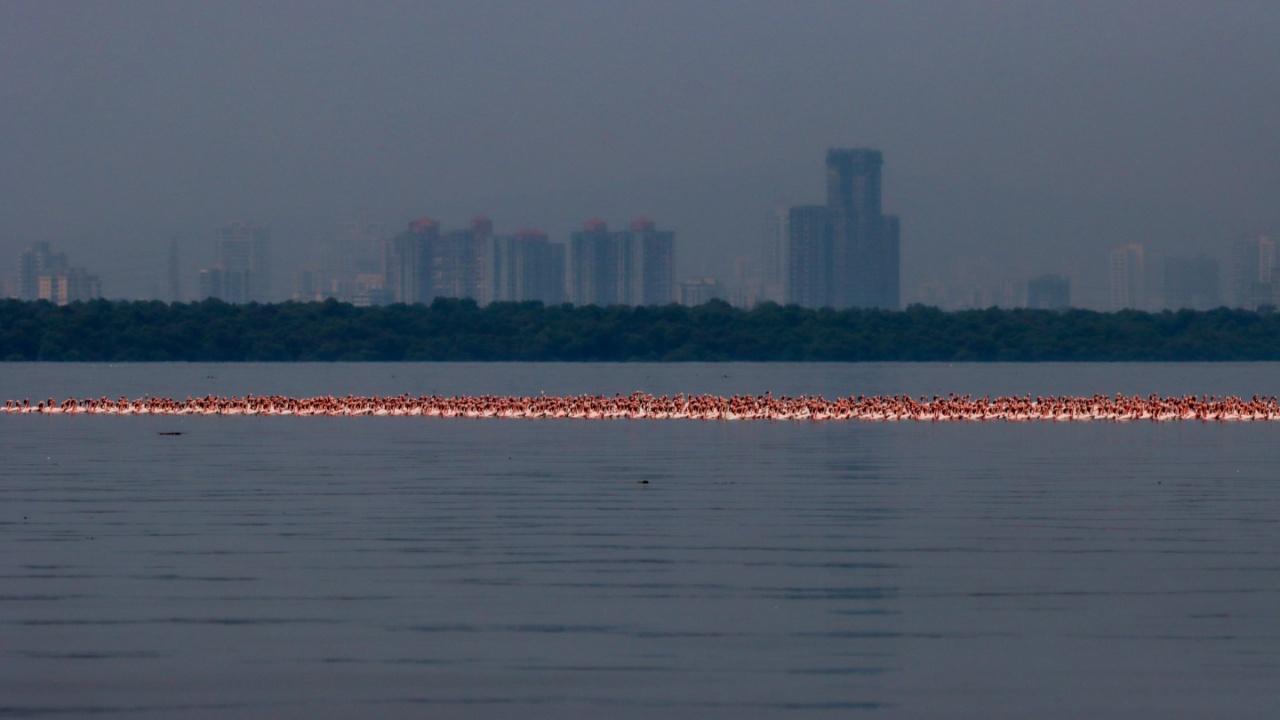
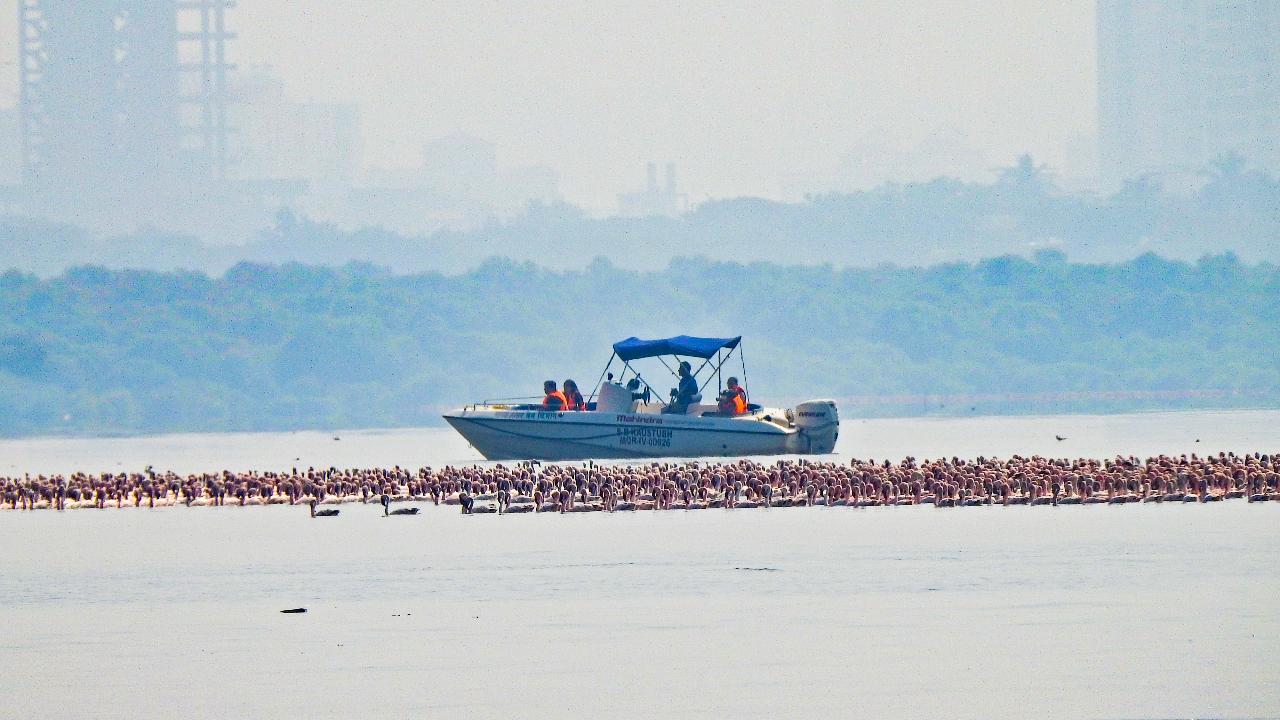
The water is on fire. Lesser and Greater flamingos as seen from the Thane creek boat ride form a line of pink that looks like a line of fire
ADVERTISEMENT
5/10
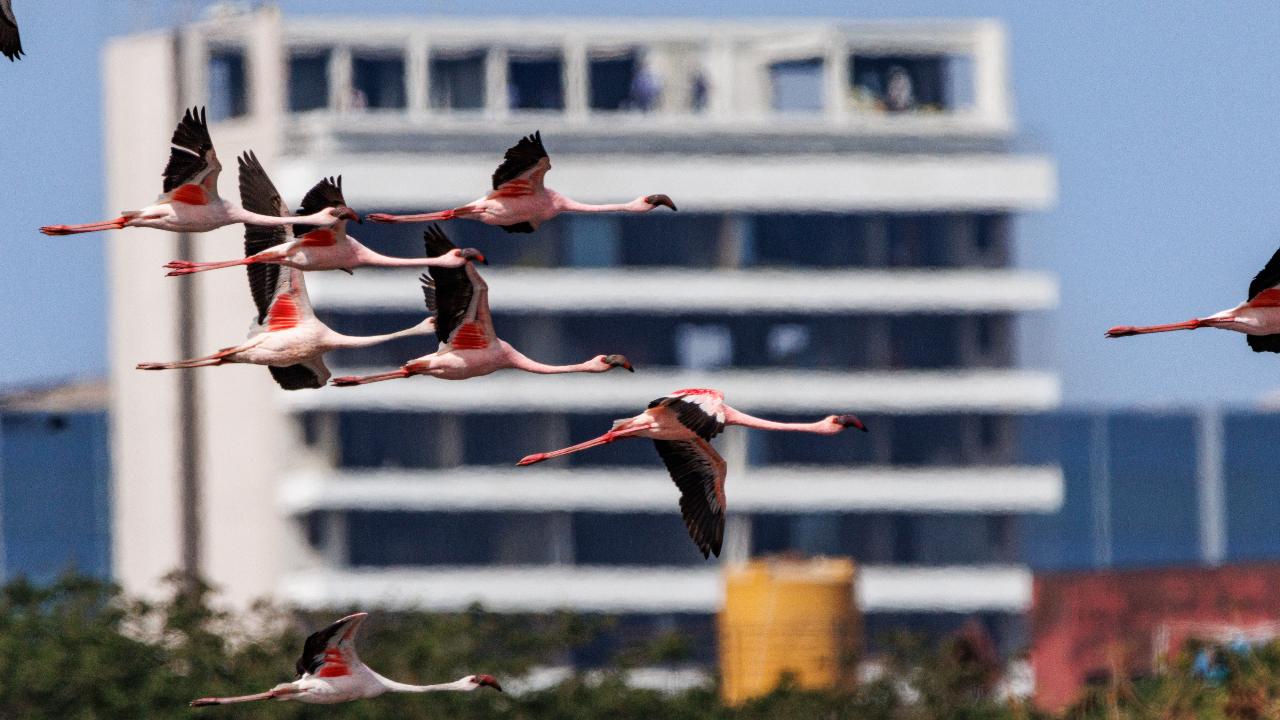
Owing to the rich biodiversity naturally available at T.S. Chanakya – it has emerged as a natural habitat for these pink pilgrims
6/10
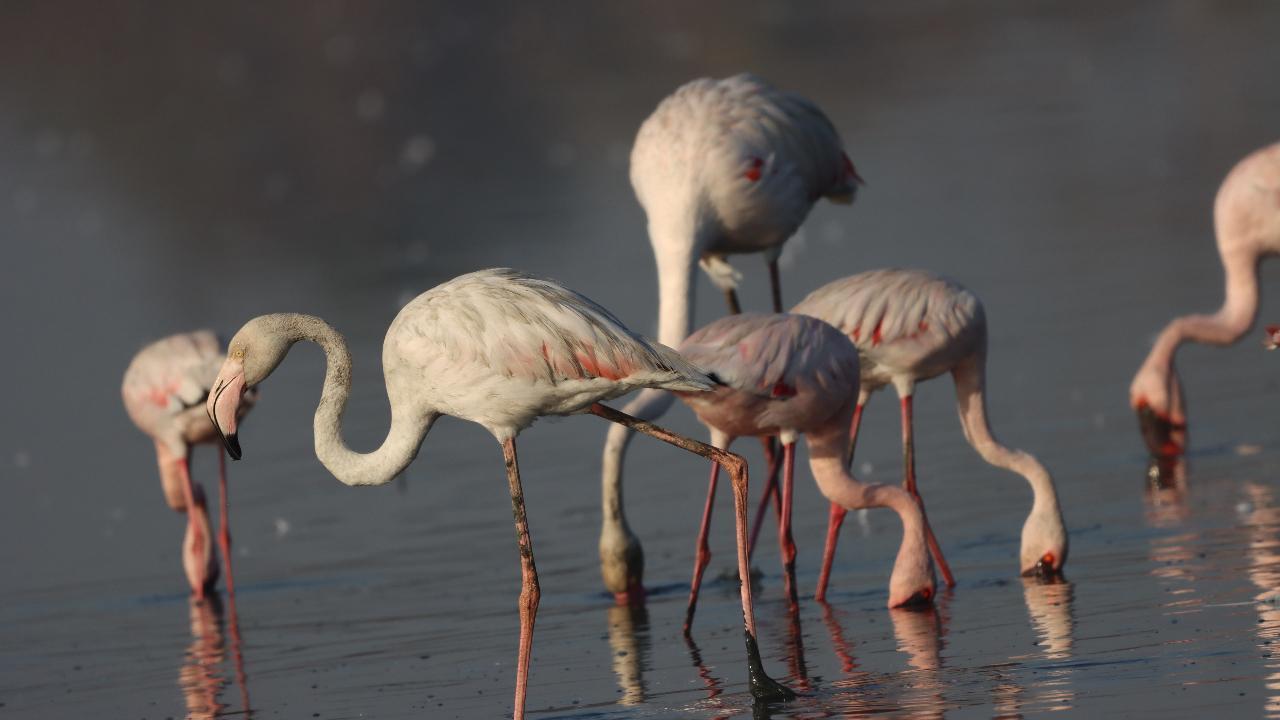
However, these habitats are threatened by the burgeoning real estate in the surrounding regions, share bird photographers and green activists
ADVERTISEMENT
7/10
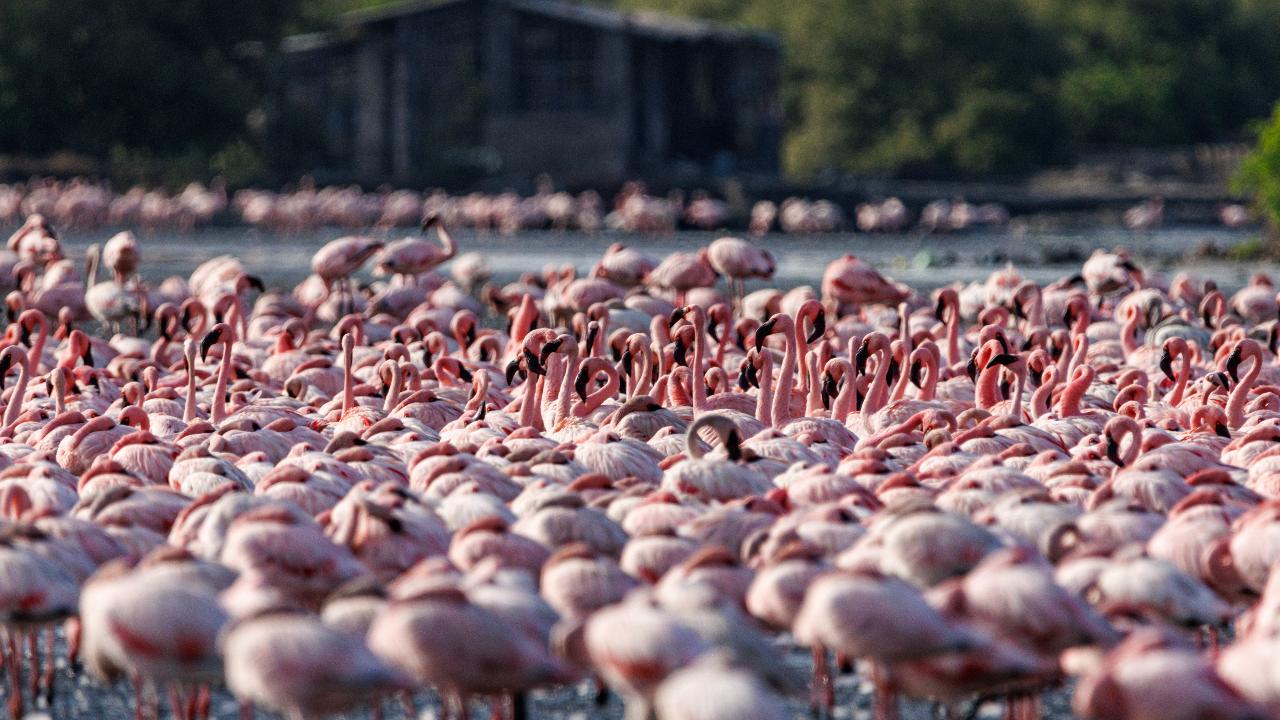
“The illegitimate filling up of wetlands and cutting of mangroves next to T.S. Chanakya is destroying their natural habitat,” reveals Vidyasagar Hariharan, a city-based birder and banker by profession
8/10
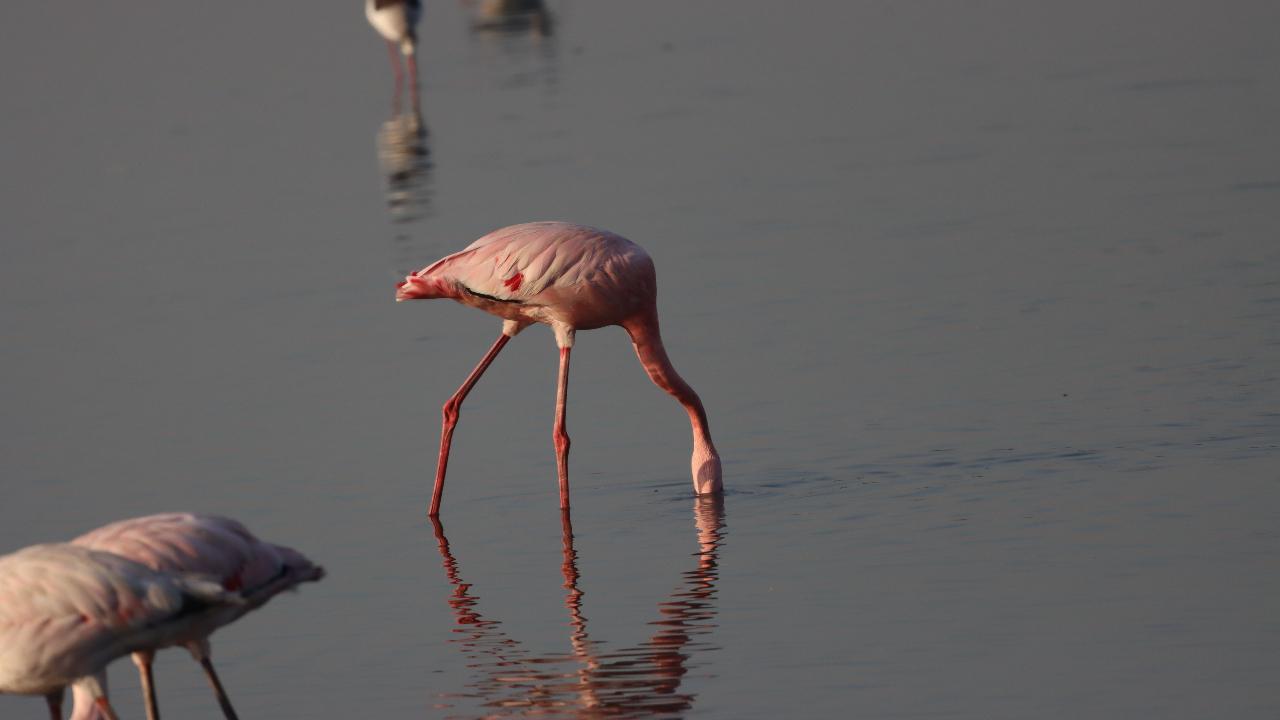
Hariharan has been documenting the juvenile greater flamingos, lesser flamingos and other waders in Mumbai’s wetlands since 2016
ADVERTISEMENT
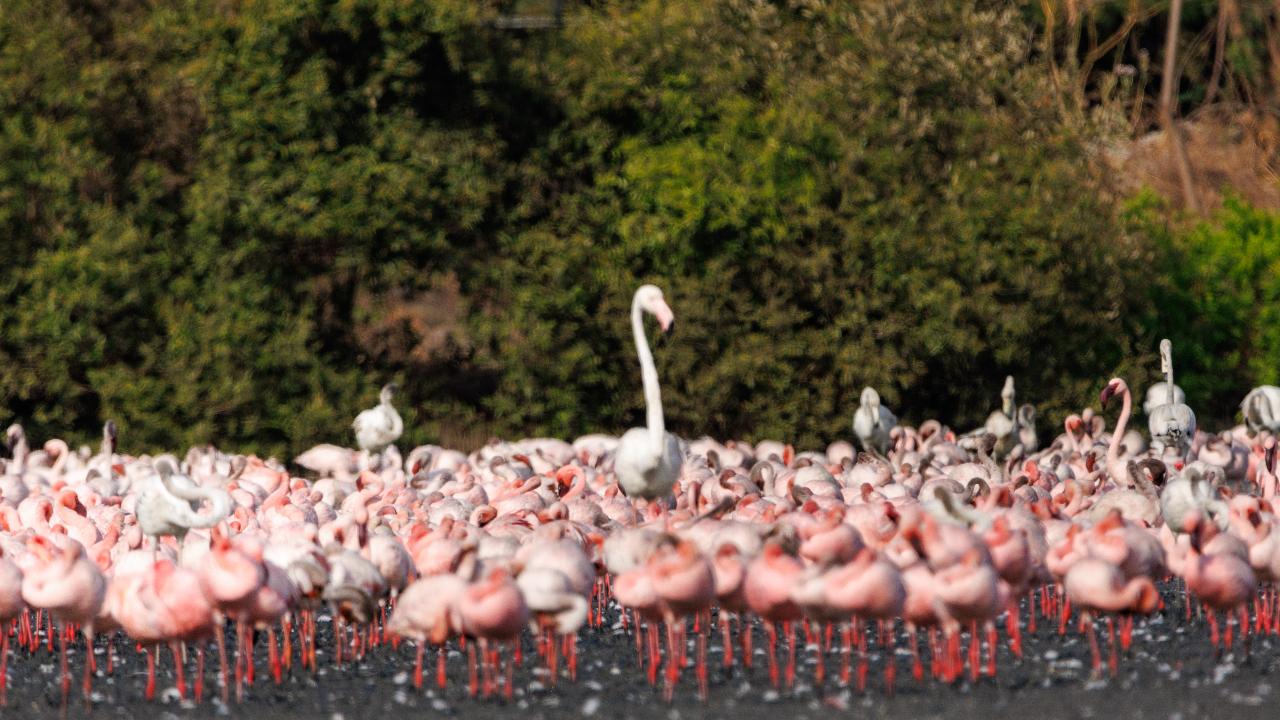
9/10
Additionally, the wetland champion and lawyer Sunil Agarwal has been working through his initiative Save Navi Mumbai environment to safeguard Navi Mumbai mangroves. Hariharan`s photographs are aiding the fight to protect Flamingo`s natural habitat
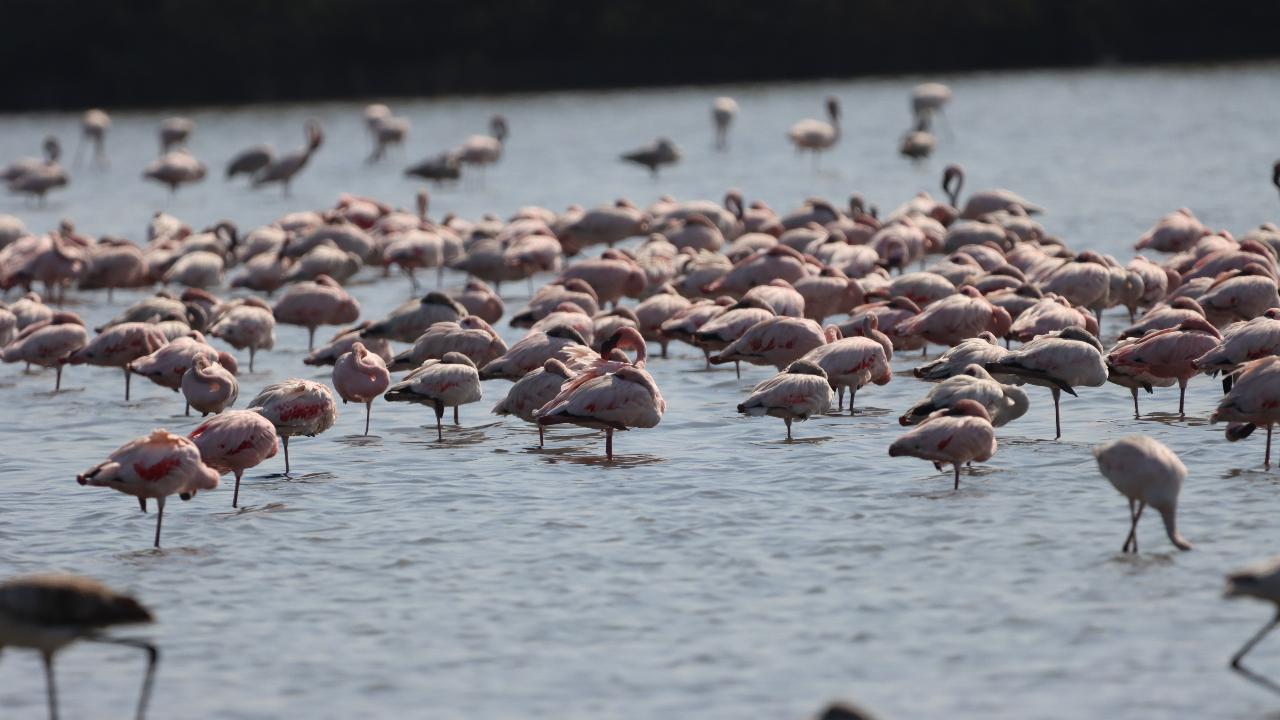
10/10
According to the statistics shared by BNHS, the wetlands of Mumbai are home to approximately 1,20,000 Flamingos during the peak of the winter season
ADVERTISEMENT
ADVERTISEMENT
Photo of Day

Breaking barriers and building pyramids — Women power in action!
Sashastra Seema Bal’s (SSB) Daredevils team performs during rehearsals for the Republic Day Parade, in New Delhi. PIC/PTI
ADVERTISEMENT