






Home / Lifestyle / Nature & Wildlife / Photos /
World Ozone Day: Understanding why it is important to protect the ozone layer
As the awareness around global warming increases, there is a need to understand why the ozone layer deserves to be protected. The layer in the Earth’s stratosphere has been depleting but it must be preserved to avoid harmful effects such as various types of skin cancers. On International Day for the Preservation of the Ozone Layer, here are interesting facts about the efforts in that direction

1/7
As the awareness around global warming increases, there is a need to understand why the ozone layer deserves to be protected. The layer in the Earth’s stratosphere has been depleting but it must be preserved to avoid harmful effects such as various types of skin cancers. On International Day for the Preservation of the Ozone Layer, here are interesting facts about the efforts in that direction
2/7
International Day for the Preservation of the Ozone Layer is celebrated annually on September 16. It has been observed since 1994. It commemorates the day in 1987 when countries around the world signed the `Montreal Protocol on substances that deplete the ozone layer`. Photo: AFP
ADVERTISEMENT
3/7
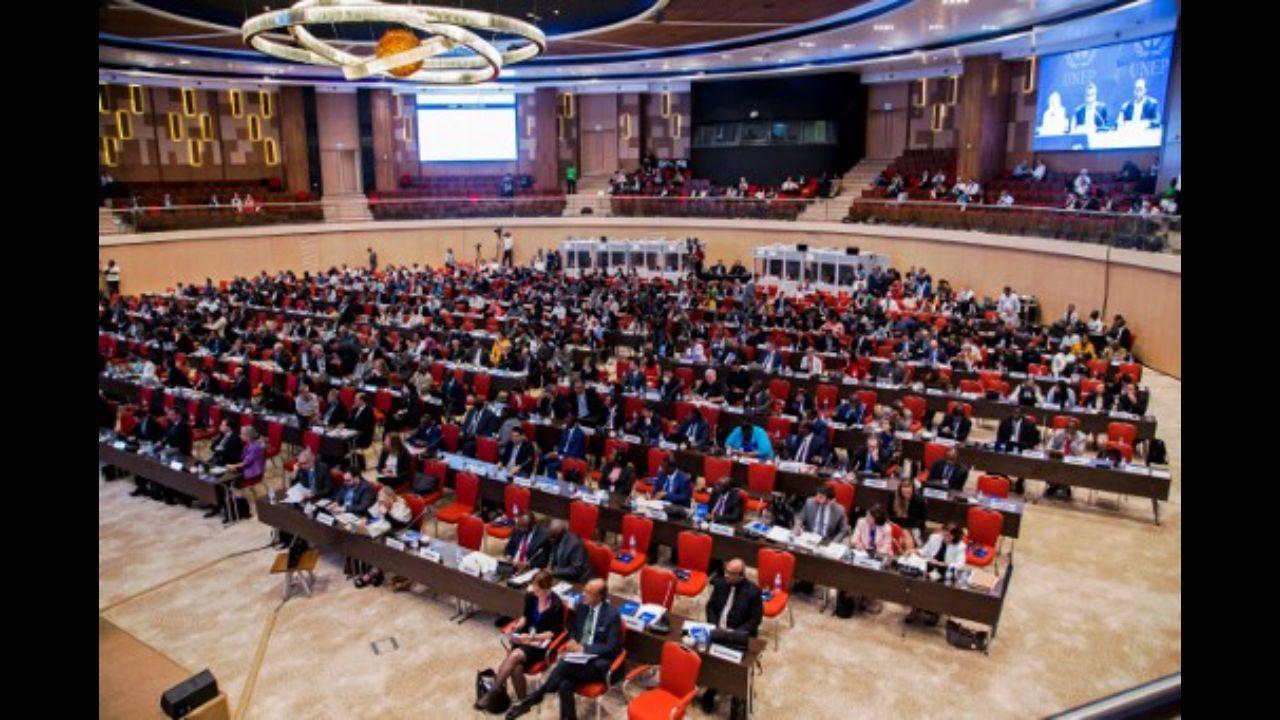
The `Montreal Protocol on substances that deplete the ozone layer`, commonly known as the Montreal Protocol, was put into place on September 16, 1987 and was formally acted upon on January 1, 1989. It involved the phasing out of every kind of substance that is responsible for the depletion of the ozone layer. In this photo, delegates attend the official opening of the 28th meeting of the Parties to the Montreal Protocol in Kigali on October 13, 2016. Photo: AFP
4/7
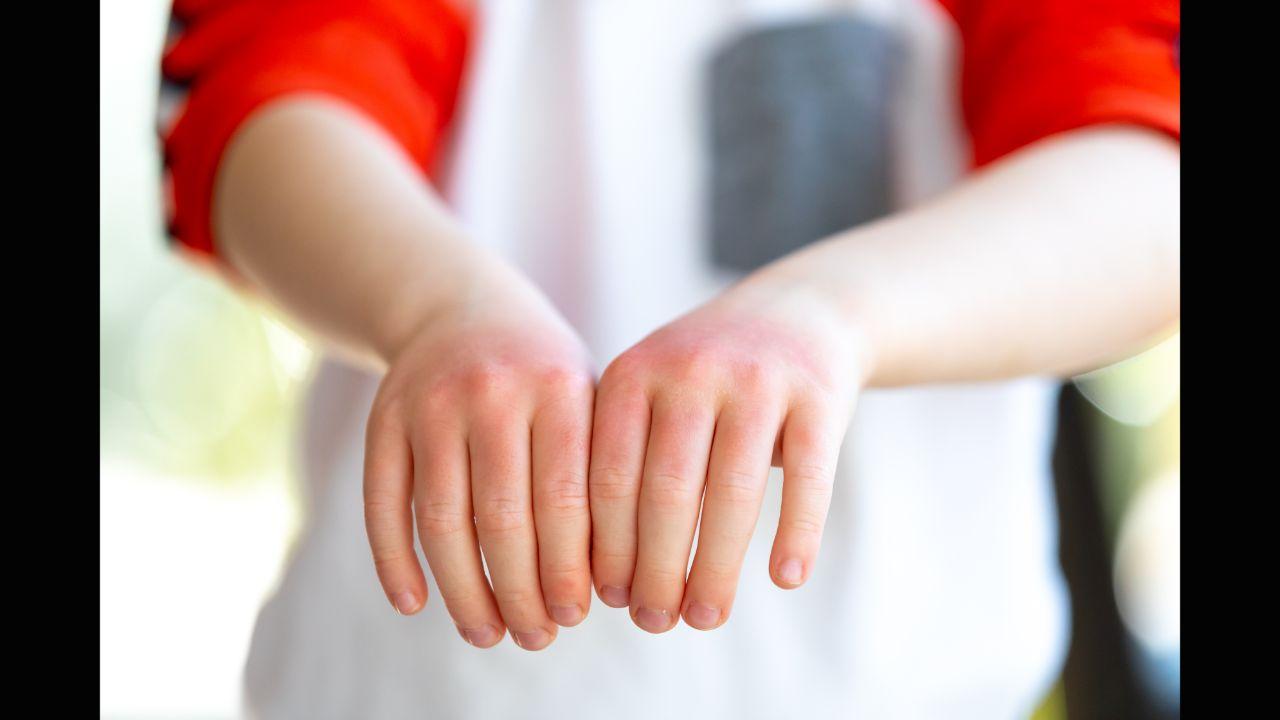
The ozone layer in the Earth`s stratosphere helps to trap the UV light emitted by the Sun. The UV radiation is of two kinds - UVA and UVB - and both are known to harm humans by causing sunburns and skin cancers. Image for representational purpose only. Photo: istock
ADVERTISEMENT

5/7
Among the many chemicals that cause damage to the ozone layer, the halocarbons which have bromine have higher ozone-depleting potential than those containing chlorine, according to the United Nations website. Some of the chemicals known to be harmful are chlorofluorocarbons (CFCs) and hydrochlorofluorocarbons (HCFCs) and methyl bromide. In this photo, an employee of Tradewater empties used refrigerants at the US company`s plant to dispose off the CFCs from gas canisters. Photo: AFP

6/7
The effectiveness of the Montreal Protocol led to it becoming one of only two treaties (the other being the Vienna Convention) to achieve universal ratification on September 16, 2009. The Montreal Protocol underwent an amendment on October 15, 2016 in Kigali, Rwanda, known as the Kigali Amendment, in an agreement among all the parties, to phase down hydrofluorocarbons (HFCs). In this photo, the president of the 28th meeting of the Parties to the Montreal Protocol and Rwanda`s minister of Natural Resources Dr Vincent Biruta, hits a hammer as a symbol of the adoption of the Kigali amendment on October 15, 2016 in Kigali. Photo: AFP
ADVERTISEMENT
7/7
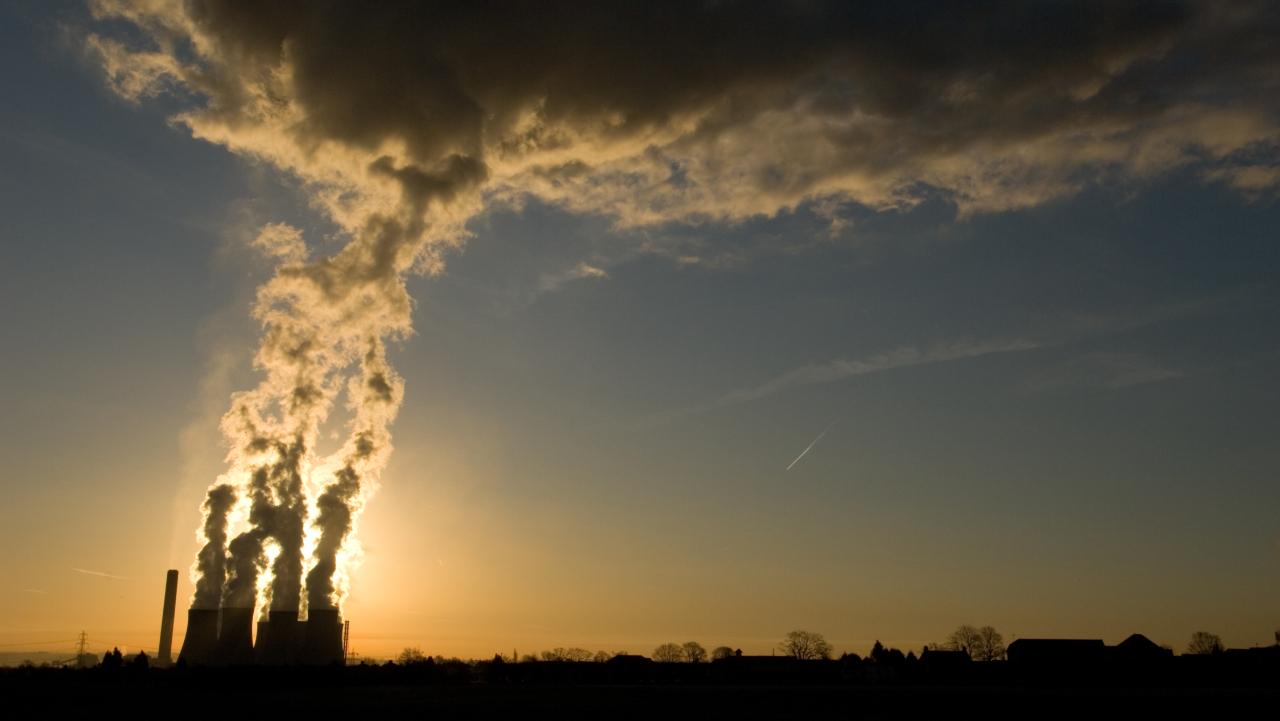
The 2022 theme for the International Day for the Preservation of the Ozone Layer is `Global Cooperation Protecting Life on Earth`. According to the UN Environment Programme, the theme showcases the wider impact that the Montreal Protocol has on the environment and the need to collaborate, forge partnerships, and thus develop cooperation around the world to address these challenges and protect life on earth for future generations. Photo Courtesy: istock
ADVERTISEMENT
Photo of Day
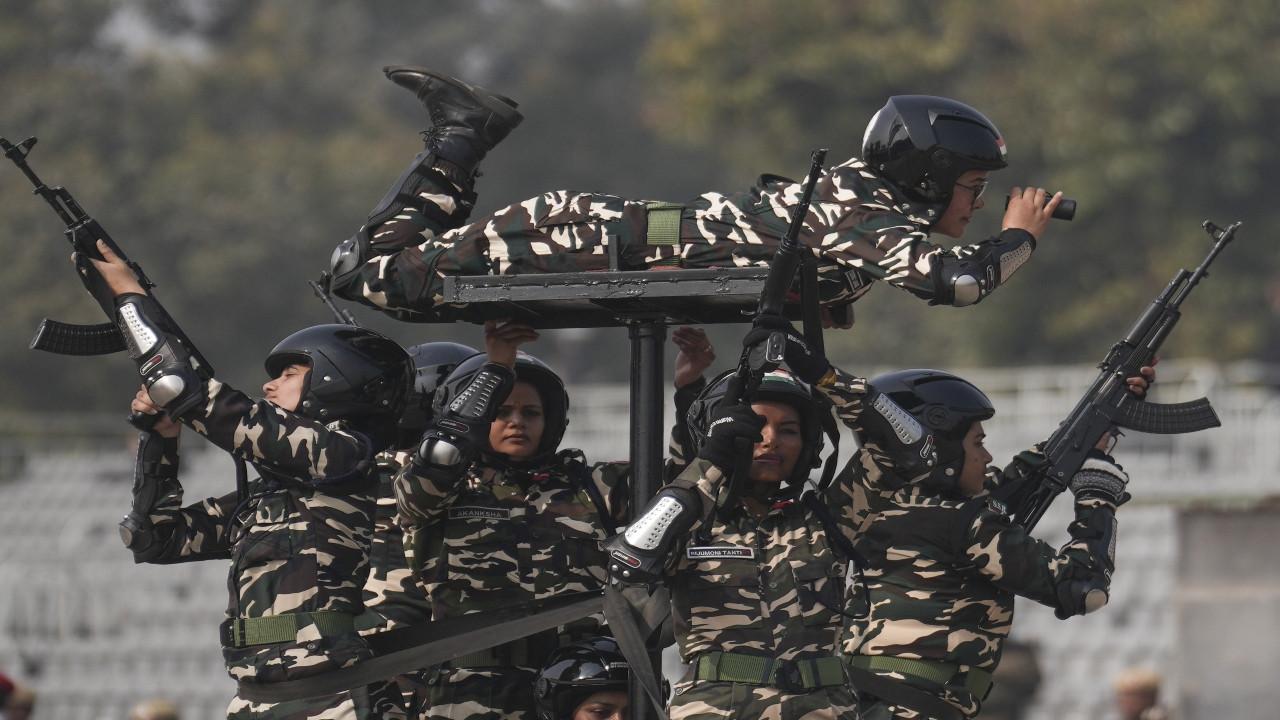
Breaking barriers and building pyramids — Women power in action!
Sashastra Seema Bal’s (SSB) Daredevils team performs during rehearsals for the Republic Day Parade, in New Delhi. PIC/PTI
ADVERTISEMENT
