Home / Mumbai-guide / Famous Personalities / Article /
'Ganga is world's most densely populated, agriculturally productive river system
Updated On: 16 August, 2017 09:10 AM IST | Mumbai | Krutika Behrawala
Explore how life sustains around the mighty Ganga river basin at a fascinating exhibition by a US-based scholar Anthony Acciavatti





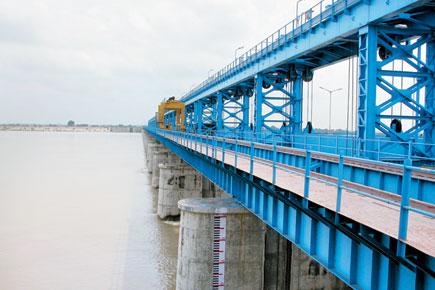
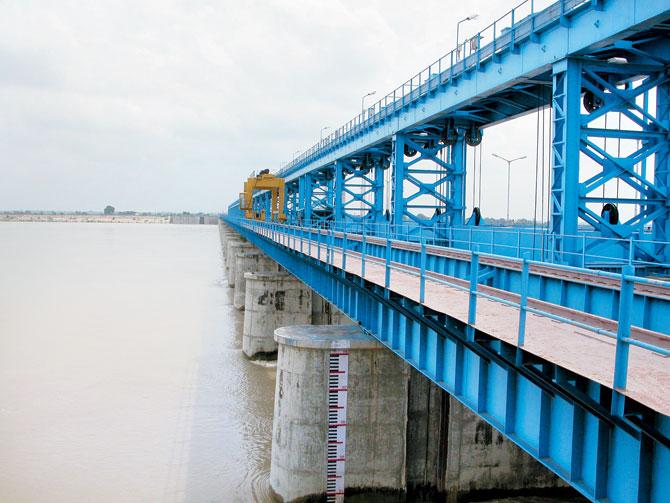
Ganga at Kanpur; this frame is a part of the exhibition that is divided into two parts. The first explores the Ganga basin's historical development, effects of monsoon on cities and building of canals, step wells and tubewells. The second visualises how and why these technologies are used and abused to provide water for drinking and agriculture
In 2005, Anthony Acciavatti, a New York-based professor at Columbia University, received a Fulbright Fellowship to study the Ganga river basin in India. "I thought it would take me a year to complete [the research]; instead, it took me nearly a decade, one that I spent hiking, driving, and boating across the basin in order to visualise its cyclical changes and understand the growing conflicts over water for drinking, agriculture, and industry," says Acciavatti. His study extends from the Gangotri glacier at Gaumukh to Patna in Bihar. He has documented a deep rhythm that organises and sustains life across the Ganga basin and examined in greater detail in the region between Allahabad and Varanasi. Trained as an architect and historian of science and technology, Acciavatti is busy putting finishing touches to the exhibition, The River Ganga: India's Iconic Water Machine, presented by the Columbia Global Centers, Mumbai.
Trending Stories
Latest Photos
Latest Videos
Latest Web Stories
ADVERTISEMENT
Mid-Day Fast
ADVERTISEMENT