






Home / Mumbai-guide / Mumbai Food / Article /
Sindhi Colony of Chembur records its partition memory
Updated On: 23 July, 2017 06:04 PM IST | Mumbai | Benita Fernando
<p>There is no dream of home in Chembur, where a refugee camp has a hidden tale about the Partition and mass human migration. An audio archive by architecture students from Mumbai is set to tell listeners just that</p>

Listen to this article :
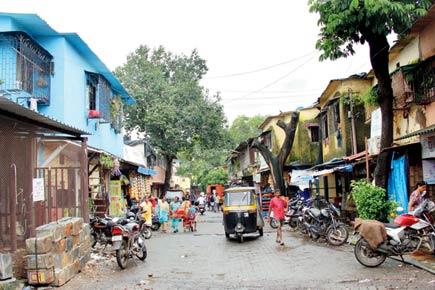

The old and new barracks at Chembur Camp. During the Partition, the barracks were given to working class refugees from Sindh as compensation for their loss of property. PIC/TANVI PHONDEKAR
Lalchand Nalandas sailed to Bhaucha Dhakka, as Ferry Wharf is called, in 1947 as his family escaped the violent effects of the Partition. Nalandas was six then, and barely remembers the ship they arrived in to safer havens in Bombay, but vividly recalls the many sweet shops that his family owned and the temple dedicated to Sitladevi near their home in Karachi, the capital of the province of Sindh. Nalandas runs a wedding card printing business from a dimly-lit room in the Old Barracks of Chembur Camp, where he has been living for 68 years. He rarely thinks about Karachi, where home once was. "What will we get by thinking about it?" he says, his rickety voice hardly betraying any nostalgia or longing. Speaking in Sindhi, his wife warns him that there is much work to be done and he better get on with his day.
Trending Stories
Latest Photos
Latest Videos
Latest Web Stories
ADVERTISEMENT
Mid-Day Fast
ADVERTISEMENT

ADVERTISEMENT