Home / Mumbai-guide / Things To Do / Article /
Barbie with Type 1 diabetes: Is it true representation?
Updated On: 16 July, 2025 09:05 AM IST | Mumbai | Anindita Paul
The recent launch of the first-ever Diabetic Barbie is pegged as a move towards representation, empowerment and inclusion for youngsters living with the condition. But does it live up to these claims?



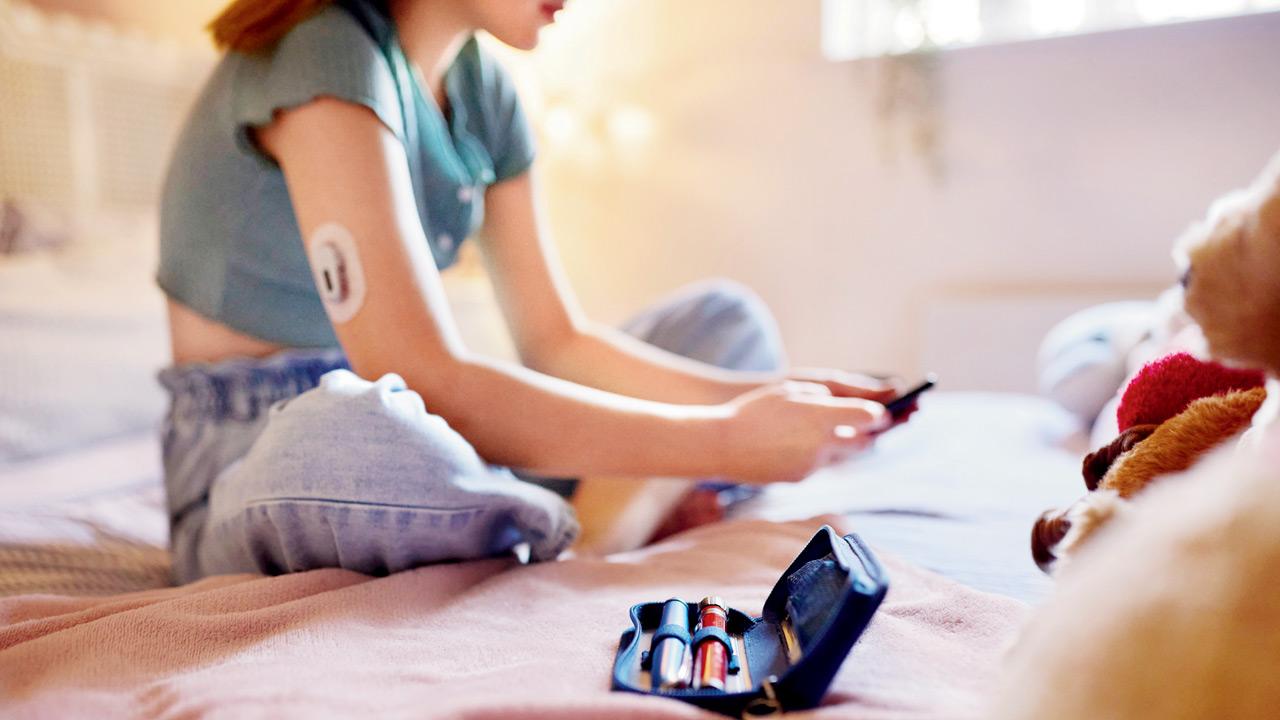
Such dolls could possibly help normalise Type 1 diabetes, especially among young impressionable children. REPRESENTATION PICS/ISTOCK
Barbie’s slogan — You can be anything — has taken on new meaning with the unveiling of the first doll with Type 1 diabetes. While Mattel, which has been releasing Barbie dolls with physical disabilities since 2019, claims that the decision was made ‘to enable more children to see themselves’ and the doll has been designed in collaboration with the global Type 1 diabetes not-for-profit Breakthrough T1D, the question of whether or not this was just another marketing gimmick with no real-world impact was raised by many social media users. Yet another lot wondered if the push towards representation had gone too far. We spoke to parents of young Type 1 diabetics and experts to investigate if the doll did live up to her maker’s claims of supporting those whose image she was created in.
 Children can be bullied and feel isolated in school due to the condition
Small but significant
Trending Stories
Latest Photos
Latest Videos
Latest Web Stories
ADVERTISEMENT
Mid-Day Fast
ADVERTISEMENT

ADVERTISEMENT