






Home / Mumbai-guide / Things To Do / Article /
This new book God's Own Empire celebrates ruler Marthanda Varma
Updated On: 14 August, 2025 09:39 AM IST | Mumbai | Fiona Fernandez
God’s Own Empire tells the story of 18th century ruler, Marthanda Varma, who ended Dutch rule, and built a powerful princely state on the Malabar Coast. We dissect five qualities of the statesman

Listen to this article :
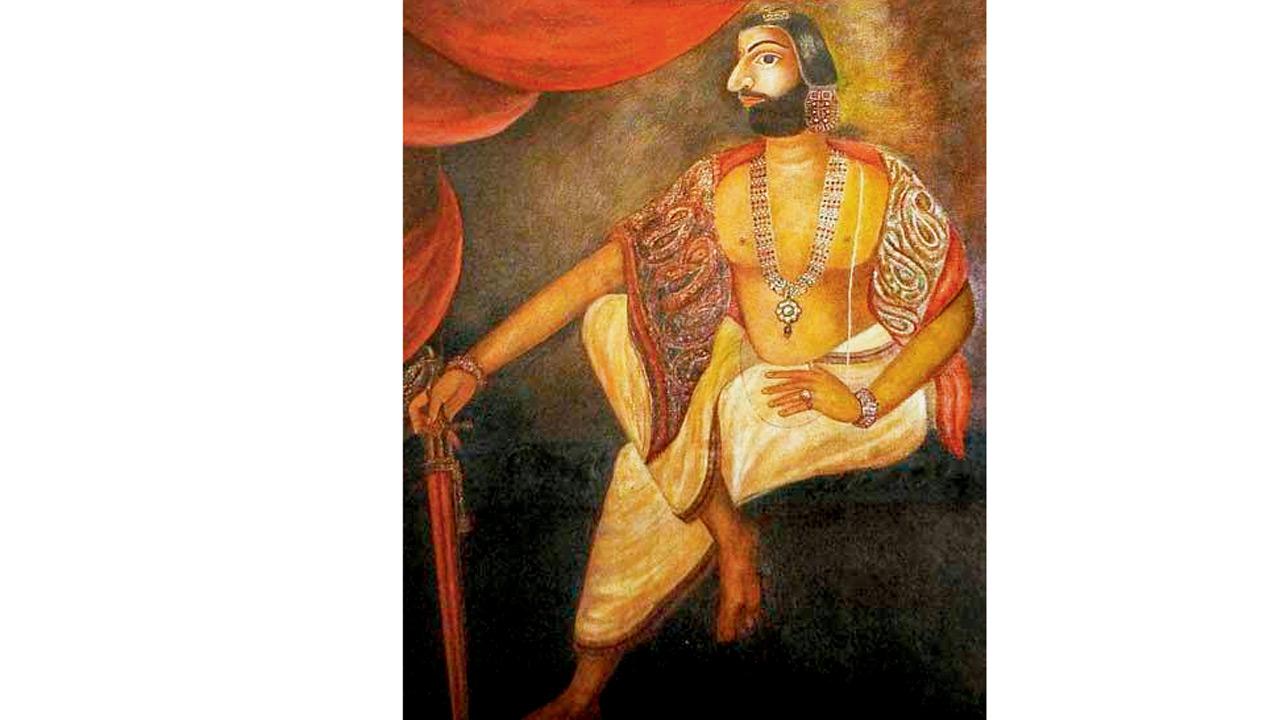
Marthanda Varma’s portrait. PICS COURTESY/WIKIMEDIA COMMONS; Raghu Palat
The birth of Anizham Thirunal Marthanda Varma in 1706 marked a momentous occasion — it was the first royal birth in the lineage after a long hiatus. His elders acknowledged that he represented the future of Travancore. Marthanda leadership would soon prove them right, as depicted in God’s Own Empire (Penguin India) by Raghu and Pushpa Palat.
1 Clarity of vision: As a boy, he was troubled by the disintegration of his kingdom, and the erosion of royal authority. He was upset with the idea of a powerless king reduced to a figurehead. As a 14-year-old, unable to remain silent, he approached the king, and pleaded for the chance to use his abilities to restore the dignity and strength of the Crown. Travancore was dominated by priests and nobles, and the king was subservient to their dictates. With a clear vision for restoring a strong monarchy Marthanda devised a two-pronged strategy — one that he would follow unwaveringly throughout his reign. First, he astutely recognised the Ettuveetil Pillamar (the nobles) and the priests as the principal opponents to royal authority. Determined to curb their influence, he deliberately dismantled their hold on power. Secondly, he believed that only a well-organised, formidable military could prevent internal chaos, and defend the kingdom from external threats.

The pillar at Colachel (Colachal) mentions the victory of the Travancore Army over the Dutch in 1741
Trending Stories
Latest Photos
Latest Videos
Latest Web Stories
ADVERTISEMENT
Mid-Day Fast
ADVERTISEMENT

ADVERTISEMENT