Home / Mumbai-guide / Things To Do / Article /
In safe hands
Updated On: 25 October, 2021 07:51 AM IST | Mumbai | Anindita Paul
A popular web series has highlighted how in the absence of timely diagnosis and treatment, members with mental illness can have serious and often devastating implications on the affected families





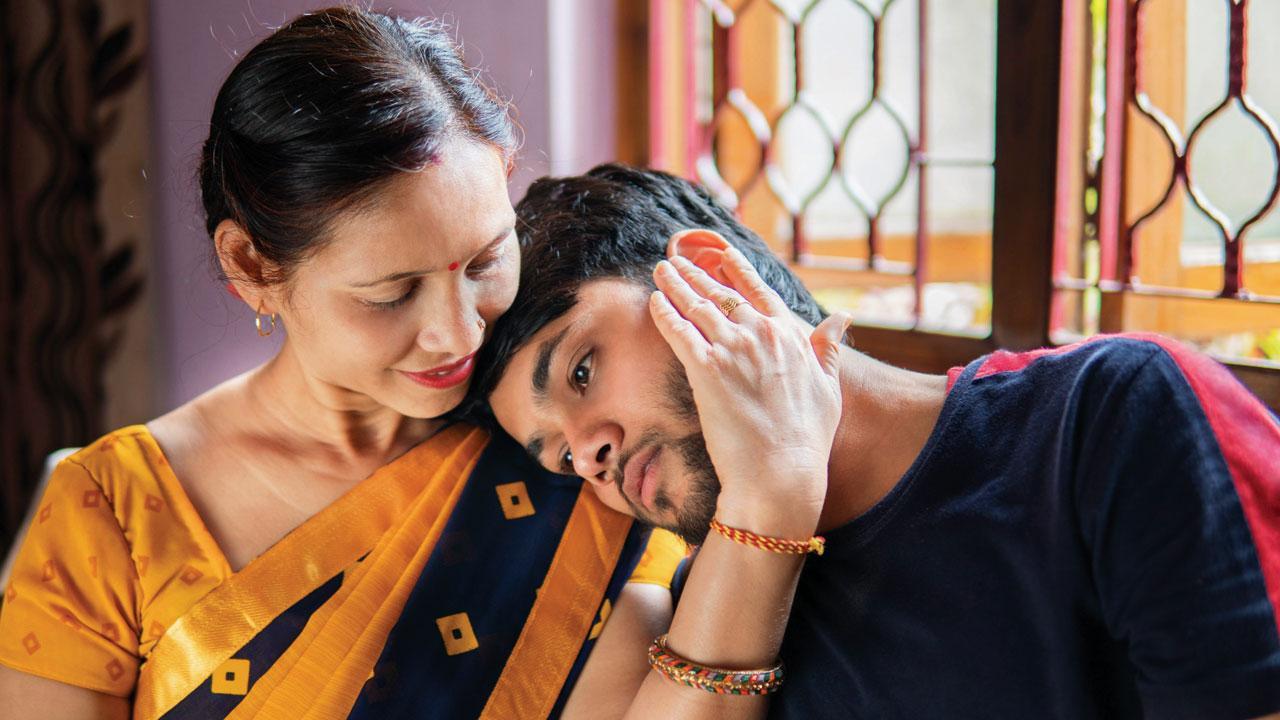
The earlier an individual has access to treatment, the smoother the recovery process will be
Netflix’s latest docuseries House of Secrets: The Burari Deaths tells a discomforting tale of the demise of three generations and 11 members of the Delhi-based Bhatia family. In addition to its whodunit narrative style, what has captured the attention of audiences in India was the fact that a relatively normal-seeming, educated and high-functioning family could fall prey to undiagnosed mental illness and dangerous superstitions, with such dangerous outcomes. “In our society, while mental illness has become a talking point of late, when confronted with it, most people respond with denial. There’s always a sense of ‘this can’t be happening to me’. This is because mental illness is associated with a lack of strength. And unlike physical illnesses, where symptoms such as pain are legitimised as requiring
medical attention, mental symptoms such as over-thinking or depression, inflexibility or irrational fears are often considered personality traits that the rest of the family must learn to live around. There’s a marked resistance to accepting that these are symptoms of mental illness and the idea that the illness can be treated,” explains Dr Nahid Dave, a psychiatrist at Thought Matters.
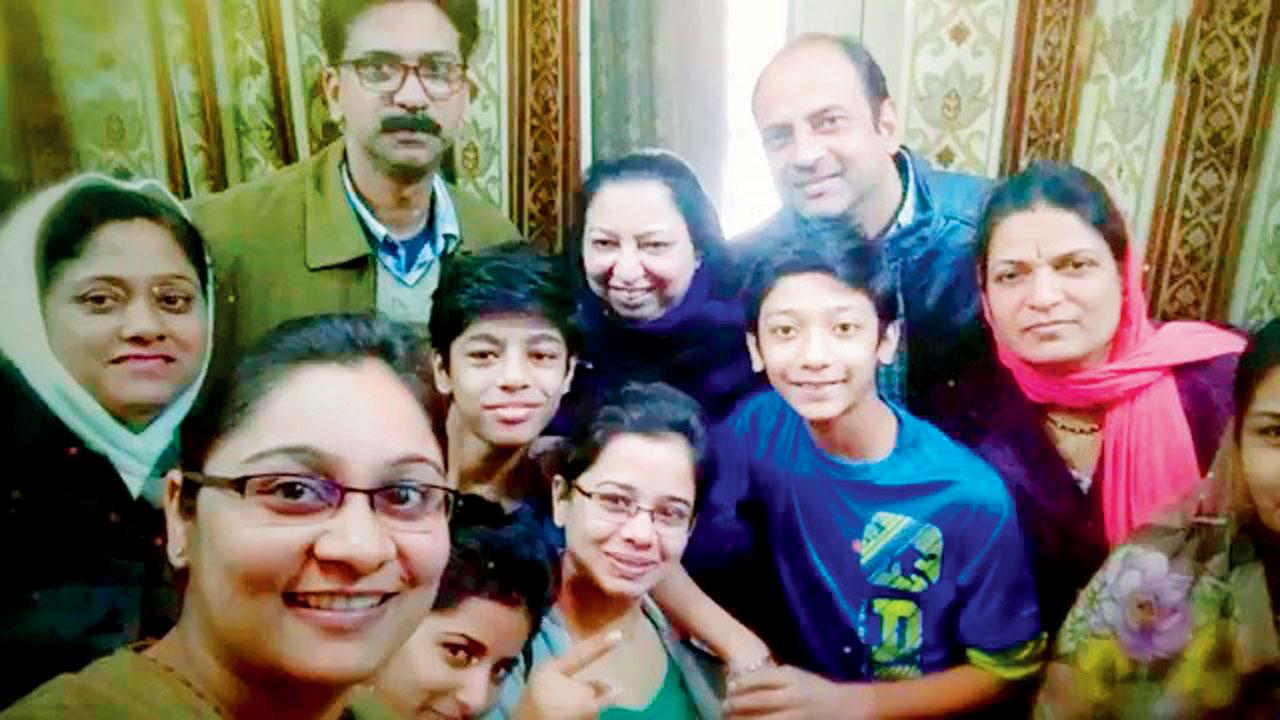
A still from the Netflix docuseries. Pic/Instagram
Trending Stories
Latest Photos
Latest Videos
Latest Web Stories
ADVERTISEMENT
Mid-Day Fast
ADVERTISEMENT