






Home / Mumbai-guide / Things To Do / Article /
Sowing opportunities
Updated On: 19 January, 2019 08:03 AM IST | Mumbai | Snigdha Hassan
In a bid to support indigenous knowledge about local produce from the eastern Sahyadris, four Mumbaikars join hands with village elders and a research foundation to start a seed bank in early February

Listen to this article :
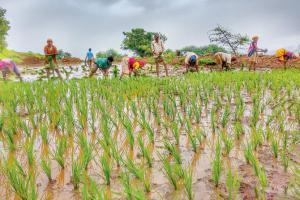
Farmers at work in the eastern Sahyadris
Development, or the one-track, dominant idea of development that most modern societies believe in, is a double-edged sword. The ones it eludes hunger after it. And those it touches grapple with it like an albatross around their neck. For centuries, farmers dwelling in the tribal villages on the eastern Sahyadris around Ahmednagar grew crops that had the gene pool to survive in the hilly areas that was prone to soil erosion and where it would rain incessantly for months on end. Fruits and vegetables were picked from the forest, and life went on in perfect harmony with nature.
Then came the realisation that chopping down their forests would make way for intensive agriculture, giving them unprecedented yield and returns. But with the fury of climate change unravelling, the harmful impacts of chemical-intensive cultivation started becoming apparent. Ironically, the farmers had the armour to combat crop failure all along, but it took one elderly village woman, a committed official of a research foundation and four Mumbaikars, who had given up their day jobs, to come together to rekindle their belief in traditional knowledge systems and indigenous varieties of crops. The farmers in the villages located inside the Harishchandra Kalsubai Wildlife Sanctuary still have a long way to go, but things are beginning to change.
Read Next Story
Trending Stories
Latest Photos
Latest Videos
Latest Web Stories
ADVERTISEMENT
Mid-Day Fast
ADVERTISEMENT

ADVERTISEMENT