Home / Mumbai-guide / Things To Do / Article /
Spotlight on the Adivasis by filmmaker Niranjan Kumar Kujur
Updated On: 30 May, 2024 09:15 AM IST | Mumbai | Shriram Iyengar
In an online talk, a filmmaker uses his own heritage to decode the history and visibility of the indigenous community on the big screen





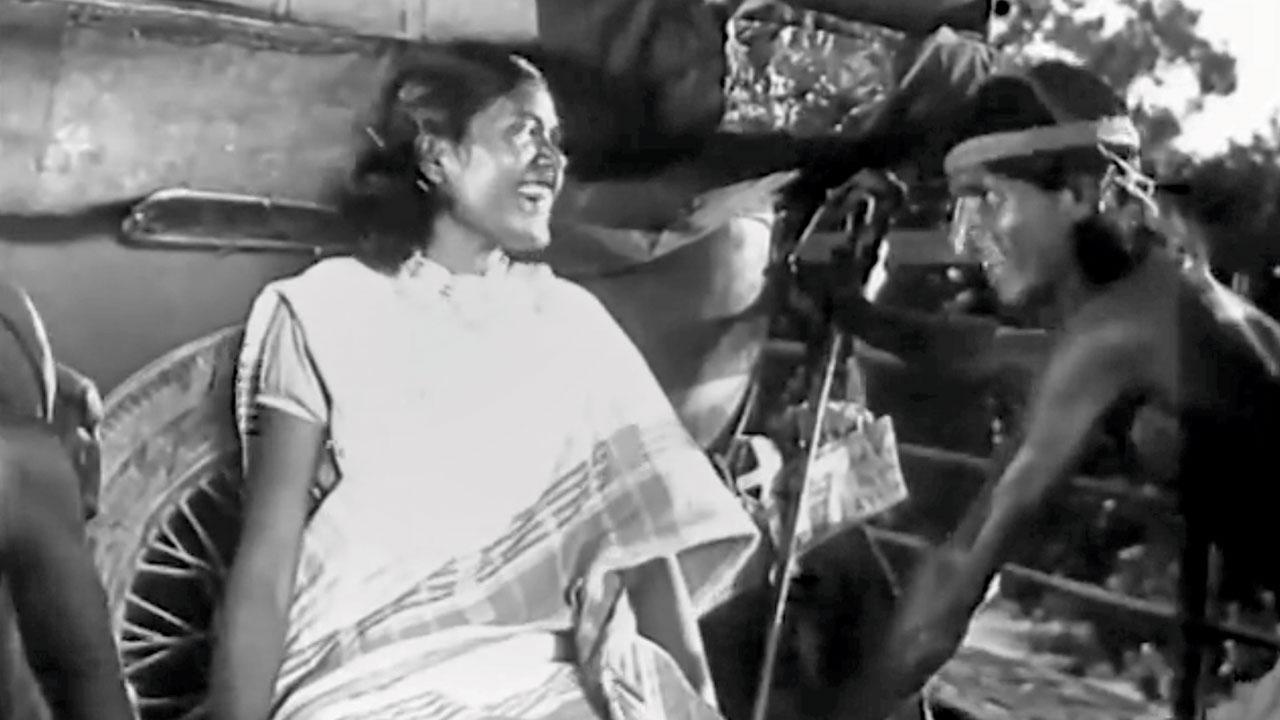
A moment from Ghatak’s Ajantrik. Pics Courtesy/Niranjan Kumar Kujur
If you ever grew up as a fan of pulp Hindi cinema, or RD Burman’s music, there is a chance that you would have heard the phrase ‘Jinga la la hoo’ being sung. The chorus of the song, Hum bewafa from the 1970s camp action film, Shalimar, might seem like an embarrassing but funny memory of childhood for many. For many, it is not. Filmmaker Niranjan Kumar Kujur recalls, “It made things difficult for about six or seven years in school.”
This unconsciously patronising and occasionally disturbing portrayal of indigenous life on screen will be part of Kujur’s online talk, Adivasi Image in Indian Cinema, today. The talk is hosted by Jehangir Nicholson Arts Foundation (JNAF) with the Tribal Design Forum as part of the exhibition, A Forest In The City.
Trending Stories
Latest Photos
Latest Videos
Latest Web Stories
ADVERTISEMENT

Ganeshotsav 2026

ADVERTISEMENT