






Home / Mumbai / Mumbai News / Article /
Covaxin booster has 77.8 per cent efficacy against Covid variants
Updated On: 24 July, 2022 05:30 PM IST | Mumbai | Vinod Kumar Menon
Health experts say the study has put the indigenous vaccine among global ones, but say need long-term studies

Listen to this article :
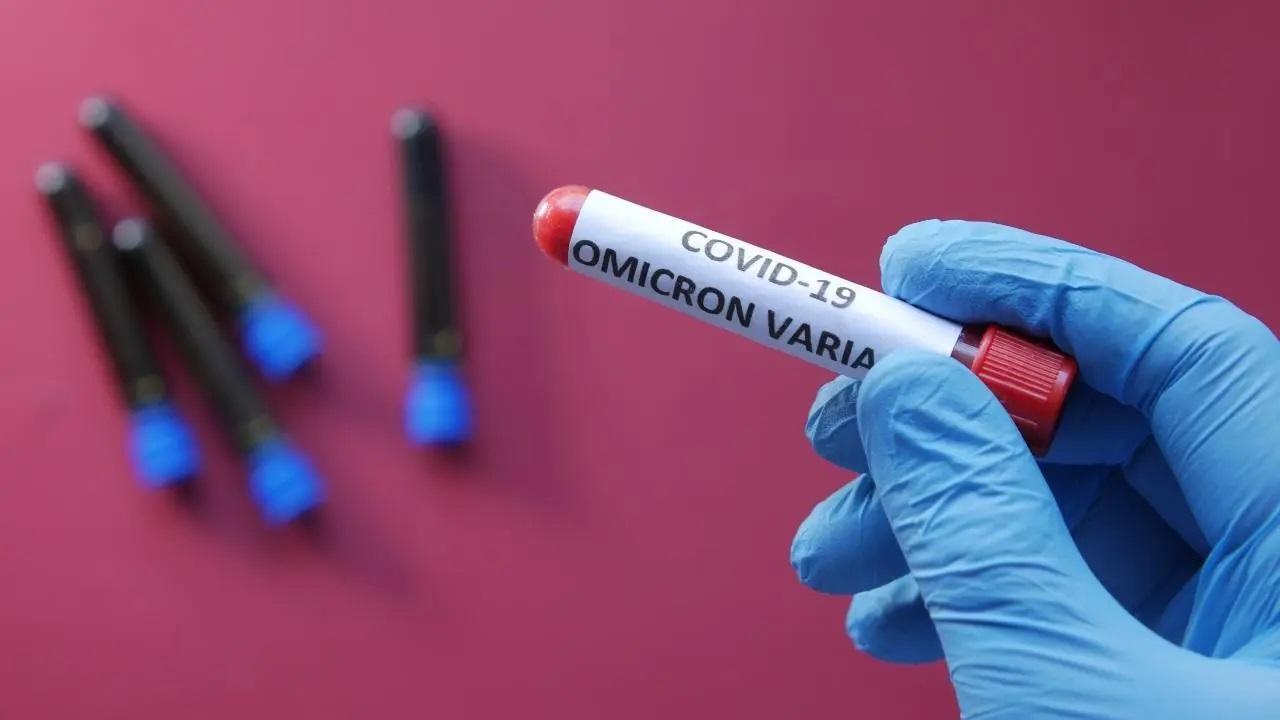
Representative image
Amid the debate over the efficacy of booster dose against new variants of SARS-CoV-2, the virus that causes Covid-19, a recent study published in the journal Nature Scientific Report stated that Covaxin is equally effective as 20 other global vaccines. Health experts, however, remained cautious and called for longer studies on preventing occurrence of autoimmune diseases in people with rheumatoid markers affecting heart, kidney, brain, blood and liver as a result of frequent booster doses.
Vaccine efficacy
“Covaxin is an ancestral whole-virion inactivated SARS-CoV-2 vaccine that is adsorbed onto alum adjuvant to improve its immunogenicity. In 2020, the 6-µg dose of Covaxin was selected for assessment in a phase-3 efficacy trial in which it had demonstrated an overall efficacy of 77.8 per cent against any Covid-19 and 65.2 per cent against the Delta variant. A recently published Phase-2 double-blind study in a peer-reviewed medical journal that assessed the persistence of neutralising antibodies up to 6 months after a two or three‑doses of Covaxin in a randomised controlled trial. The study has reported persistence of humoral and cell mediated immunity up to 12 months. Administration of a third dose increased neutralisation titers against both ancestral and variant strains, namely Alpha, Beta, Delta, Delta Plus and Omicron, with persistent T-cell immunity. Thus, seroconversion rate remained high in boosted recipients compared to non‑boosted individuals, even after 6 months,” said Dr Subhash Hira, professor of Global Health at University of Washington-Seattle and a member of several Covid-vaccine panels at WHO-Geneva.
Trending Stories
Latest Photos
Latest Videos
Latest Web Stories
ADVERTISEMENT
Mid-Day Fast
ADVERTISEMENT

ADVERTISEMENT