






Home / Mumbai / Mumbai News / Article /
Just what is the Election Commission of India hiding about voter lists?
Updated On: 11 August, 2025 07:32 AM IST | Mumbai | Vinod Kumar Menon
Transparency group CHRI’s requests on ineligible voter names and public meeting reports have been denied, delayed, or redirected, says its director, Venkatesh Nayak

Listen to this article :
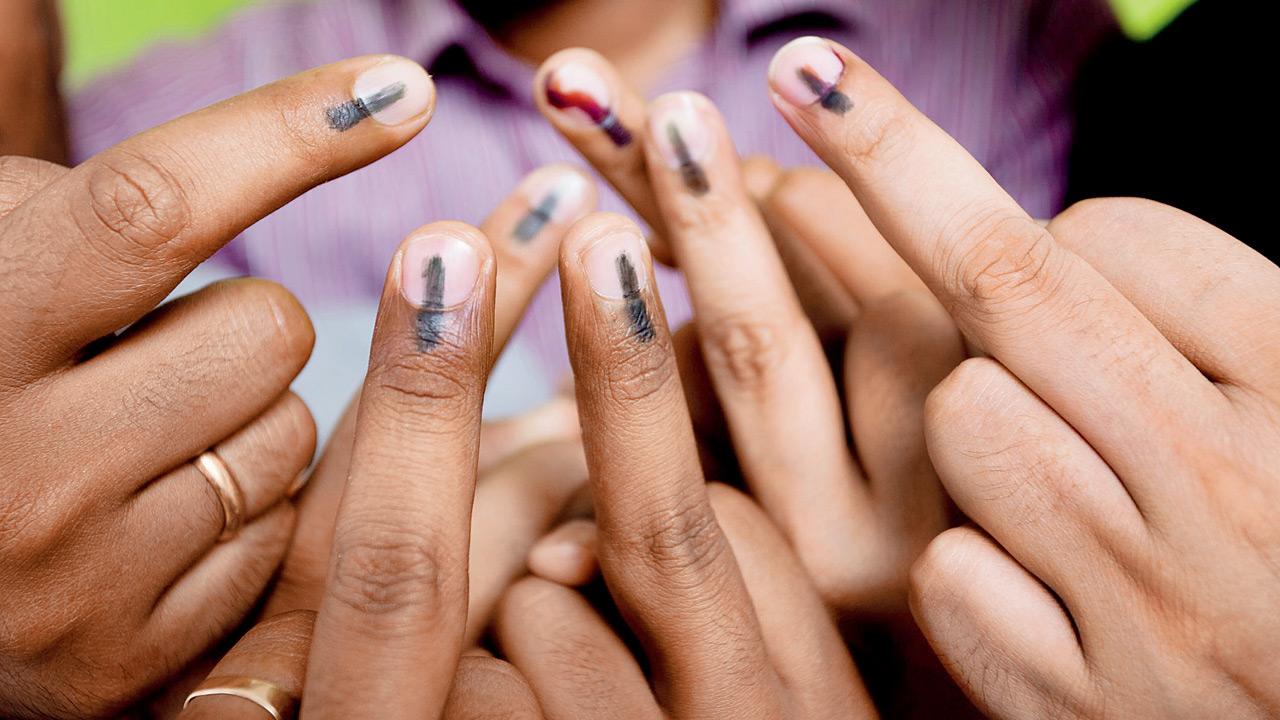
Civil liberties group warns unchecked errors in electoral rolls could sway close contests and undermine public trust. REPRESENTATION PIC/ISTOCK
In June 2025, the Election Commission of India (ECI) launched a special campaign in Bihar to “clean up” voter lists, citing the presence of ineligible or duplicate names — possibly even foreign nationals — in the rolls. While this may appear reasonable, it raises a deeper question in places like Mumbai, where elections are often decided by narrow margins: how did such names enter the lists in the first place?
The answer, revealed through Right to Information (RTI) requests (copy with mid-day) filed by the Commonwealth Human Rights Initiative (CHRI), a Delhi-based civil liberties group, points to something more troubling — the ECI not only evading accountability but possibly obstructing it.
On June 24, the ECI ordered a Special Intensive Revision (SIR) in Bihar to remove ineligible voters. Legally, enrolment requires an application, public notice, time for objections, and verification, before approval by an electoral registration officer (ERO) or assistant ERO (AERO). If such names still slip through, it reflects negligence or wilful failure by these officials.
Trending Stories
Latest Photos
Latest Videos
Latest Web Stories
ADVERTISEMENT
Mid-Day Fast
ADVERTISEMENT

ADVERTISEMENT