






Home / Mumbai / Mumbai News / Article /
Pahalgam terror attack: Army veterans decode tactical failures and security gaps
Updated On: 24 April, 2025 12:42 PM IST | Mumbai | Katyayani Kapoor
Pahalgam terror attack has raised serious questions on India’s security as the country’s forces strive to take control of one of the deadliest terrorist attacks in the recent years. Army veterans demystify the tactical planning and systemic lapses

Listen to this article :
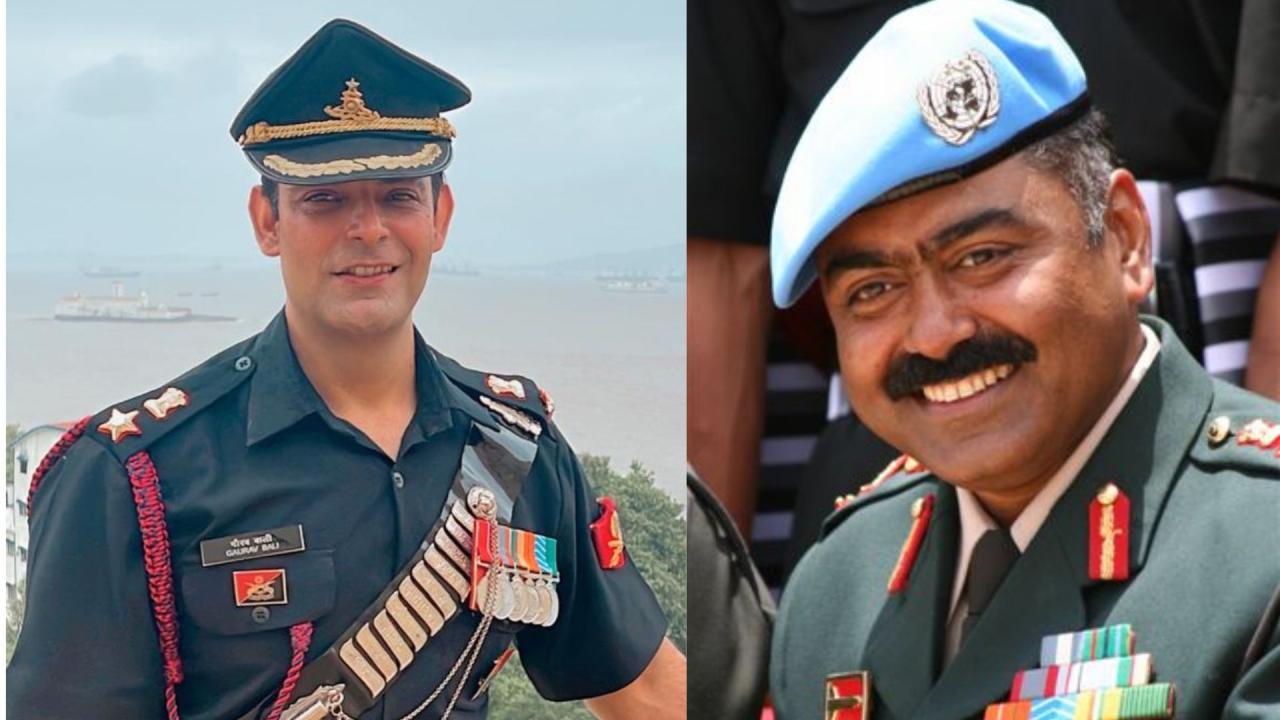
Col Ashutosh Kale and Lt Col Gaurav Bali, SM (Retd.), are seasoned Indian Army veterans with extensive counterinsurgency experience in Kashmir`s most volatile regions
As the nation recovers from the shocking tragedy, it raises several critical questions on India’s security and vulnerabilities. What could have been the tactical planning behind this seemingly well-planned attack on civilians that killed at least 26 people?
Colonel Ashutosh Kale who has spent long years in Kashmir, fighting insurgency and conducting anti-terrorist operations demystifies the tactical planning and systemic lapses. “There can be several factors that would have been considered while planning. This can range from using a local guide, creating a base close to the attack site to analysing the timing of the attack based on the peak hours for the crowd to gather at the spot. Infiltration route along with the exfiltration route for the terrorist would have been figured out too based on which route gives them a discreet passage to go undetected and let them escape quickly after the attack,” he mentions. Colonel Ashutosh, who has operated in the Pahalgam- Kani Marg area during his service believes that the absence of security forces close by at the attack site would have been considered to carry out the attack.
Lt Col Gaurav Bali, SM (Retd.), a decorated Indian Army veteran with over 22 years of service, including more than a decade of operational experience in Kashmir and other insurgency affected regions stresses on intensive planning to carry out an attack like this. “Terrorist attacks of this nature are rarely spontaneous; they are marked by layered and deliberate planning. Likely components include reconnaissance, route familiarisation, identification of soft targets, insider intelligence and planned exfiltration. Given the location, an area frequented by tourists, they most likely studied footfall trends, identified security rotation gaps and exploited periods of low vigilance. The targeting of a tourist vehicle suggests a psychological aim: to instil fear, create disruption and tarnish the region’s image, beyond just inflicting casualties," he says.
Trending Stories
Latest Photos
Latest Videos
Latest Web Stories
ADVERTISEMENT
Mid-Day Fast
ADVERTISEMENT

ADVERTISEMENT