Home / Mumbai / Mumbai News / Photos /
In Photos: Here's how the Mumbai Trans Harbour Link looks after inauguration
Updated On: 12 January, 2024 07:40 PM IST | Editor
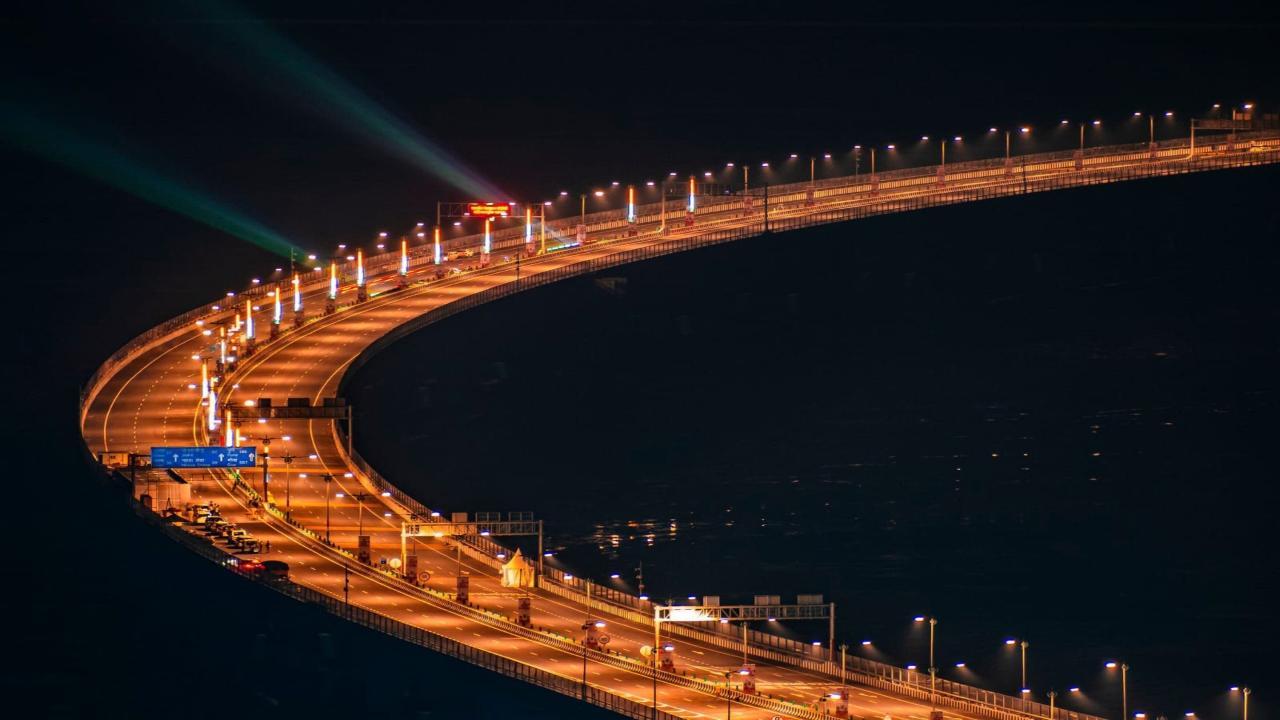
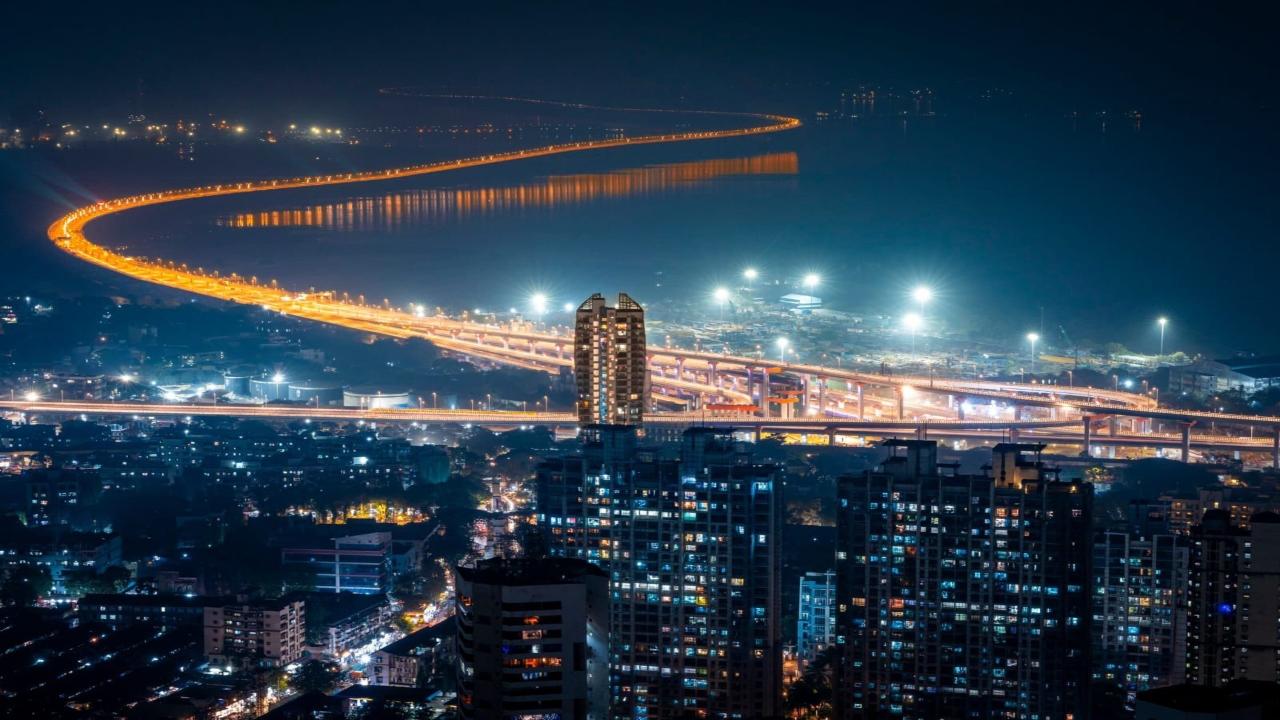
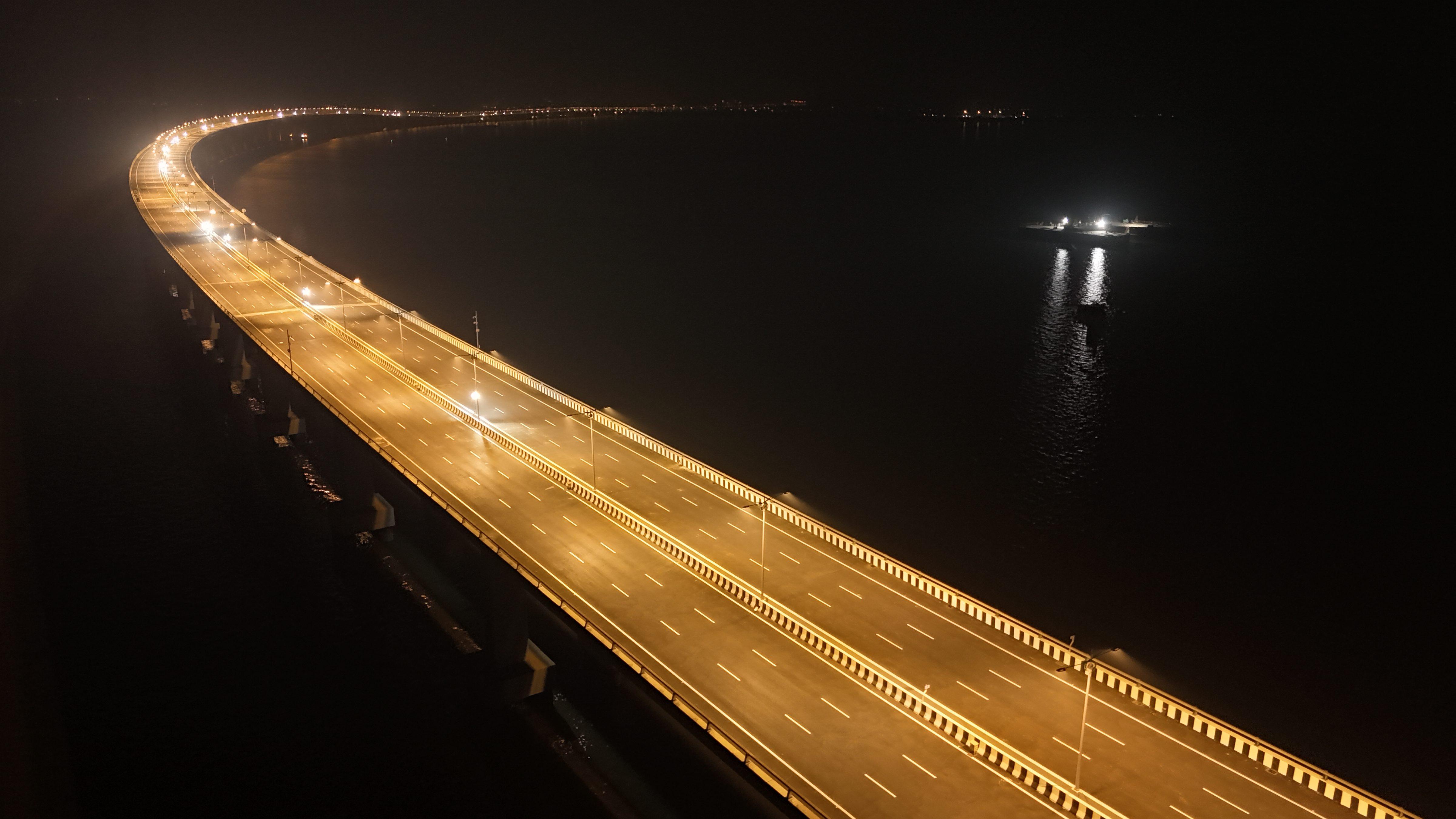
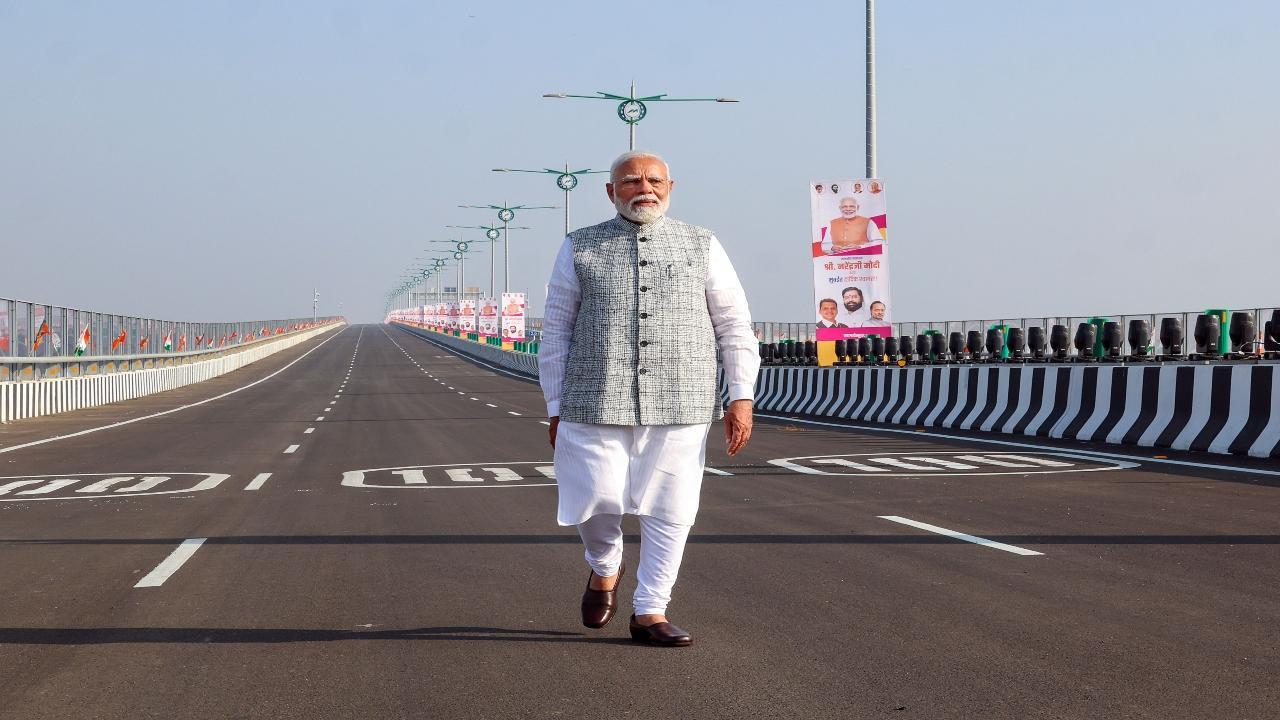
Prime Minister Narendra Modi on Friday inaugurated the Mumbai Trans Harbour Link (MTHL), a monumental infrastructure project built at a cost of Rs 21,200 crore. Named 'Atal Bihari Vajpayee Sewari-Nhava Sheva Atal Setu,' this bridge stands as the longest sea bridge in India and ranks 12th globally. (Pics/MMRDA/ANI)



1/7
2/7
Beginning from Sewri in Mumbai and concluding at Nhava Sheva in Uran taluka, Raigad district, the bridge significantly reduces travel time between Mumbai and Pune Expressway, now providing a seamless connection to the upcoming Navi Mumbai International Airport.
ADVERTISEMENT
3/7
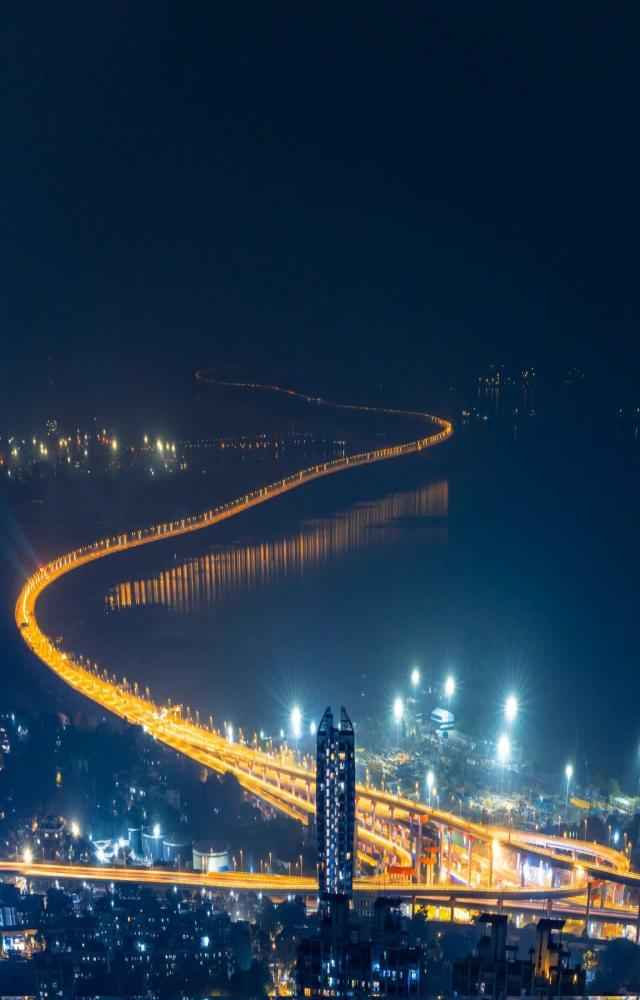
The Mumbai Trans Harbour Link spans six lanes, covering 16.50 kilometers over the sea and an additional 5.50 kilometers on land. To support the project's costs, the Maharashtra government has approved a one-way toll of Rs 250 for cars using the Mumbai Trans Harbour Link. Toll charges for return journeys and frequent travelers will vary, subject to revision after a one-year review from the start of operations, according to the Maharashtra cabinet's decision.
4/7
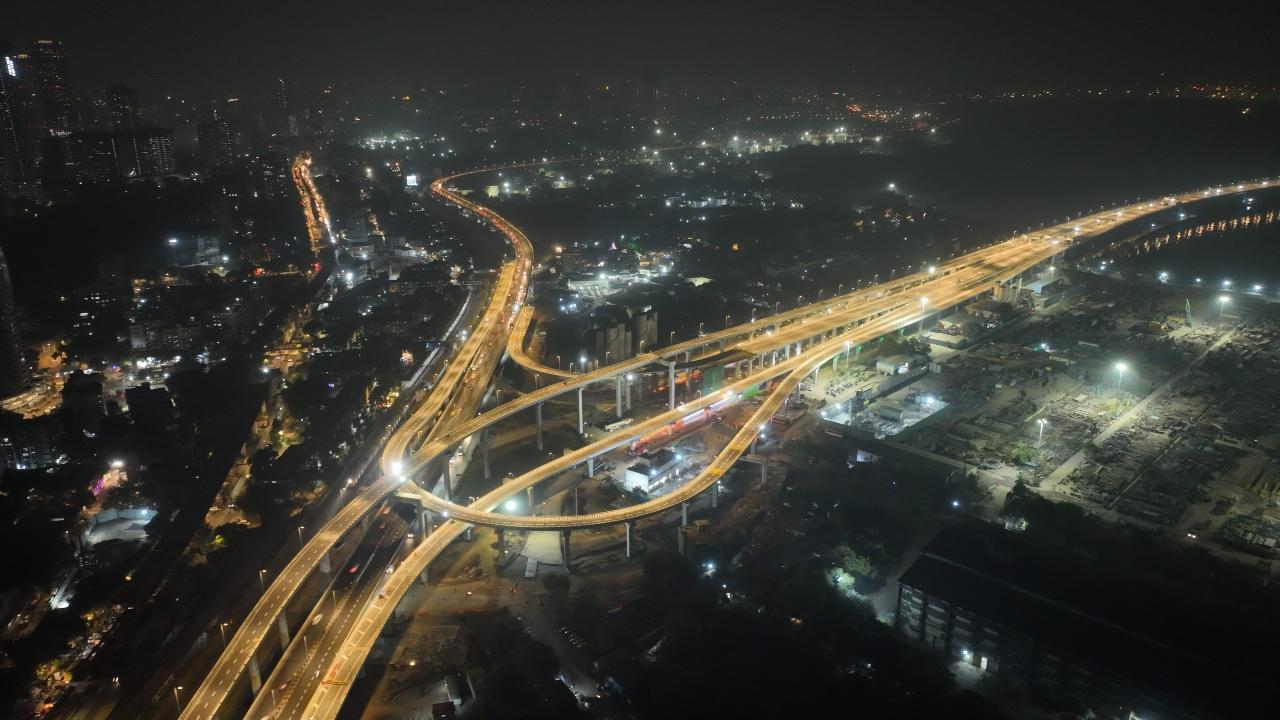
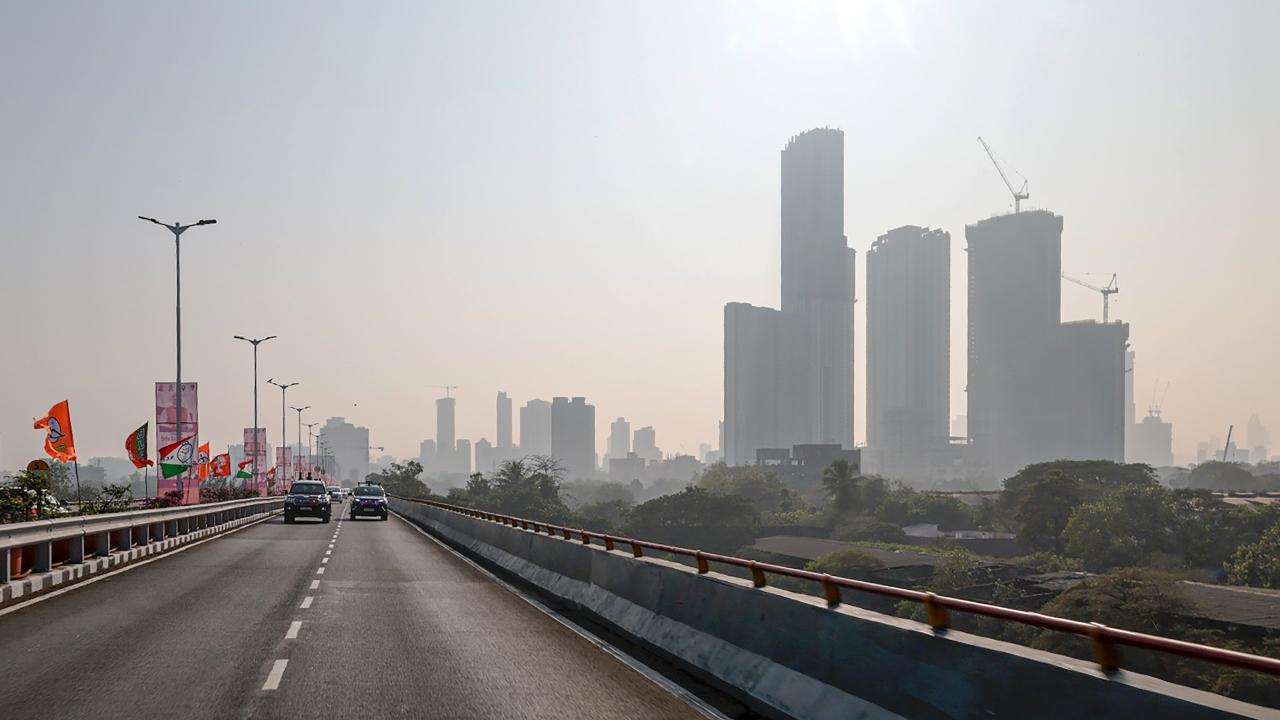
Anticipating a significant volume of traffic, the Mumbai Trans Harbour Link is projected to accommodate around 70,000 vehicles daily. However, specific limitations are imposed to ensure safety and efficiency. Four-wheelers on the Mumbai Trans Harbour Link have a maximum speed limit of 100 kilometers per hour, while motorbikes, autorickshaws, and tractors are prohibited from using the sea bridge.
ADVERTISEMENT
5/7
Further guidelines include specific speed limits for different vehicle types, such as cars, taxis, light motor vehicles, minibuses, and two-axle buses. While these vehicles can travel at 100 kilometers per hour, the speed limit is reduced to 40 kilometers per hour on the bridge's ascent and descent. The Mumbai Police has justified these speed restrictions as preventive measures to avoid danger, obstructions, and inconvenience to the public.
6/7
In terms of access, multi-axle heavy vehicles, trucks, and buses heading towards Mumbai are directed to use the Mumbai Port-Sewri Exit (Exit 1C) instead of the Eastern Freeway. Following this route, these vehicles will navigate through the MBPT Road near 'Gadi Adda' for further movement
ADVERTISEMENT
7/7
The completion of the Mumbai Trans Harbour Link (Atal Bihari Vajpayee Sewari-Nhava Sheva Atal Setu) is poised to revolutionize connectivity between Mumbai and Navi Mumbai, significantly reducing travel time, enhancing accessibility, and contributing to the region's overall infrastructure development.
ADVERTISEMENT
Photo of Day

Nature turns the tide pink
Thousands of flamingos wade through the shallow waters of the Talawe wetlands behind Nerul’s NRI Complex in Navi Mumbai. PIC/SHADAB KHAN
ADVERTISEMENT