






Home / Mumbai / Mumbai News / Photos /
In Photos: Maharashtra CM Eknath Shinde hoists national flag at Mantralaya
Updated On: 15 August, 2024 12:10 PM IST | ronak mastakar
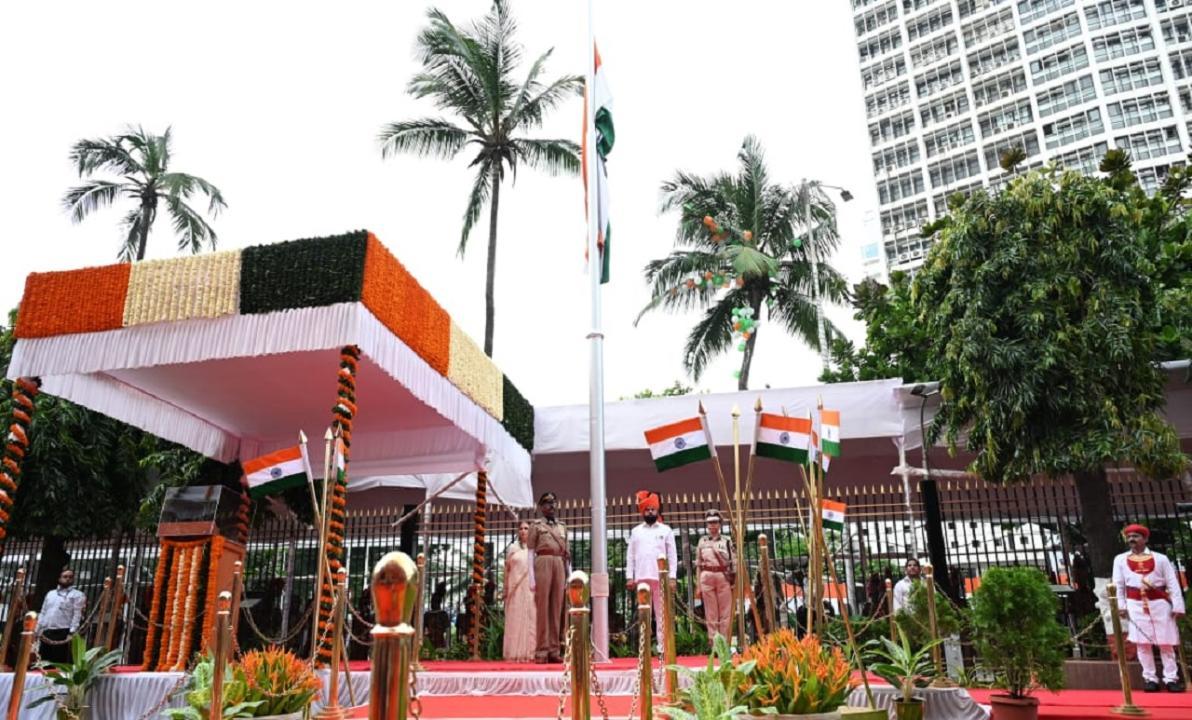
On the occasion of the 78th Independence Day, Maharashtra Chief Minister Eknath Shinde on Thursday (August 15) hoisted the national flag at Mantralaya in Mumbai (Pics/Sameer Abedi)

1/10
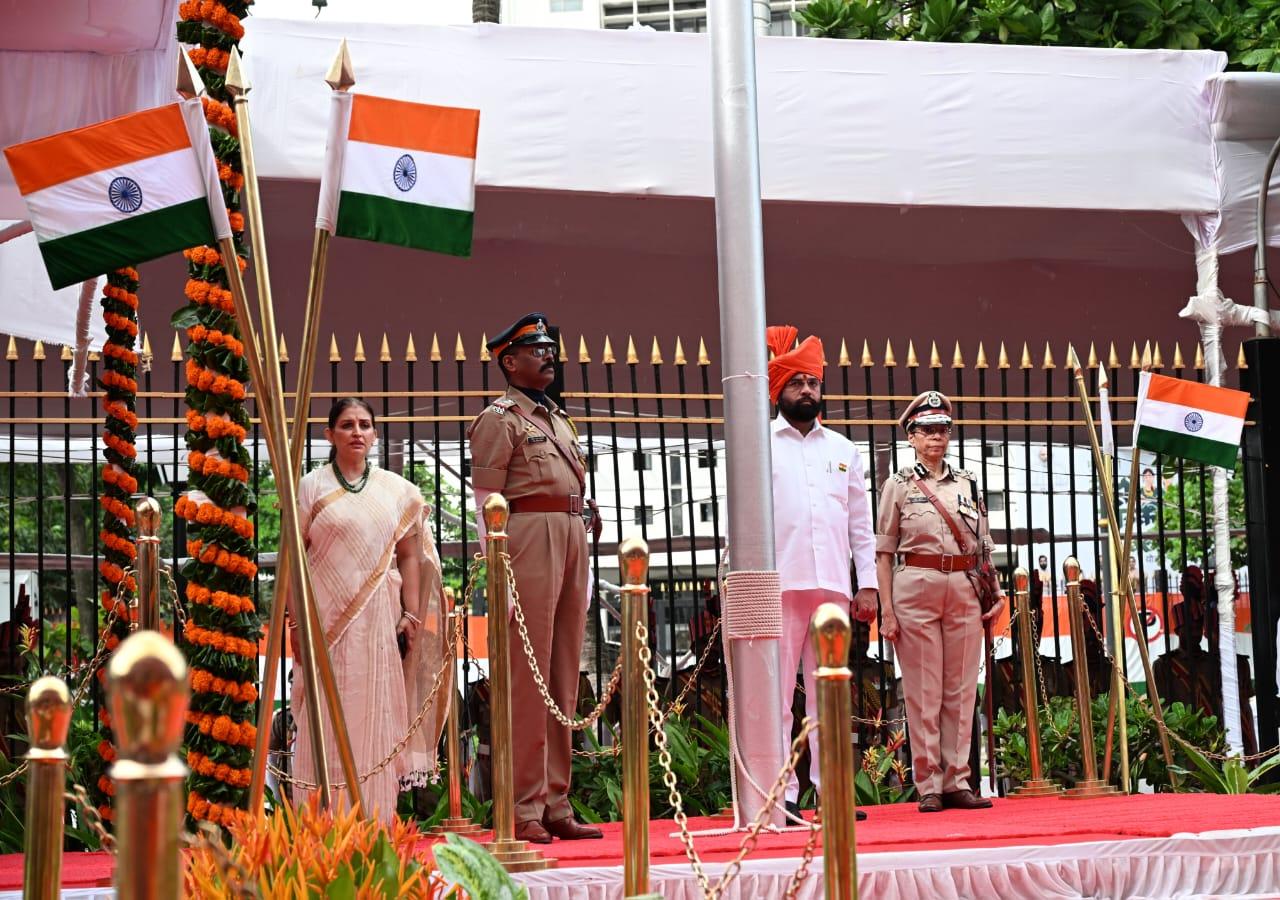
On the occasion of the 78th Independence Day, Maharashtra Chief Minister Eknath Shinde on Thursday (August 15) hoisted the national flag at Mantralaya in Mumbai (Pics/Sameer Abedi)
2/10
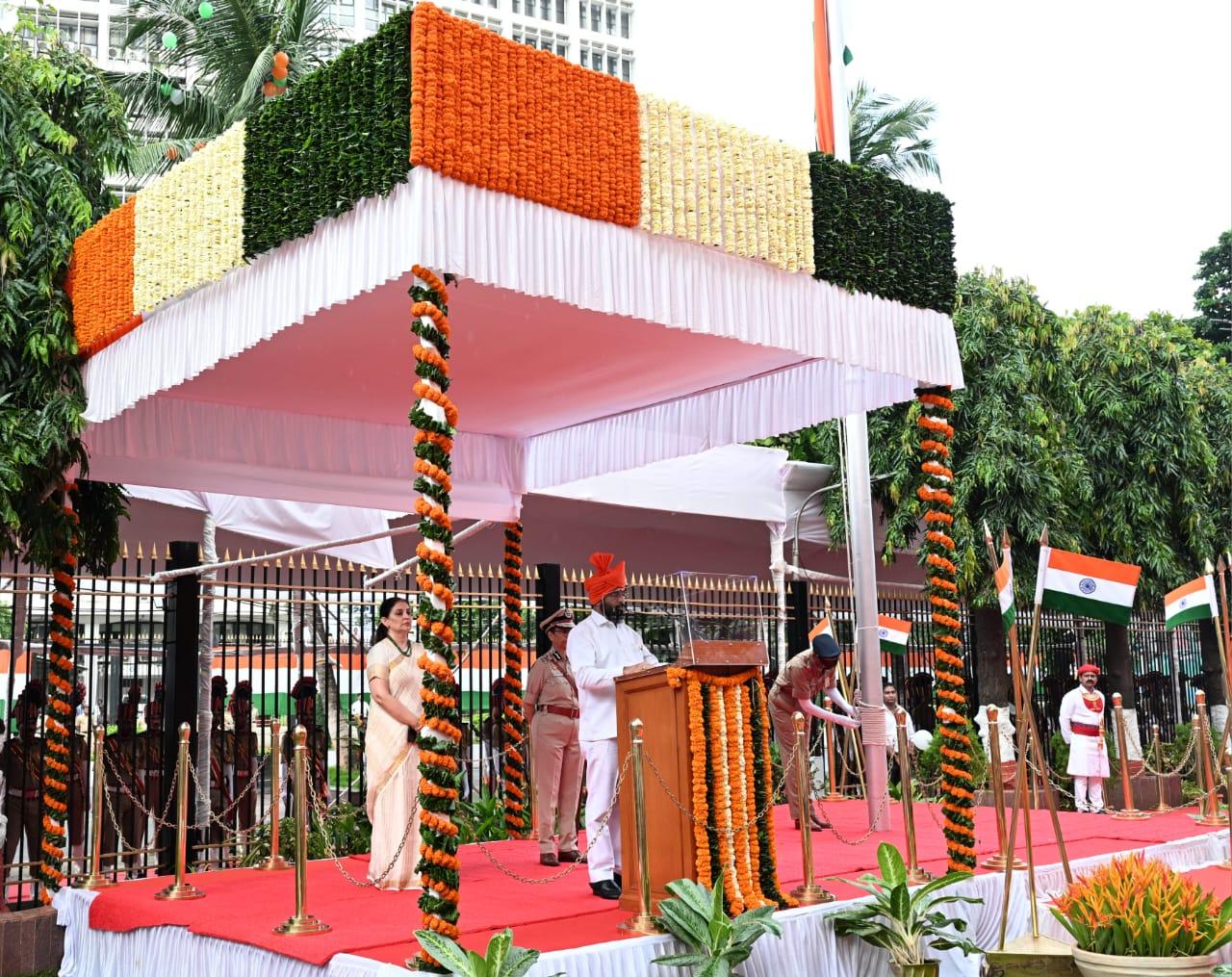
Speaking to the media, the Maharashtra CM extended tributes to the martyrs of the freedom struggle
ADVERTISEMENT
3/10
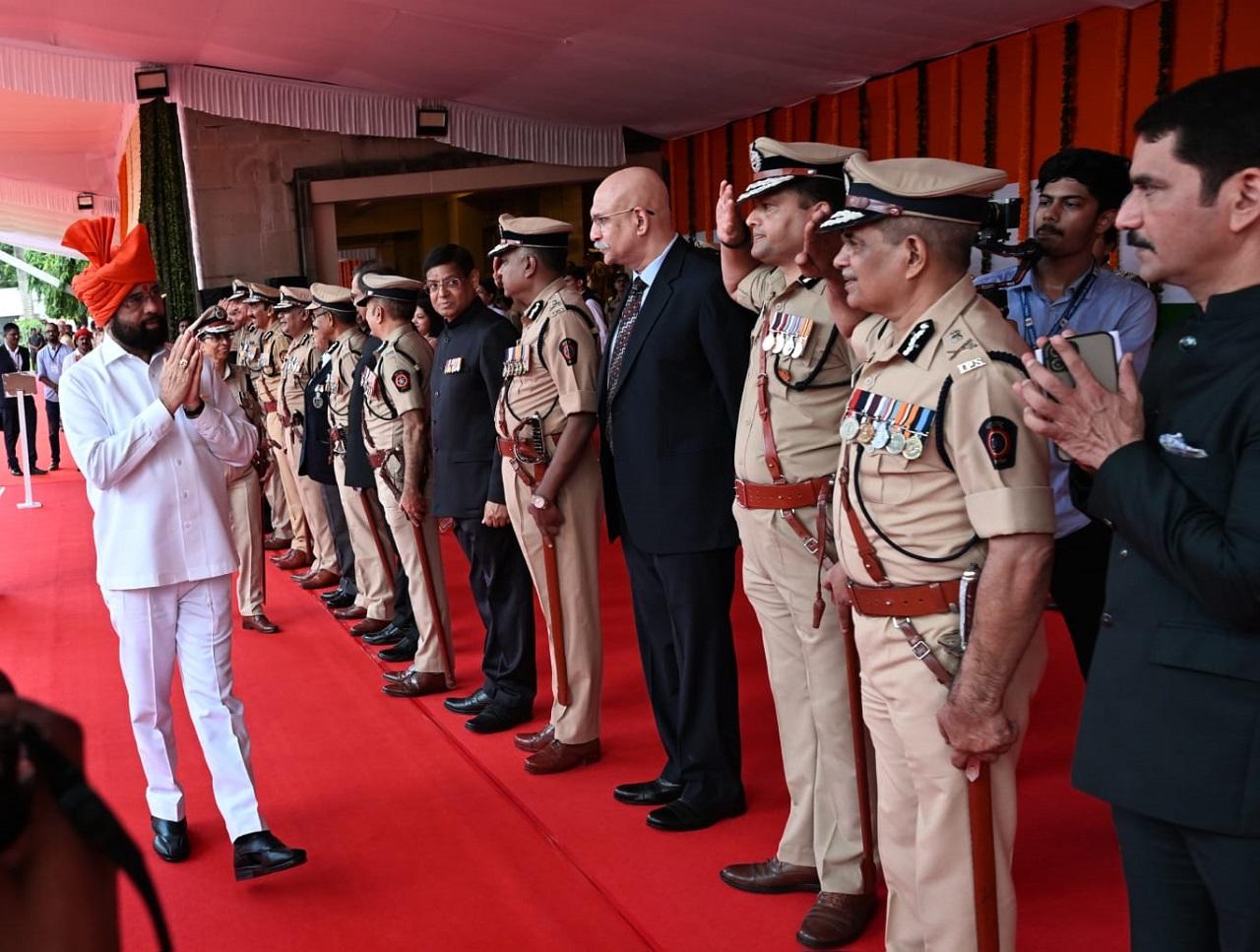
"I extend my good wishes to all the citizens of the country on this day. Freedom fighters sacrificed their lives for the freedom of the country... I salute them," said Maharashtra CM Eknath Shinde
4/10
India celebrates its 78th Independence Day today with the spirit of patriotism
ADVERTISEMENT
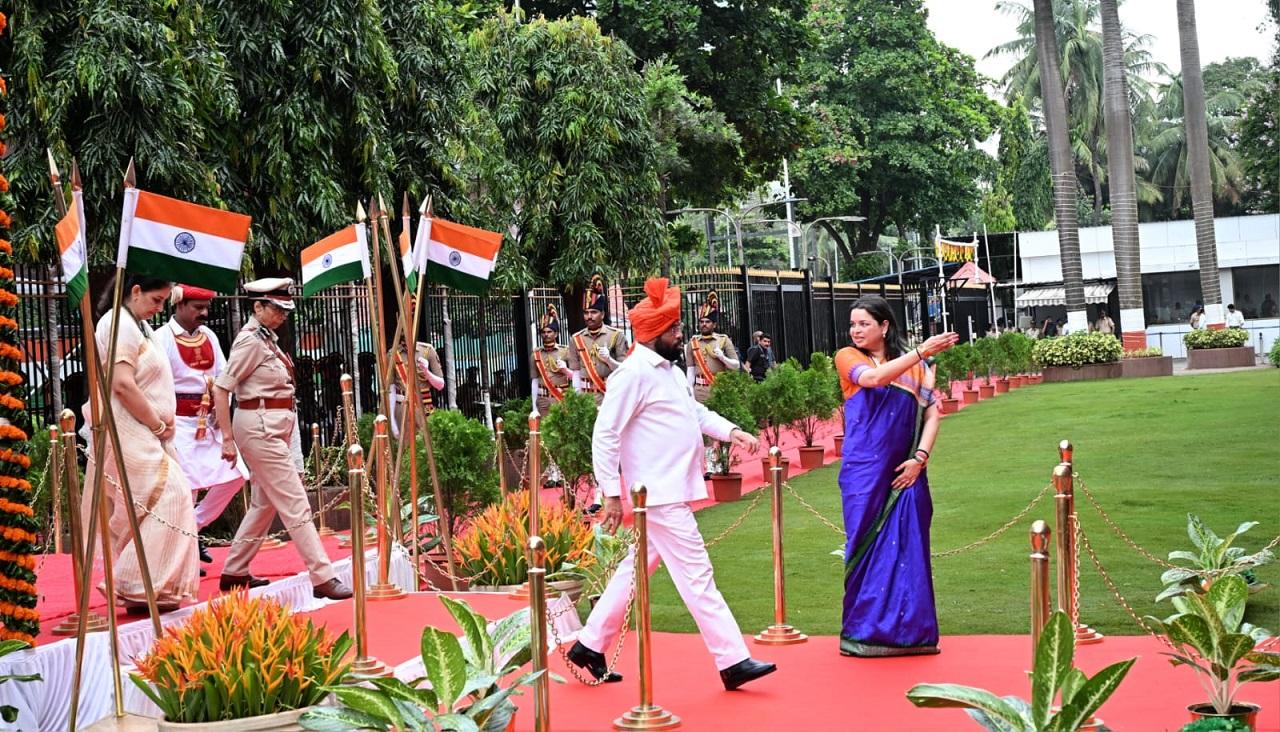
5/10
The Indian flag holds magnanimous significance, for it represents the diversity the country holds
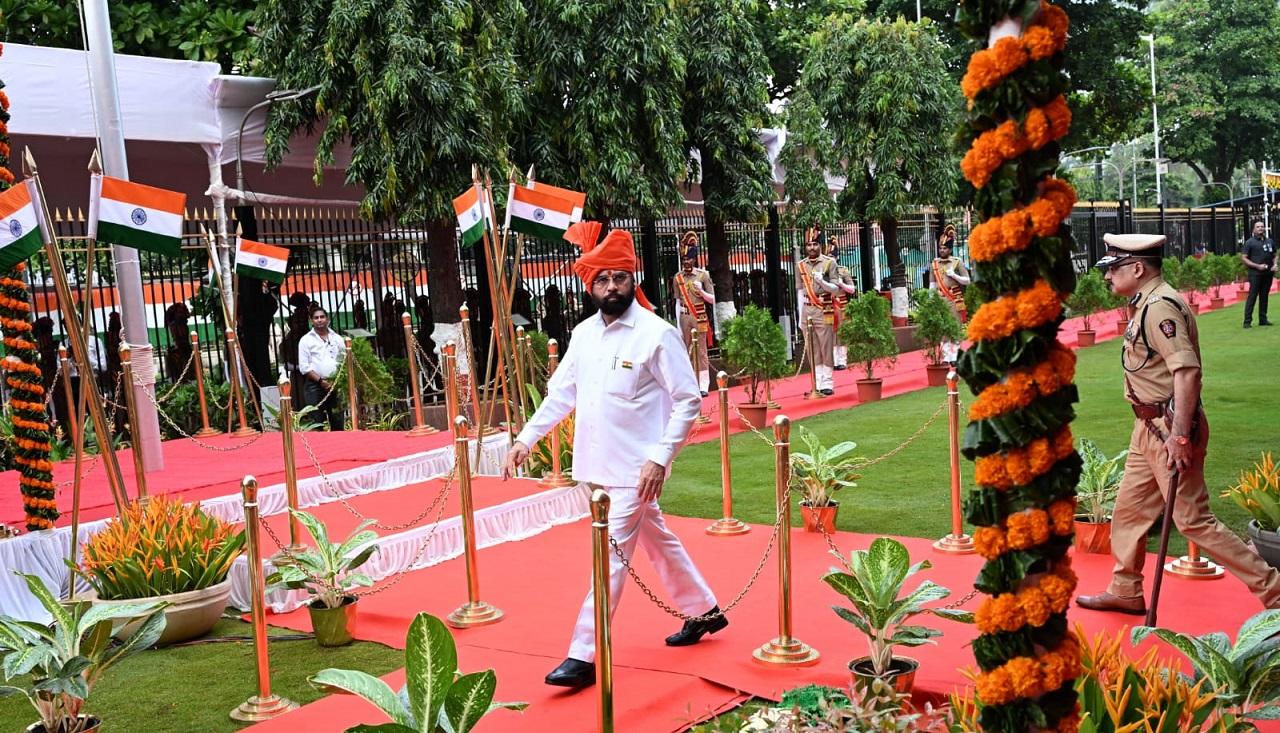
6/10
The flag, in its present form, was adopted during a meeting of the Constituent Assembly on July 22, 1947, just twenty days before India`s independence
ADVERTISEMENT
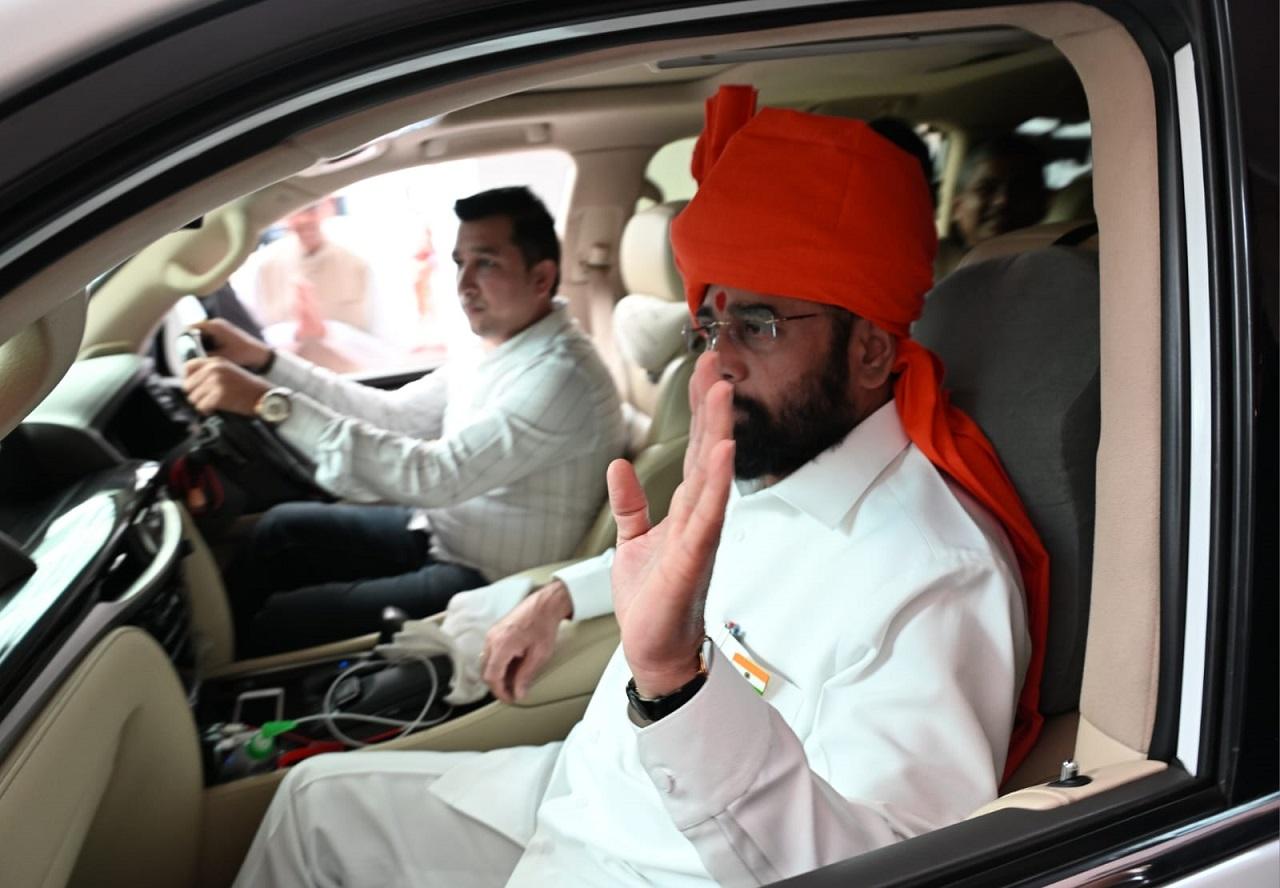
7/10
On August 15, 1947, it became the official flag of the country. The spinning wheel was replaced by the Dharma Chakra of Emperor Ashoka, symbolising truth and life. This came to be called the Tiranga
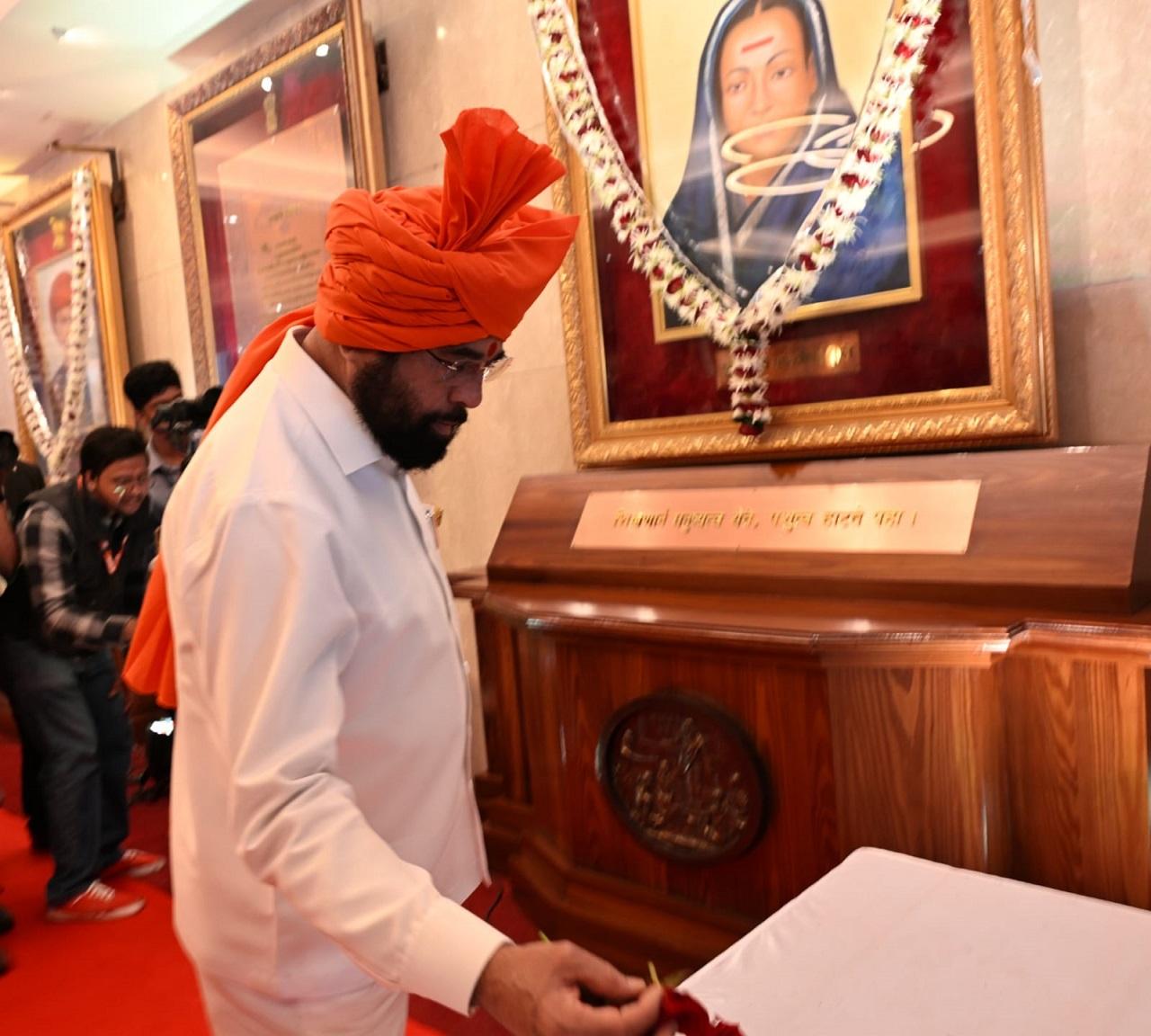
8/10
The three colours--saffron, white, and green--have no communal meaning. The three colours are spread in equal ratios. As per the flag code of India, the flag has a width: height aspect ratio of 3:2
ADVERTISEMENT
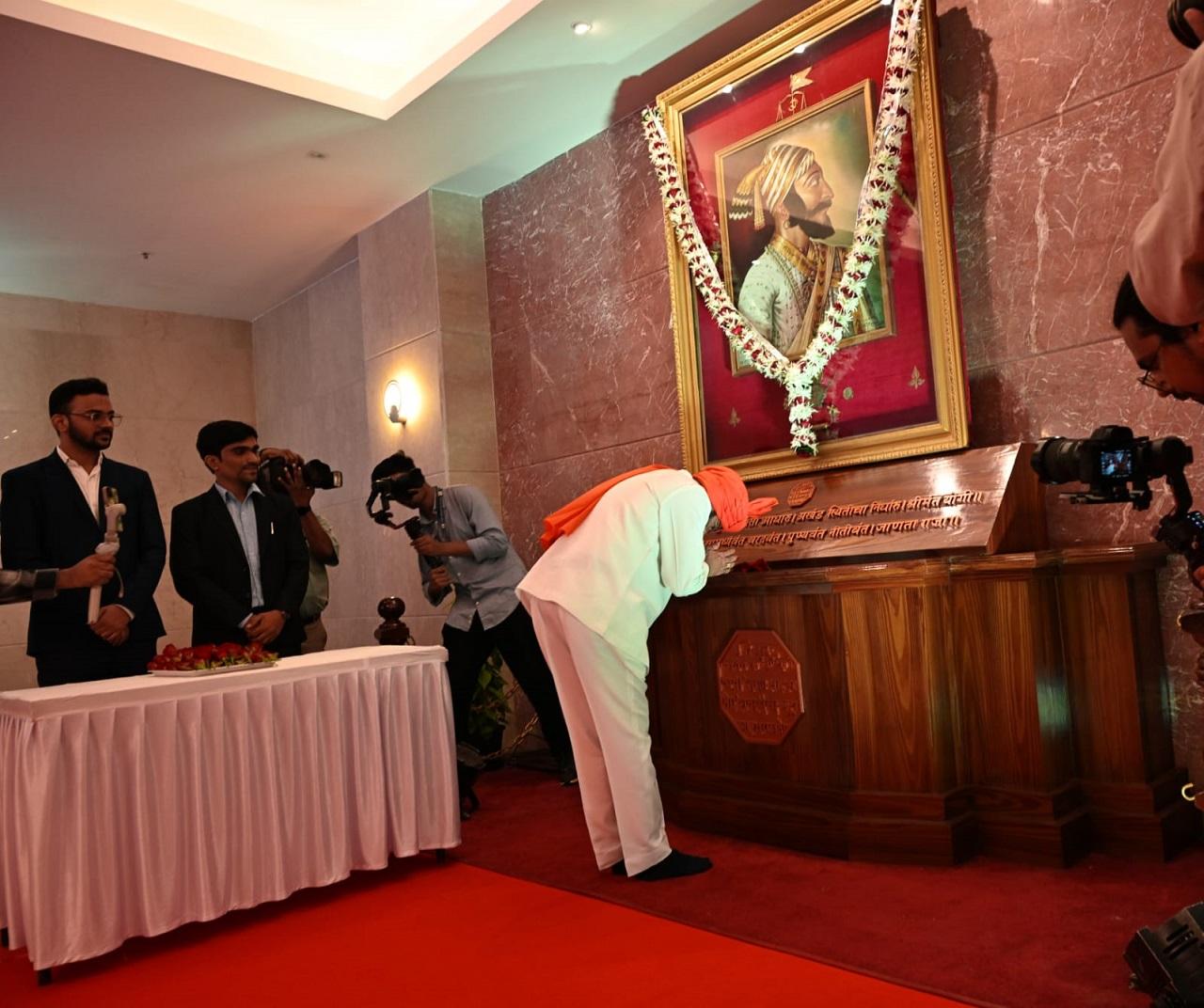
9/10
At the centre of the white band is a navy-blue wheel, which represents the Ashok Chakra, a depiction of the Dharma Chakra. Ashoka Chakra has 24 spokes, representing continuous progress
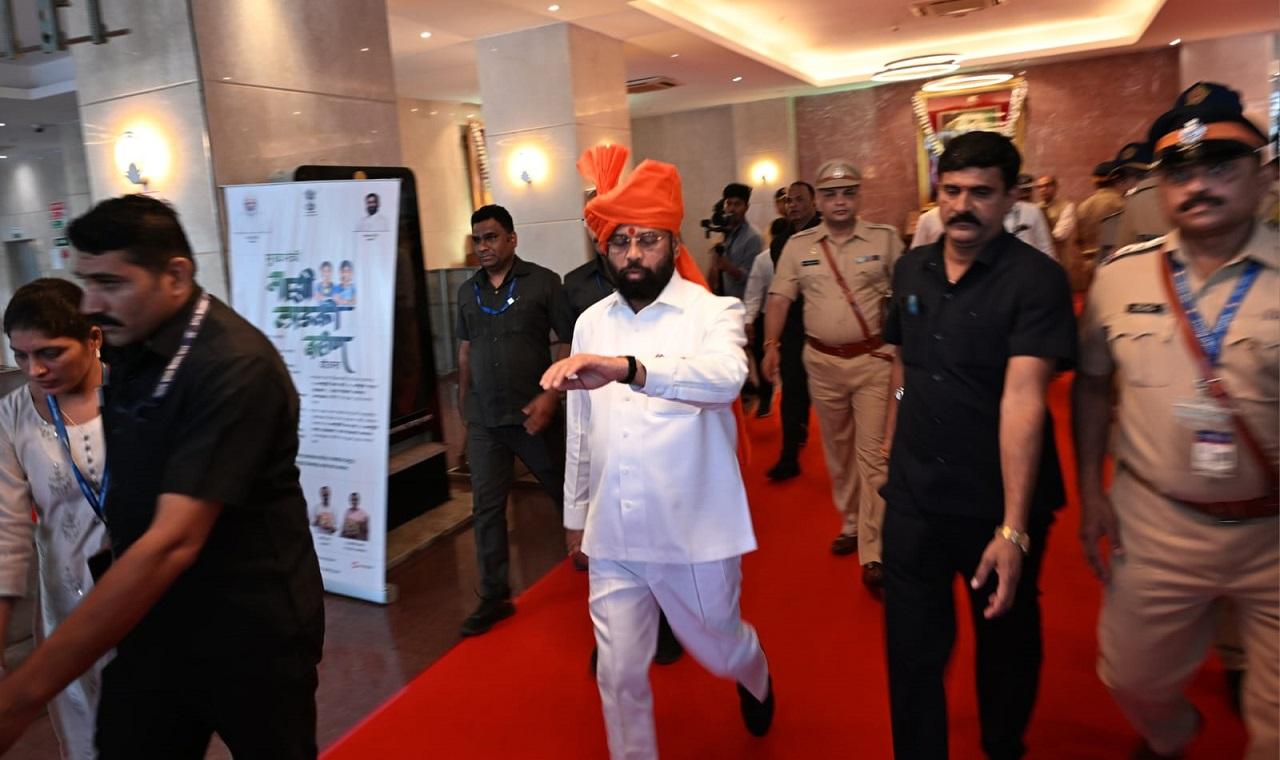
10/10
The saffron colour of the national flag represents the strength and courage of the country. The white in the middle is a symbol of peace, while the green colour symbolises fertility, prosperity, and the auspiciousness of the land
ADVERTISEMENT
ADVERTISEMENT
Photo of Day
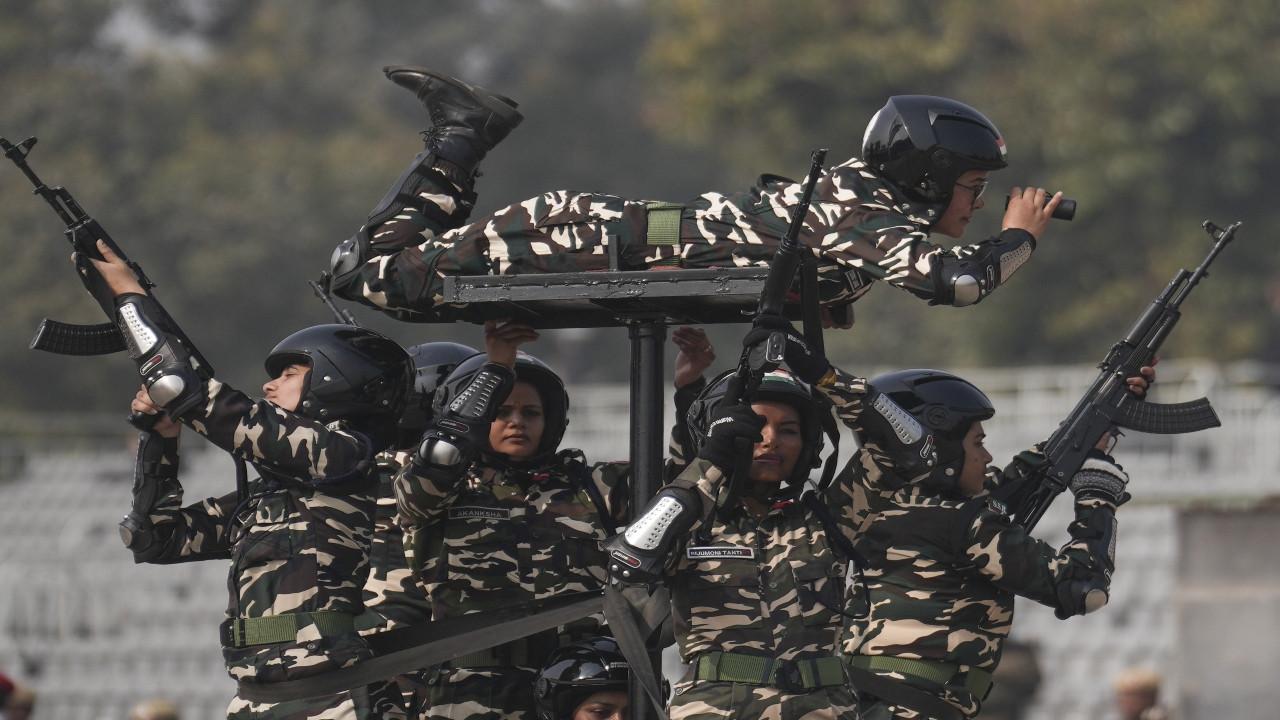
Breaking barriers and building pyramids — Women power in action!
Sashastra Seema Bal’s (SSB) Daredevils team performs during rehearsals for the Republic Day Parade, in New Delhi. PIC/PTI
ADVERTISEMENT
