Home / Mumbai / Mumbai News / Photos /
IN PHOTOS: Reflections on Mumbai's 26/11 terror attacks
Updated On: 25 November, 2023 05:17 PM IST | Sanjana Deshpande
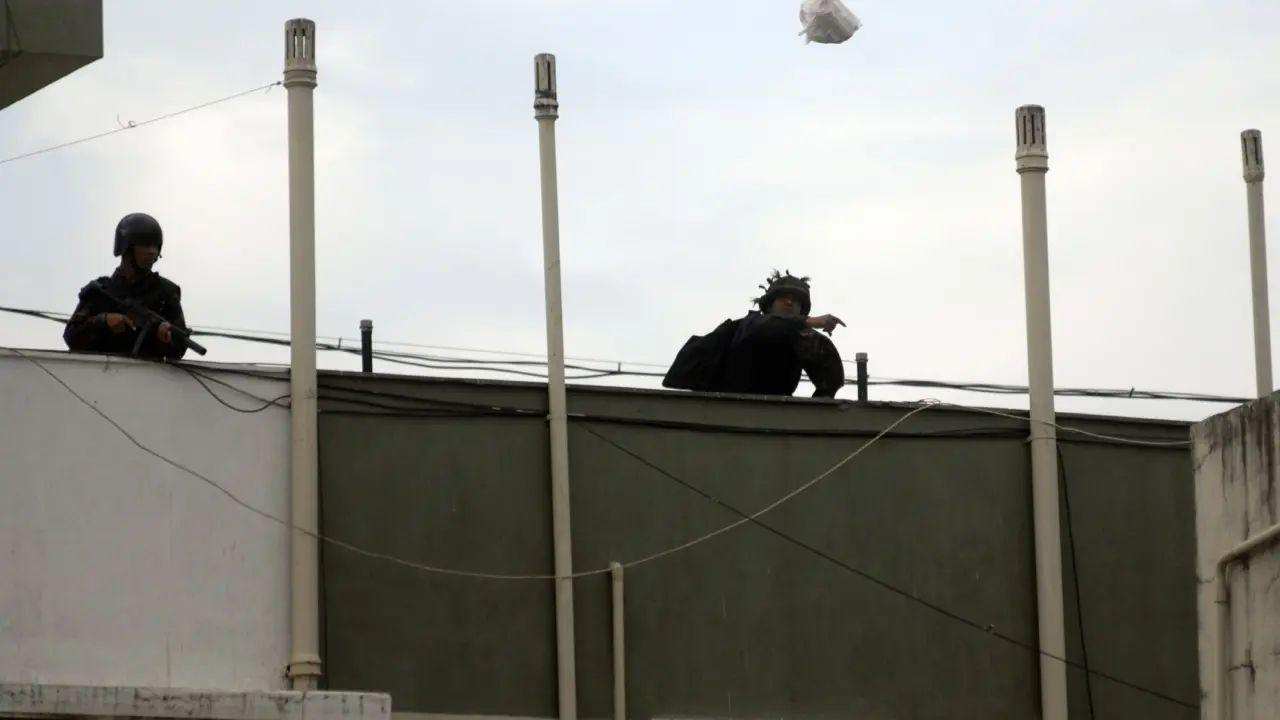
The social fabric of Mumbai was significantly impacted by the events of 26/11. In opposition to the atrocities of terrorism, the city united its population by standing in solidarity. Pics/AFP



1/8
2/8
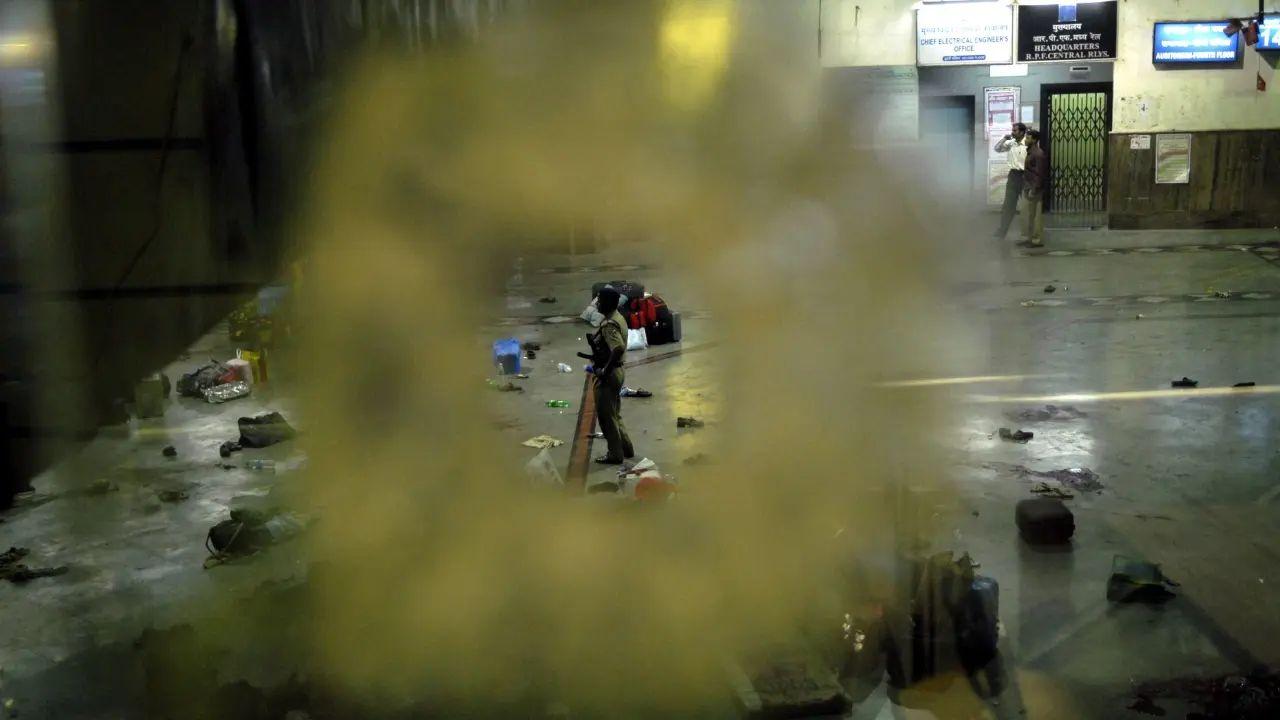
Post-attacks, Mumbai significantly upgraded its security systems. This led to heightened surveillance, improved training for law enforcement, and strategic measures to fortify vulnerable areas.
ADVERTISEMENT

3/8
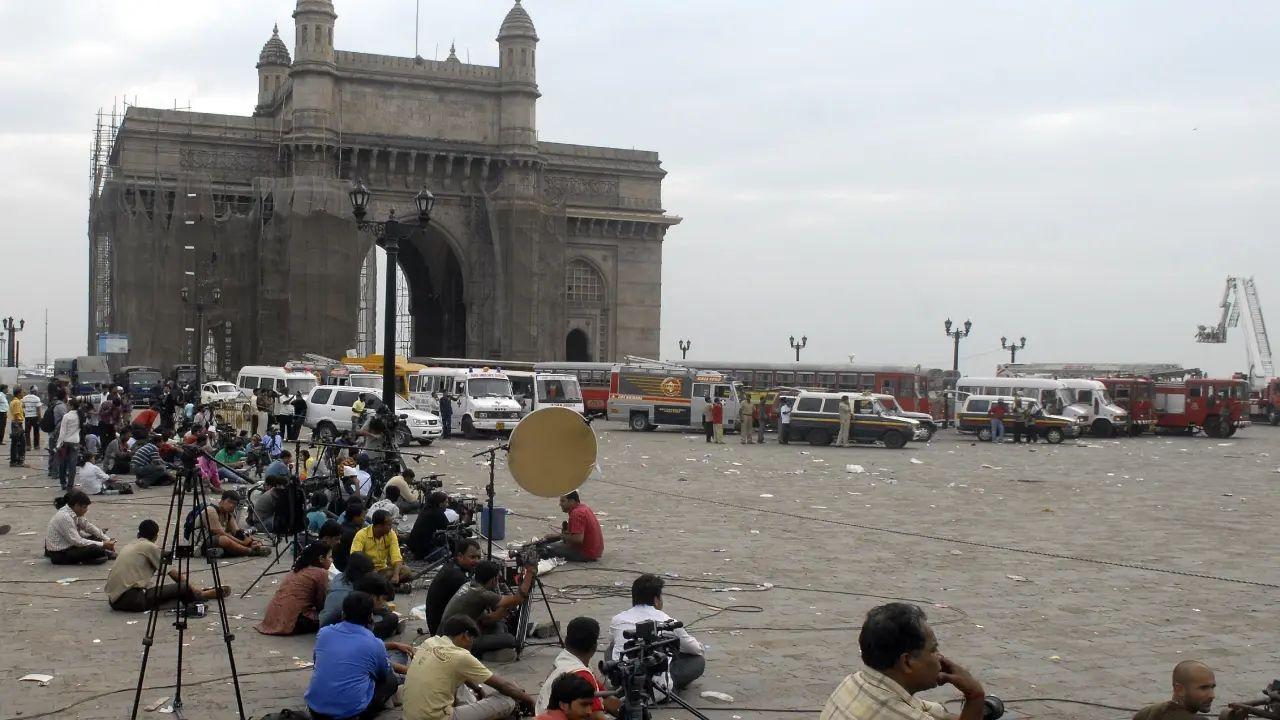
The attacks caused substantial economic setbacks. The city's tourism, hospitality, and small-scale businesses suffered, impacting livelihoods and the local economy.
4/8
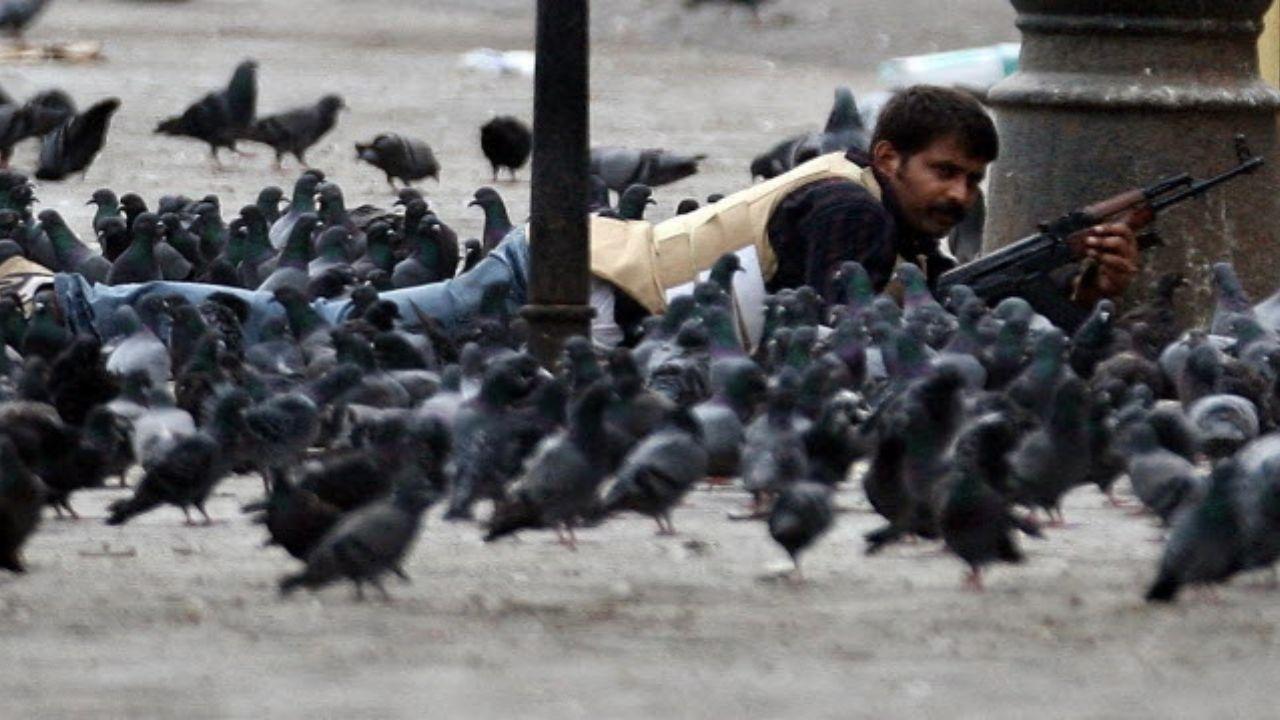
Survivors and witnesses of the attacks endured psychological distress. Mental health support systems were crucial in aiding the affected individuals to overcome trauma and cope with the harrowing memories.
ADVERTISEMENT
5/8
The attacks elicited global condemnation. They brought forth discussions on international counter-terrorism strategies, fostering collaborations among nations to combat terrorism.
6/8
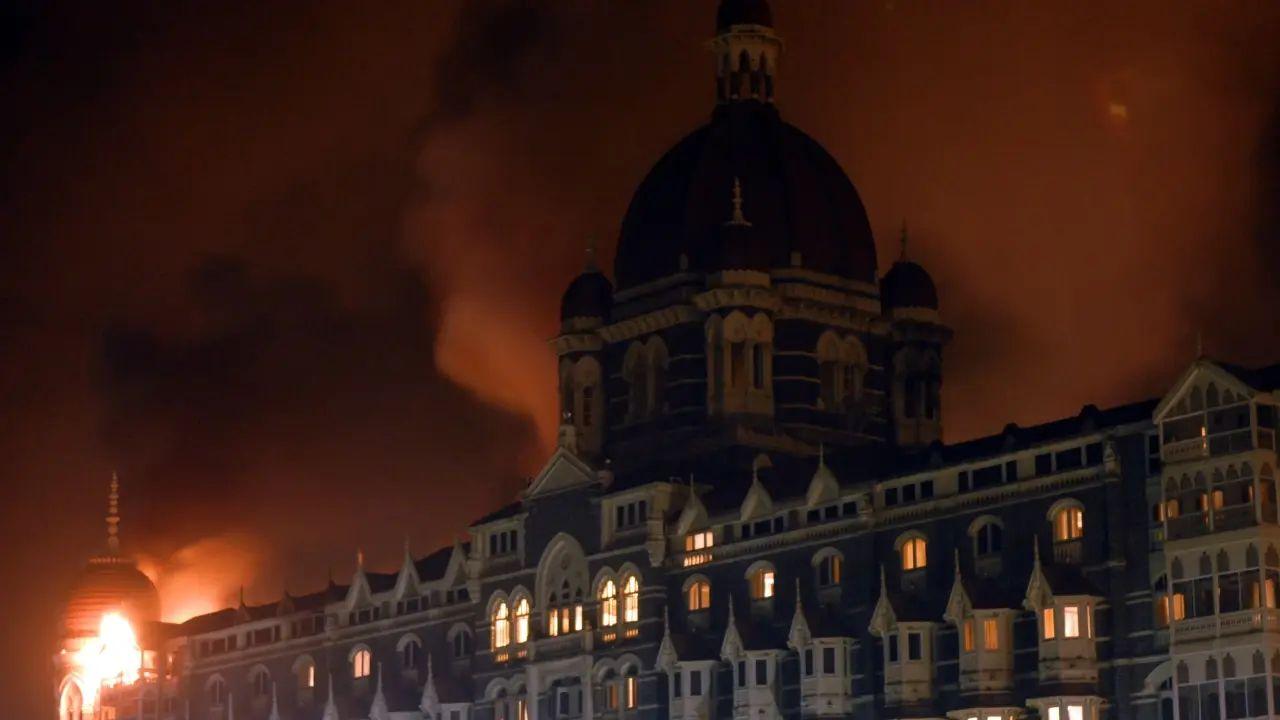
Mumbai attacks served as a lesson in preparedness against terrorism. It underscored the necessity for robust intelligence, swift response mechanisms, and international cooperation in tackling such threats.
ADVERTISEMENT
7/8
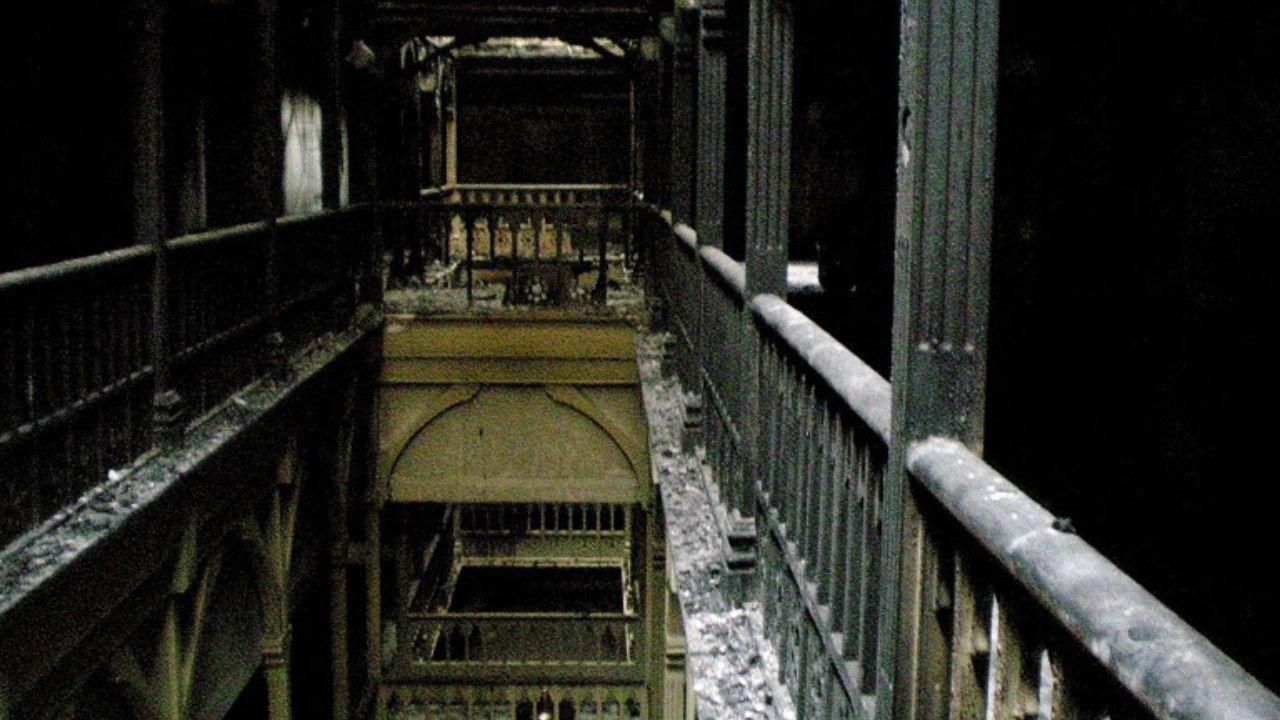
In remembrance, Mumbai built memorials and conducted ceremonies honouring the lives lost. These serve as a poignant reminder of the tragedy and the resilience of the city. The legal process and court trials post-attacks highlighted the importance of justice delivery. It showcased the determination to hold perpetrators accountable and bring closure to the affected families.
8/8
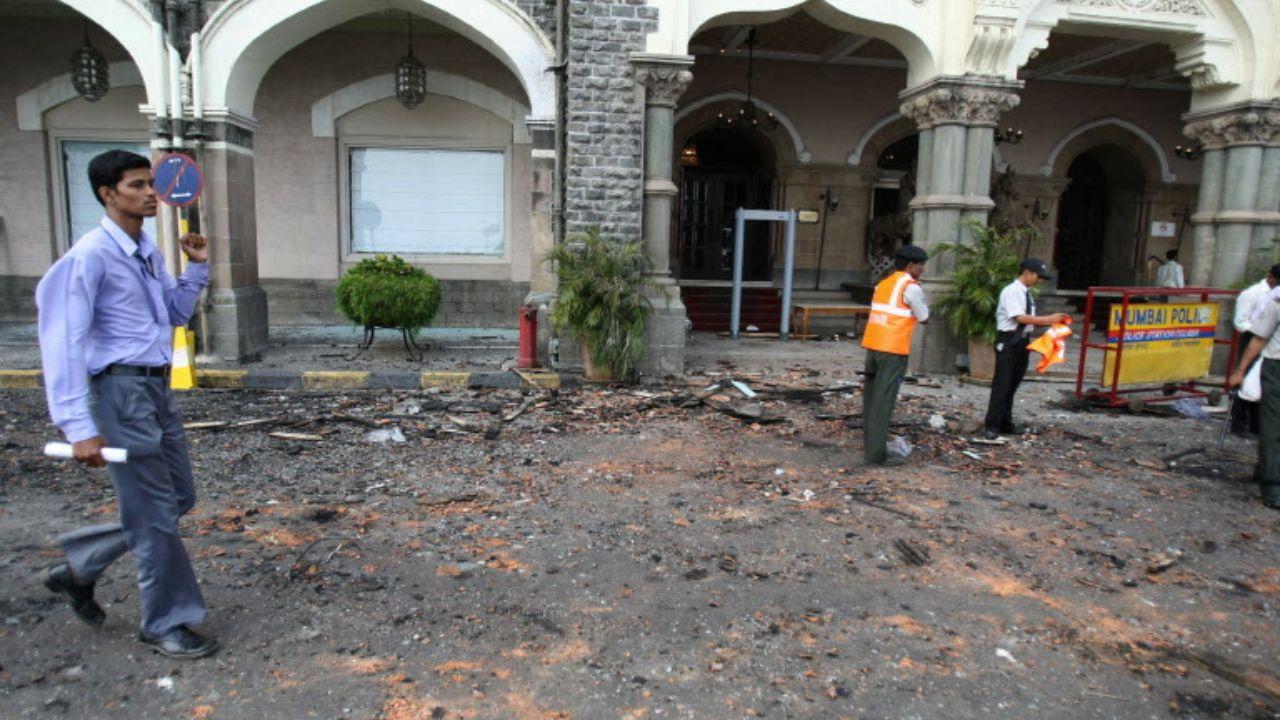
Despite the tragedy, Mumbai demonstrated remarkable resilience. The city moved forward, rebuilding itself while cherishing the memories of the lives lost and committing to safeguard against future threats.
ADVERTISEMENT
ADVERTISEMENT
Photo of Day

Nature turns the tide pink
Thousands of flamingos wade through the shallow waters of the Talawe wetlands behind Nerul’s NRI Complex in Navi Mumbai. PIC/SHADAB KHAN
ADVERTISEMENT