







Home / News / India News / Article /
State elections in 2019: When regional parties defeated BJP
Updated On: 24 December, 2019 05:49 PM IST | Mumbai | mid-day online correspondent
The elections in Andhra Pradesh, Maharashtra and Jharkhand resulted in BJP's defeat and regional parties and local leaders emerging victorious.

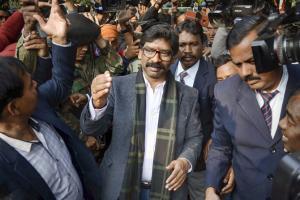
Jharkhand Mukti Morcha (JMM) working President Hemant Soren arrives for a party MLAs meeting in Ranchi, Jharkhand. Picture/ PTI
2019 was a year of dramatic election results. And results saw many regional parties forming government in the states. The elections in Andhra Pradesh, Maharashtra and Jharkhand resulted in BJP’s defeat and regional parties and local leaders emerging victorious. The year saw the rise of leaders such as Jagan Mohan Reddy, Uddhav Thackeray, and Hemant Soren, who are the current chief ministers of the states. Here’s how the rise of the leaders happened.
Andhra Pradesh
The election in Andhra Pradesh was held on April 11 in which the main contenders where Jagan Mohan Reddy of YSR Congress, N Chandrababu Naidu of the Telugu Desam Party (TDP) and actor-turned-politician Pawan Kalyan of Jana Seva Party (JSP). Naidu’s TDP had broken its alliance with BJP and JSP, the alliance that had given the party majority in the 2014 elections. The alliance had then acquired 103 out of 175 seats in the previous election. In this year’s election, the YSR Congress, led by former chief minister YS Rajasekara Reddy’s son Jagan Mohan won 151 out of 175 seats that made them the single largest party. Naidu’s TDP won 23 seats and the JSP got merely 1 seat. BJP, led by Kanna Lakshminarayana could not win any seat. Jagan Mohan was invited by the state governor ESL Narasimhan to form the government.
Trending Stories
Latest Photos
Latest Videos
Latest Web Stories
ADVERTISEMENT
Mid-Day Fast
ADVERTISEMENT

ADVERTISEMENT