






Home / News / India News / Article /
A broken promise: India's juvenile justice system in crisis
Updated On: 24 November, 2025 06:19 PM IST | Mumbai | Vinod Kumar Menon
The India Justice Report 2023 reveals that over 50,000 children remain stuck in pending juvenile cases, with systemic failures ranging from understaffed Boards and child care institutions to the absence of a reliable national data system. Experts urge urgent reforms to protect vulnerable children

Listen to this article :
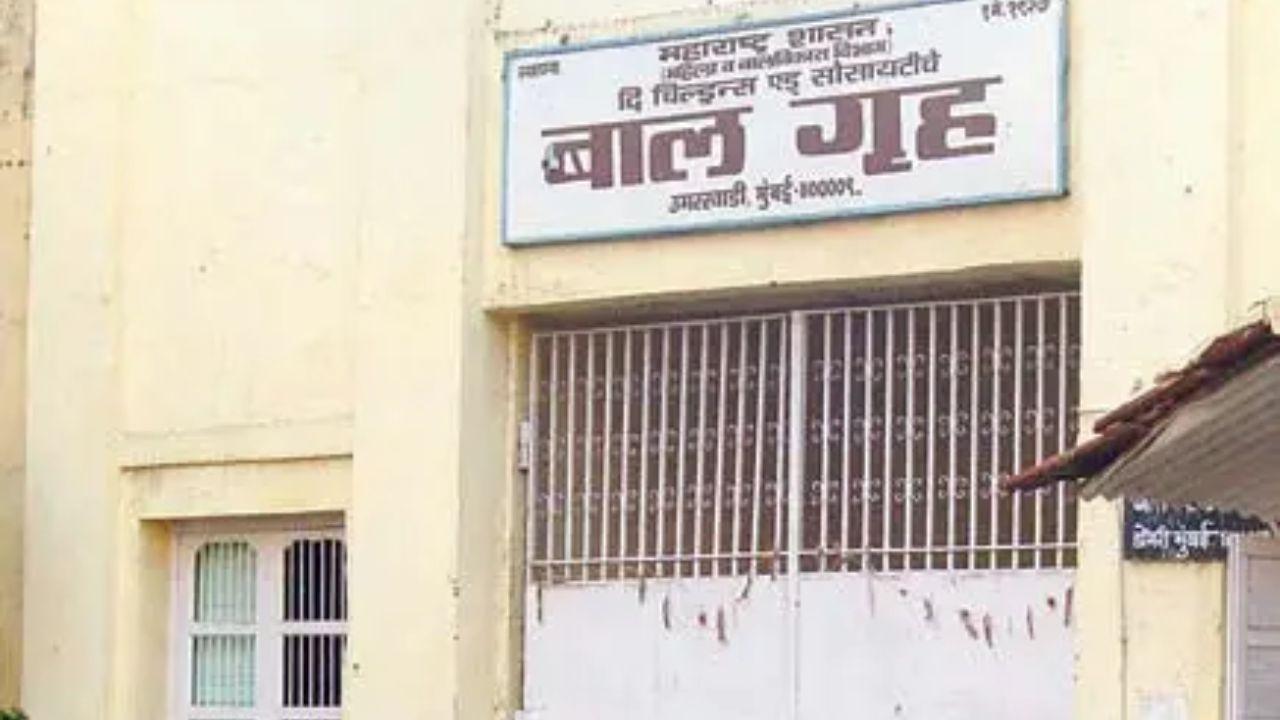
Dongri children home. File pic
The latest findings from the India Justice Report (IJR) reveal a shocking truth about India’s juvenile justice system: More than 50,000 children in conflict with the law are still awaiting justice, as of October 31, 2023. With 55 per cent of cases pending before 362 Juvenile Justice Boards (JJBs) across the country, the gap between policy and practice has never been starker. For children caught in the system, this delay represents not just bureaucratic inefficiency, but a failure of justice itself.
The Juvenile Justice (Care and Protection) Act (JJ Act), designed to safeguard the rights of children in conflict with the law, was hailed as a progressive step forward when it was enacted a decade ago. However, the IJR’s report paints a bleak picture of systemic failure, highlighting critical gaps in infrastructure, staffing, and data transparency that have left vulnerable children in limbo. What went wrong? And more importantly, what can be done to fix it?
Trending Stories
Latest Photos
Latest Videos
Latest Web Stories
ADVERTISEMENT
Mid-Day Fast
ADVERTISEMENT

ADVERTISEMENT