






Home / News / India News / Article /
Arun Jaitley: A political journey
Updated On: 24 August, 2019 11:13 PM IST | New Delhi | IANS
A trait that set Arun Jaitley apart from the political class in Lutyens' Delhi was his lack of inhibitions in cultivating friendships that often cut across party lines and did not have the usual quid pro quo nature to it

Listen to this article :
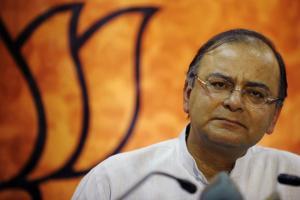
Arun Jaitley in a file photo from AFP
New Delhi: By the time Indira Gandhi declared the Emergency on June 26, 1975, Arun Jaitley had already proved himself to be a deft student leader in Delhi University (DU) after leading ABVP to victory and becoming the President of the student union a year ago. At a time when Congress had a stronghold over politics at every level including the university, his stature was particularly significant in student politics in India. So, it was unsurprising that he had delved into the thick of the protests against the suspension of civil liberties by Gandhi.
On the morning the Emergency was imposed, he organised what he called "the only protest against the Emergency which took place that day in the whole country." Over 200 people gathered and Jaitley was arrested. He remained imprisoned for 19 months. Inside Tihar Jail, Jaitley was in charge of the kitchen where he found convicts who made parathas for breakfast and convinced a warden to allow the meat to be made for dinner. While reflecting on those days, he later said that "we all left prison looking rather a plumper." Such was the charm that Jaitley carried since his younger days, which swayed even his adversaries in his favour.
Read Next Story
Trending Stories
Latest Photos
Latest Videos
Latest Web Stories
ADVERTISEMENT
Mid-Day Fast
ADVERTISEMENT

ADVERTISEMENT